How the Smart Forest City near Cancún wants to change the image and the face of Mexico
RIO DE JANEIRO, BRAZIL – Italian Design and German precision technology, a match made in heaven, merge in the futuristic green ‘smart forest city’ for Mexico’s top-rated resort destination of Cancun. In addition to being planted with millions of trees and shrubs to help reduce its carbon footprint, it will also be a hub for climate change innovation.
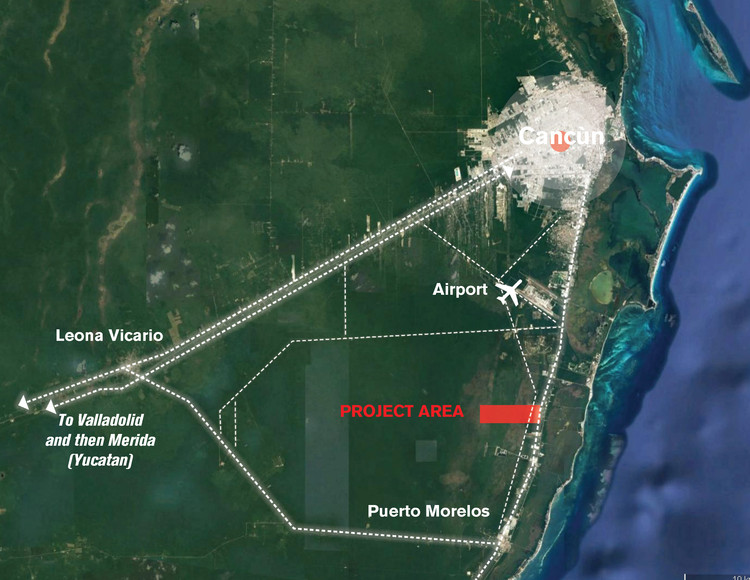
The Cancún Smart Forest City project presents the urban planning of a new Forest City in Mexico, which covers 557 hectares and will be capable of hosting up to 130,000 inhabitants.
Boeri’s firm is designing the city in conjunction with German engineering company Transsolar. It will include elements to create a circular economy, such as solar panels, farmland irrigated using an embedded water system, a desalination system, and water gardens to prevent flooding. Other features will include an internal electric mobility system that will allow residents to leave vehicles on the outskirts.
The metropolitan area will be home to 362 hectares of planted surfaces and 120,000 plants from 350 different species, based on the design concept of an open and international city inspired by the values of technological innovation and environmental quality.
Read also: Check out our coverage on Mexico
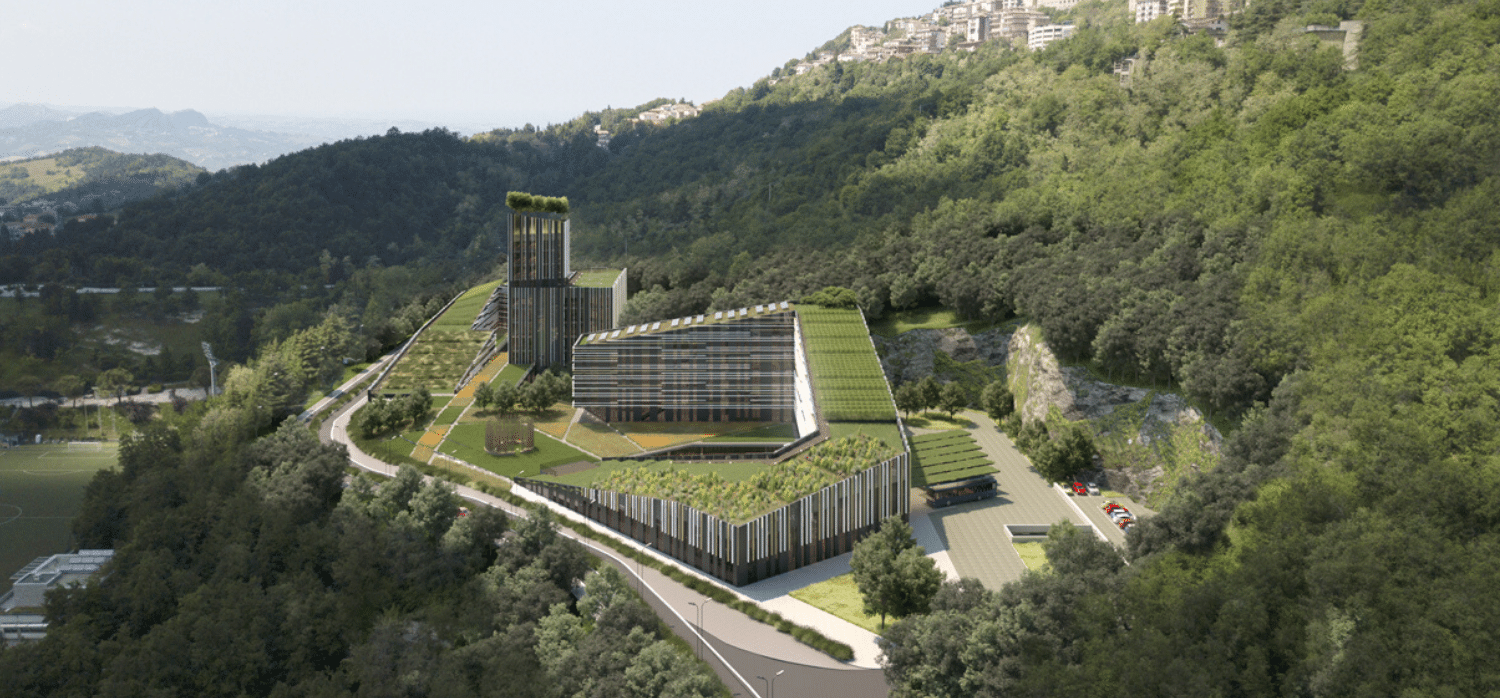
As a matter of fact, thanks to these new large parks, garden roofs, and green façades, the terrain used for greenery and that for construction cover equivalent areas, thereby returning a large portion of territory to vegetation which would otherwise have been dedicated to the construction of a large shopping center.

The design of the new Forest City includes a high-tech innovation campus where university departments, organizations, laboratories, and companies will work on a global level to resolve the major issues of environmental sustainability and the future of the planet.
There will also be research and development centers within this campus, intended to host students and researchers not just from Mexican universities but also from leading top-flight institutions worldwide.
The Smart Forest City has been designed as a self-sufficient settlement in energy production through a perimeter ring of photovoltaic panels and a water channel connected to the sea via an underground system that allows the city to be irrigated sustainably.
This choice encourages the development of a circular economy around the theme of the use of water (one of the project’s key elements), which is collected at the entrance to the city in a large dock and a desalination tower and then subsequently distributed via a system of navigable canals allowing its distribution throughout the inhabited areas and the irrigation of the surrounding agricultural fields.
The new Forest City is also at the cutting edge in terms of mobility thanks to a highly developed transport system requiring residents and visitors to leave every internal-combustion-powered vehicle at the city limits since mobility within the city is solely electric semi-automatic.
The project has been designed according to the principles of Non-Deterministic Urban planning. Once the definition of the large scale variables of the urban framework relating to energy infrastructures have been established along with mobility, greenery, the presence of the most important research and development nuclei, and the right of each inhabitant to have every service available at a suitable walking and/or cycling distance, the city will provide tremendous flexibility in the distribution of the various building and architectural types.
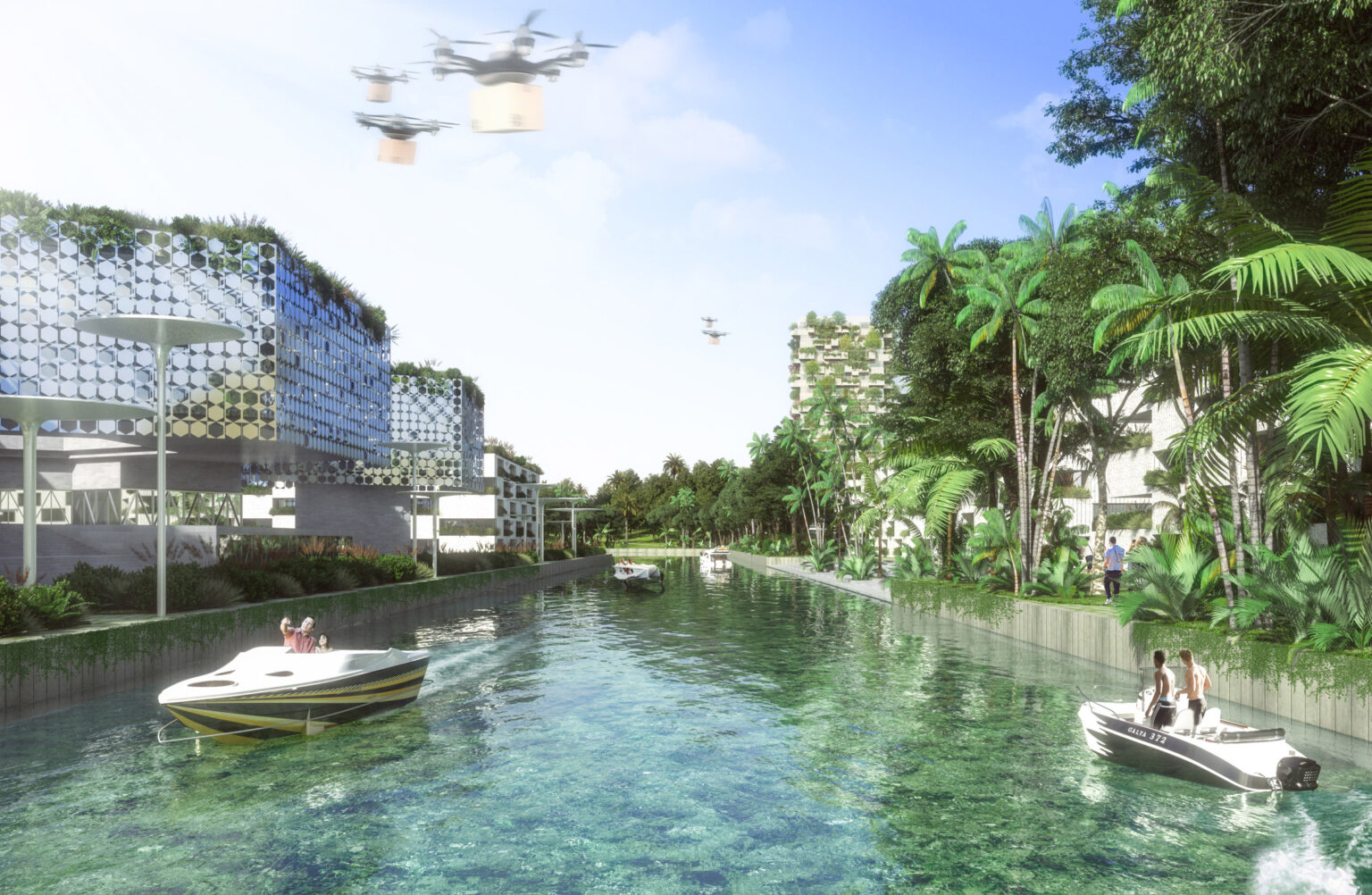
Therefore, Cancun’s Smart Forest City is a botanical garden within a contemporary city, based on traditional local heritage and its relationships with both the natural and the sacred world.
It is an urban ecosystem in which nature and the city intertwine and act as a single organism, leaving room for untended vegetation planted on land used by the public. It is considered a fundamental element of the design.
However, the human need to find solutions that involve a changing perspective on how activities are carried out, from the way we produce to the way we consume, is still dominant. The four Rs that lead to dematerialized and detoxified goods and services can be summarized: reduction, repair, reuse, and recycling.
The Smart Forest City addresses these development needs, allowing and encouraging education and economic empowerment – especially women – by developing radically more eco-efficient solutions, lifestyles, and forms of behavior that start with reducing overall demand for energy and a decrease in waste production.
The Cancun Smart Forest City adopts the philosophy espoused by E. Glissant regarding the concept of Mondialité, making it one of its foundation keystones to encourage research and exchange between countries.
Mondialité means not belonging to exclusive homelands or nations but to Places – made up of linguistic interchanges, free divinities, unspecified native lands, languages , and geographies chosen and interwoven between lands and visions – of which the Forest City becomes part, embracing Creolization as a form of driving force for social and economic development, allowing accessibility and intermingling to coexist in the same space.
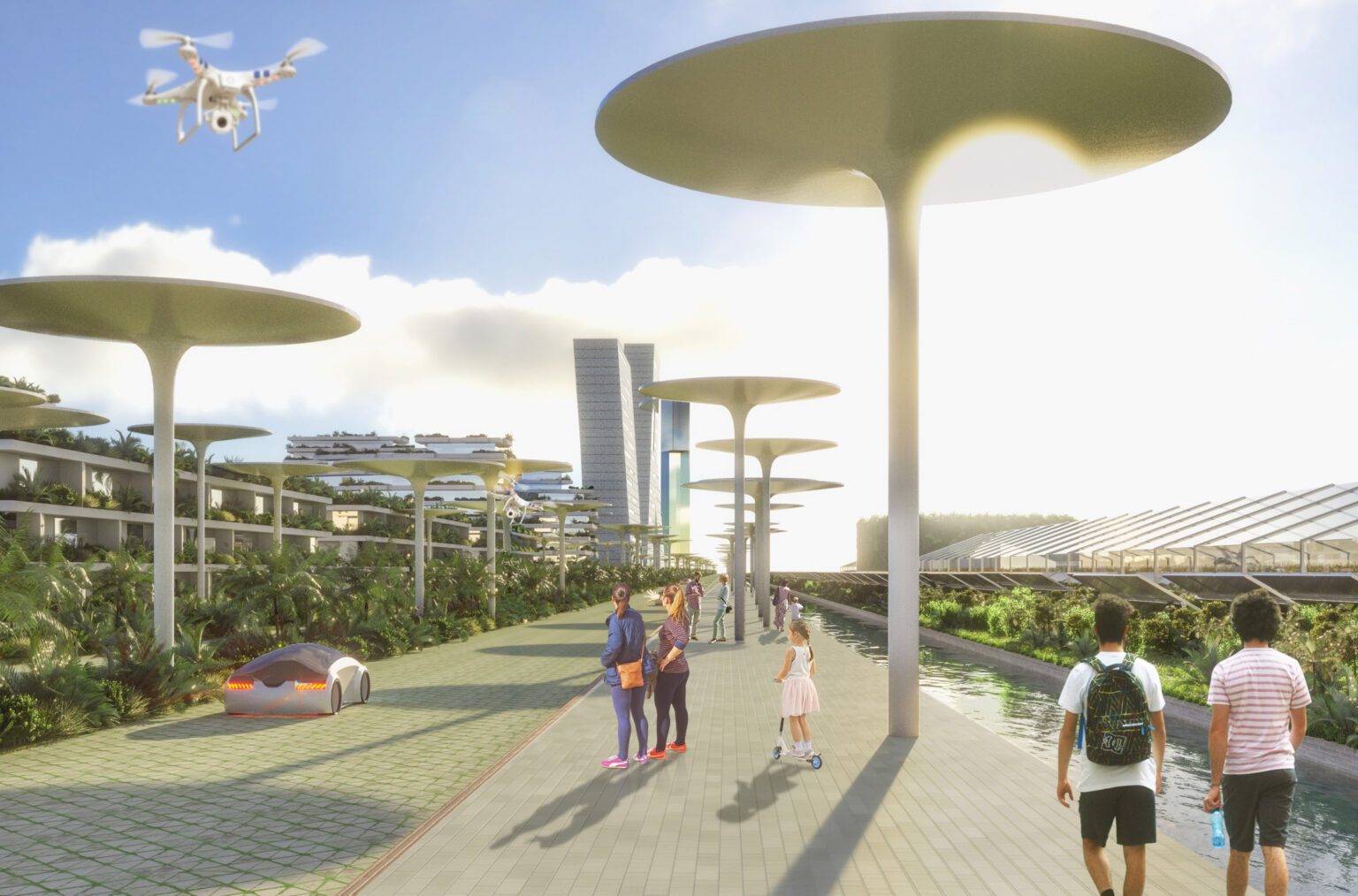
Conceived as a campus, the project will become an important opportunity and a splendid investment to enrich human and research-related capital, planned around several essential characteristics and the framework of urbanization processes. Water treatment plants, food production, winter gardens, innovation paths, navigable canals, mobility hubs, desalination, and capillary systems for public and private gardens are interlinked as elements of innovation and tradition.
More: Mexico news in English, every day from The Rio Times.
This article was produced by The Rio Times’ automated newsroom system. How we use AI · Report an error · Editorial responsibility: Matthias Camenzind, Editor-in-Chief
Living in or visiting Cancún? See this month's events and our Cancún city guide with rents, safety and upcoming concerts.