Six facts you should know about medical cannabis in Brazil
RIO DE JANEIRO, BRAZIL – Medical cannabis has become a hot topic in recent years. While some governments have finally made the first move towards medical cannabis legalization, other countries update their cannabis regulations with more comprehensive ones. Brazil, too, has started taking part in this trend.
On the one hand, cannabis remains a controversial debate in Brazil. As a country of longstanding prohibitionist tradition and one ruled by a government of highly conservative morale, Brazil still remains a long way from more liberal cannabis regulation.
On the other hand, while recreational cannabis is quite a stigma in Brazil’s government plan, the medical cannabis debate advances in many spheres. Much of this results from the action of civil society, scientists, and the market.
For years, these actors have been responsible for helping democratize access to medical cannabis (even before it was legal in Brazil), releasing fundamental data on the subject, and pressuring authorities towards a more liberal regulatory framework.
Below are six essential facts confirming that the medical cannabis discussion is much more advanced in Brazil society than most people imagine.
1) A Bill Aims to Legalize Cannabis Cultivation for Medical Purposes
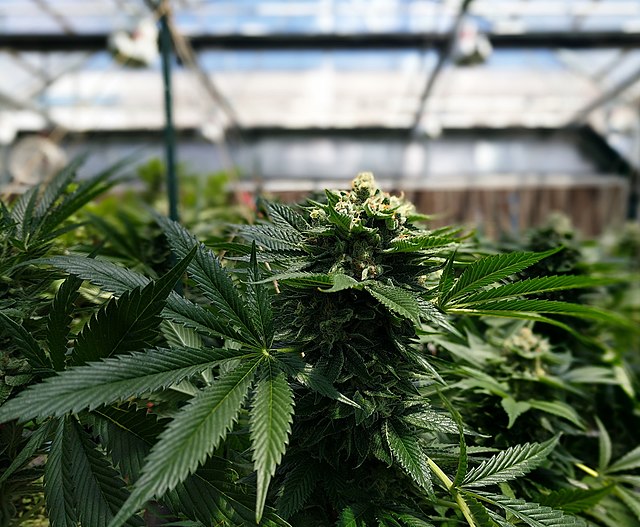
While the production and sale of cannabis medicines have been legal in Brazil since 2019, legal cannabis cultivation is not yet a reality. Bill 399/2015, however, is committed to changing this. Updated in 2020, Bill 399/2015 foresees the legalization of cannabis cultivation for medical and scientific purposes.
It also establishes the conditions for entities allowed to grow the plant, such as laboratories, research institutes, and patient associations. Although the bill has already passed in the Chamber of Deputies, it still needs to be approved by the Senate and sanctioned by President Bolsonaro.
While the bill faced resistance in the Lower House and will likely experience obstacles in the future phases, Pro-bill lawmakers are confident it will get enacted and become law.
2) A patients’ association grows cannabis for medical purposes since 2017 – it is legal, safe, and helps over 14,000 People
A non-profit organization located in the northeastern state of Paraíba, ABRACE remains the only patients’ association in Brazil allowed to grow cannabis for medical purposes. Authorized by Brazil’s court since 2017 and growing Brazilian strains only, ABRACE (the Brazilian Association of Support “Cannabis Hope”) supplies CBD oil for over 14,000 patients from all over Brazil.
While some patients get the oil for free, others pay around R$80 for a 30ml flask, which is quite affordable compared to cannabis oils available in pharmacies (roughly US$400): because ABRACE represents the only legal alternative to expensive and imported cannabis medicines, it is constantly receiving more patients.
3) At least 21 NGOs are supporting medical cannabis patients
While ABRACE is the most structured and the only one allowed to grow cannabis, at least 21 other non-profit organizations in Brazil are actively fighting to democratize access to medical cannabis in the country. For example, in Rio de Janeiro, APEPI was this close to getting the cultivation permit last year.
In Paraíba, other than ABRACE, alternative associations also make a difference for cannabis patients needing accessible CBD treatment, such as AMPARA. The scene is dynamic in São Paulo, relying on ACuCa, Cultive, and Flor da Vida. There are many more cannabis associations spread across Brazil, and you can learn more about it with this article by Sechat.
4) This Brazilian university is known worldwide for its scientific research on cannabidiol
When it comes to scientific production on the medical properties of cannabidiol, the University of São Paulo (USP) is a world leader. Released in mid-2020, the study “Global Trends in Cannabis and Cannabidiol Research from 1940 to 2019” places USP (more precisely, the Medical School campus at Ribeirão Preto, some 300 km from the capital) as the institution that has published the highest number of academic work that is relevant to the field.
According to this study, USP Ribeirão Preto has published over two times more scientific research on cannabidiol than King’s College London, the second-placed in this ranking.
5) The Brazilian scientist who inaugurated the debate
If today, Brazil has such a prestigious position in scientific research on medical cannabis, this has everything to do with the legacy of Doctor Elisaldo Carlini. Having returned to Brazil in 1962 after he finished his master’s in Psycho-Pharmacology at Yale, Carlini was the first Brazilian academic to investigate the therapeutic effects of THC and CBD.
In over 50 years of his career, Carlini was a true activist in favor of medical cannabis legalization. He passed away last year and is considered one of the most prominent scientists of medical cannabis of all time.
6) Medical cannabis is inspiring new market initiatives
According to Forbes, if Bill 399/2015 gets enacted, the medical cannabis sector in Brazil can generate over US$5 billion in revenue by 2025. The projections for the industry could not be better, inspiring new businesses to enter the market and found a dynamic medical cannabis ecosystem.
The increasing number of startups related to medical cannabis is surprising. Some of them are: the Dogons, a research & development startup focused on CBD-based infusion probiotics; the biotech Entourage Phytolab; and the health tech Proprium.
Furthermore, since May this year, Brazilians have been allowed to invest in medical and recreational cannabis funds through Vitreo, the first Brazilian fintech to offer a cannabis investment fund for its clients.
More: Brazil news in English, every day from The Rio Times.
Read More from The Rio Times