Brazilian Study Points to an Increase in Cancer in 20 to 49 Year-olds
RIO DE JANEIRO, BRAZIL – The increase of cancer cases in the population age 20 to 49, from 1997 to 2016, drew the attention of specialists. In this period, the incidence per year of thyroid gland cancer registered an increase of 8.8 percent, 5.2 percent of prostate cancer, and 3.4 percent of colon and rectum cancer.
The data are part of a study carried out by the Oncology Observatory, the theme of which was cancer before the age of 50: “How data can help in prevention policies”.
The work was introduced on Wednesday, July 17th, during the Big Data Forum in Oncology, which was held at the Museu do Amanhã, in Rio de Janeiro. The Movimento Todos Juntos Contra o Câncer (“All Together Against Cancer Movement”), known as TJCC, organized the meeting.
According to the study, there was also an increase in mortality from several types of disease. The highest percentage was of endometrial cancer, which rose 4.2 percent per year; followed by colon and rectum with 3.2 percent, breast with 2.5 percent, oral cavity with 1.2 percent and cervix with one percent.
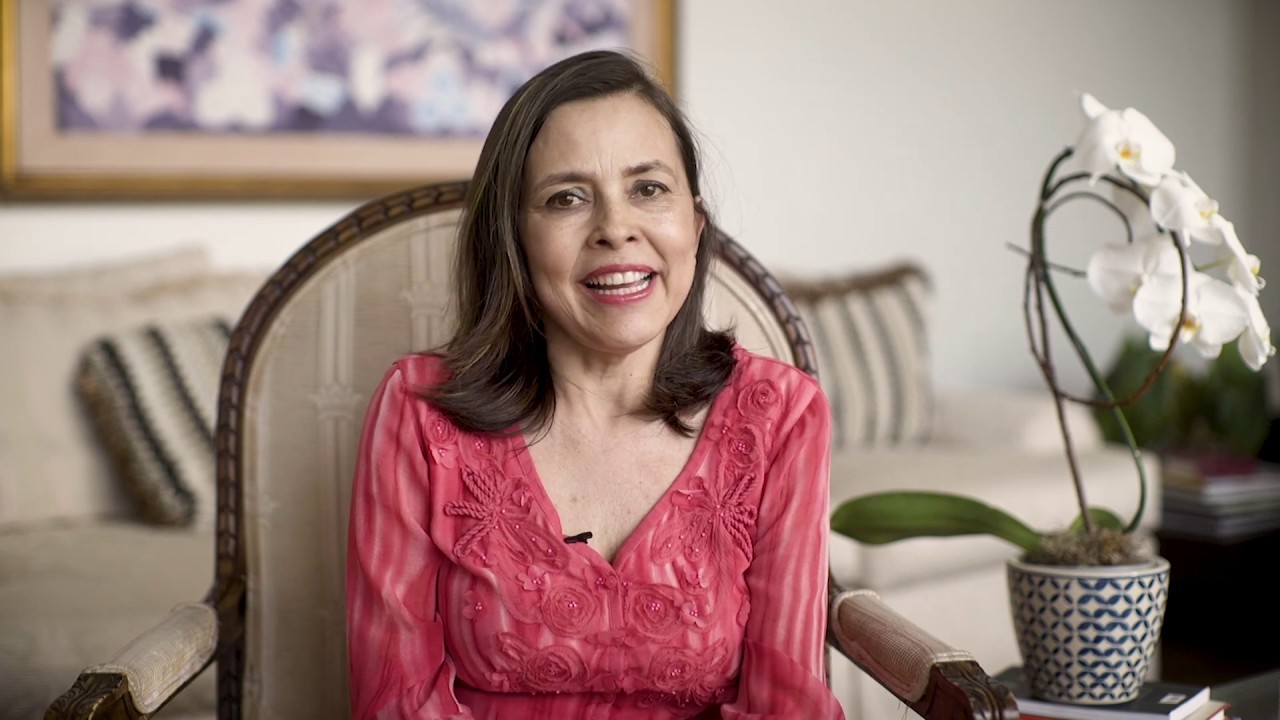
The head of the TJCC and president of the Brazilian Association of Lymphoma and Leukemia (ABRALE), Merula Steagall, said after research by the American Cancer Society, released in February in the United States, pinpointing the link between obesity and the increase in cancer cases in younger individuals, experts from the Observatory of Oncology, a part of TJCC, were dedicated to investigating what happened in Brazil and analyzed data from the health sector. Data from DATASUS and Inca were examined.
The result, in addition to caution, will serve to signal the types of policies that may be implemented by managers and prevent the trend from growing at a higher rate.
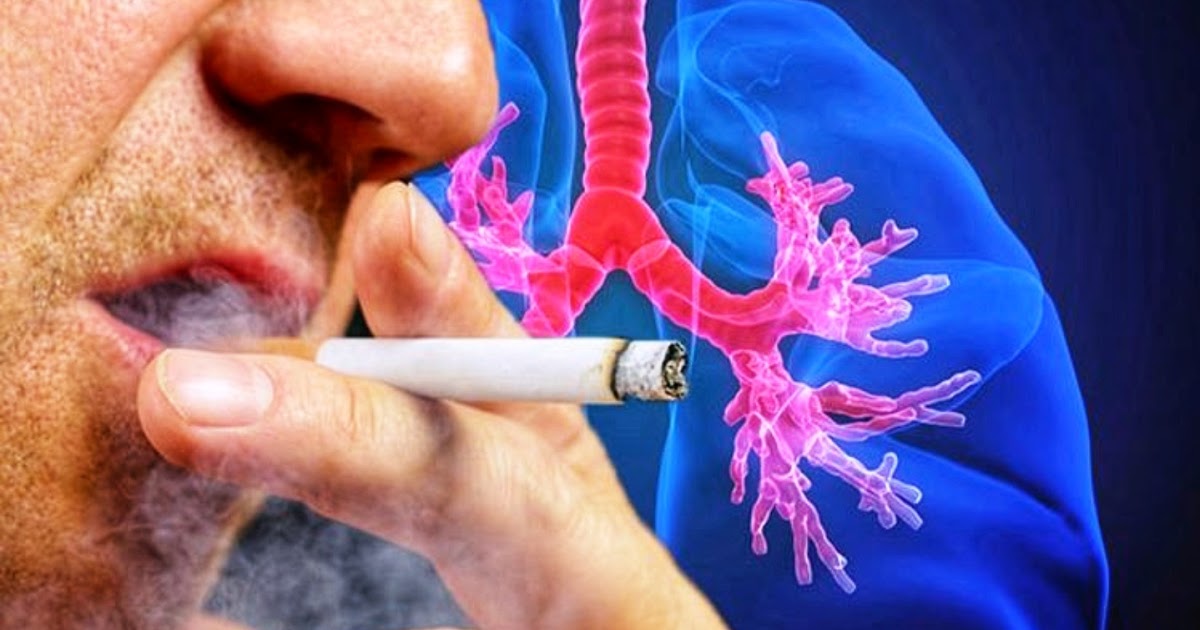
“Cancers related to lifestyle were those that increased in prevalence and mortality. We are assuming that alcohol, tobacco, a poor diet and lack of exercise may be reflected in the increased prevalence,” said Merula Steagall.
The researcher also says she believes that the increase in mortality occurred because people only seek treatment at an advanced stage of the disease.
“Since cancer is expected to be a disease more prevalent after the age of fifty, as cells are older and begin an erratic production that leads to cancer, a person between twenty and fifty is not attentive to it. The system does not ease the way for a quick diagnosis.”
Delay
Experts emphasized two factors that contribute to these numbers: the lack of access to information and treatment. “The delay in accessing a specialist and a suitable center also leads to mortality and the person loses control of the disease,” she said. Merula added that in terms of technology, in the last twenty years, there have been advances; thus it is disappointing for the expert to see that scientific progress has not had an impact on people’s lives.
“It didn’t work for many kinds of cancers. Of the nineteen analyzed, ten increased mortality,” she observed, underscoring the importance of the media in alerting and promoting healthy living.
“You have to plan your senior years while you’re young. It’s just that young people think mortality is distant for them. I say this as a person with a genetic disease, and as death has always been nearby, I always took care of myself, treated myself, tried to do sports and had a healthy diet. Cautioning is important because we need to plan our aging.”
Diagnosis
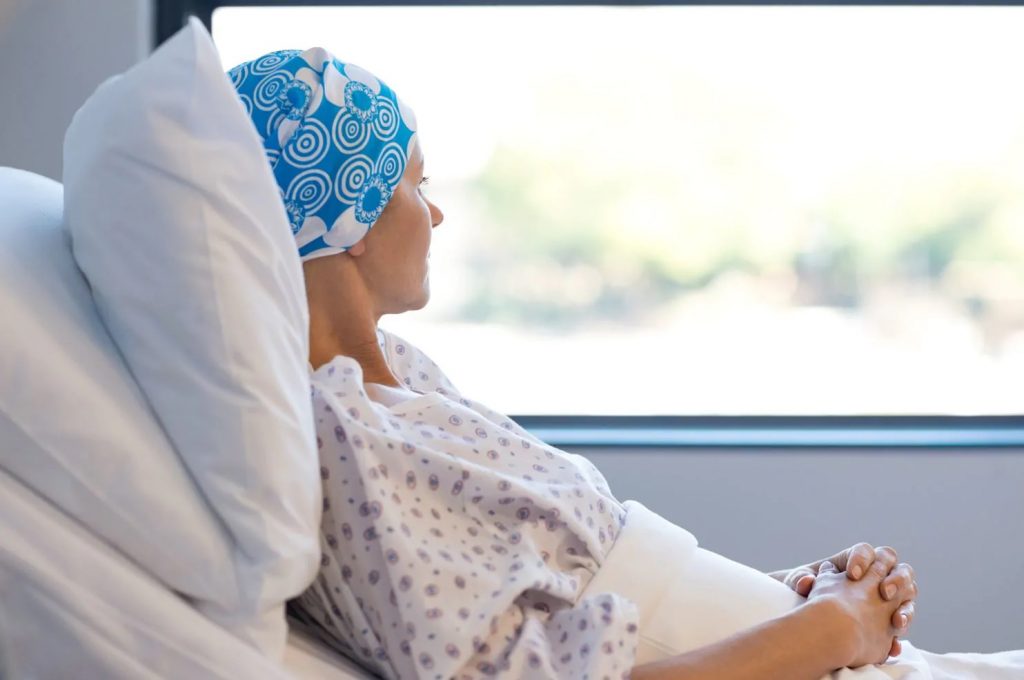
Mastologist Alice Francisco had her own experience with early diagnosis. A routine examination to check a family history of hypothyroidism showed that she had thyroid cancer, although she had no symptoms. The evaluation was made twelve years ago, the treatment was performed, the tumor disappeared, but two years later it returned.
“I had to undergo treatment again. It was very unexpected considering the state of my diagnosis at that moment,” she said.
Alice added that early diagnosis was crucial and that she could see the impact on treatment outcomes. The doctor reinforced the need to have good eating and physical habits. “For me, that was very important, and I adjusted it to my everyday life. Today I reflect a lot on this as a health professional and study everything about it. One of my lines of study is physical activity, so it greatly changed the way I was professionally after having gone through it,” she said.
Partnership
According to the president of ABRALE, the goal of the organization is to work together with the Ministry of Health to define, among other measures, greater publicity of information about the disease, how it can be diagnosed and what are the risk factors.
In the meeting, the difference in access to information and available treatment between the regions of Brazil was noted, with greater difficulty in the North, Northeast, and Center-West.
The director of the Department of Computer Science of the National Health System (DATASUS/SE/MS), Jacson de Barros, who took part in the debates, acknowledged that it is necessary to better qualify the care teams who can provide an early diagnosis, facilitate treatment and, in many cases, prevent the death of patients.
The director said there is a lack of infrastructure to record the information accurately. A study conducted last year in hospitals with over fifty beds shows that more than half of them do not have electronic medical records, i.e., they perform the basics when the patient is admitted, whether he or she was hospitalized and how many days he or she remained in the unit, but a clinical analysis is not performed.
“Even so, with the little information we have, we are still able to extract something, even though we do not have the clinical information,” he said.
To address the issue of regions where there is lack of access to information, diagnosis, and treatment, the director said that the Ministry of Health is conducting a survey to prepare the first attendants to do the appropriate registration.

More: Brazil news in English, every day from The Rio Times.
Editorial responsibility: Matthias Camenzind, Editor-in-Chief · Editorial standards · Report an error