IBOV 171,031.73 ▲ 1.85% IPSA 11,338.38 ▲ 0.89% IPC MEX 65,729.18 ▲ 2.14% MERVAL 2,913,184 ▲ 1.30% COLCAP 2,459.23 ▲ 0.61% BVL PERÚ 58,698.13 ▲ 2.60% USD/BRL5.14▼ 0.14% USD/MXN16.95▲ 0.30% USD/CLP914.28— 0.00% USD/COP3,038▼ 1.18% USD/PEN3.35▼ 0.06% USD/ARS1,499▲ 0.12% USD/UYU40.20▲ 1.58% USD/PYG5,996▲ 1.55% USD/BOB11.43▲ 0.41% USD/DOP58.82▲ 0.20% USD/CRC450.05▲ 3.34% USD/GTQ7.62▲ 2.21% USD/HNL26.81▲ 0.31% USD/NIO36.62▲ 0.61% USD/VES778.00▼ 0.13% USD/PAB1.00— 0.00% USD/BZD2.00— 0.00% USD/JMD 157.28 — 0.00% USD/TTD6.71▲ 0.79% EUR/BRL6.00▼ 0.64% BRENT 88.88 ▼ 0.03% WTI 83.11 ▼ 0.11% IRON ORE 161.91 — — COPPER 6.61 ▲ 0.03% GOLD 4,461 ▲ 1.78% SILVER 65.59 ▲ 1.26% SOY 1,184 ▲ 3.20% CORN 480.50 ▲ 10.02% WHEAT 655.00 ▲ 3.93% COFFEE 317.25 ▼ 5.51% SUGAR 16.43 ▼ 1.79% ORANGE JUICE 138.55 ▼ 0.47% COTTON 85.03 ▲ 2.33% COCOA 5,719 ▲ 3.18% BEEF 223.60 ▼ 3.93% CATTLE 339.10 ▼ 3.16% LITHIUM 75.20 ▲ 1.47% PETR4 41.64 ▼ 0.05% VALE3 72.97 ▲ 0.83% ITUB4 38.60 ▼ 1.03% BBDC4 16.85 ▲ 0.36% ABEV3 14.89 ▼ 0.80% BBAS3 19.37 ▲ 0.47% B3SA3 14.26 ▼ 0.21% WEGE3 47.59 ▲ 0.49% PRIO3 59.14 ▼ 0.19% SUZB3 41.33 ▲ 2.35% RENT3 34.68 ▼ 0.09% AZZA3 15.89 ▼ 2.63% CSAN3 3.22 ▼ 1.83% RAIZ4 0.25 — 0.00% PCAR3 2.75 ▼ 0.36% GMAT3 3.65 ▼ 1.08% PSSA3 48.13 ▼ 0.54% CVCB3 1.33 ▼ 2.92% POSI3 3.36 ▲ 2.44% SLCE3 13.34 ▲ 0.30% NATU3 8.14 ▼ 0.73% IBOV 171,031.73 ▲ 1.85% IPSA 11,338.38 ▲ 0.89% IPC MEX 65,729.18 ▲ 2.14% MERVAL 2,913,184 ▲ 1.30% COLCAP 2,459.23 ▲ 0.61% BVL PERÚ 58,698.13 ▲ 2.60% USD/BRL 5.16 ▲ 0.01% USD/MXN 17.06 ▼ 0.24% USD/CLP 913.98 ▲ 0.04% USD/COP 3,140 ▲ 0.03% USD/PEN 3.36 ▼ 0.66% USD/ARS 1,493 ▲ 0.10% USD/UYU 40.27 ▲ 1.24% USD/PYG 5,939 ▲ 1.68% USD/BOB 11.64 ▼ 0.76% USD/DOP 58.34 ▲ 1.25% USD/CRC 445.92 ▲ 0.89% USD/GTQ 7.62 ▲ 2.21% USD/HNL 26.79 ▲ 1.57% USD/NIO 36.62 ▲ 0.69% USD/VES 762.44 ▼ 0.13% USD/PAB 1.00 — 0.00% USD/BZD 2.00 — 0.00% USD/JMD 157.28 — 0.00% USD/TTD 6.70 ▲ 0.61% EUR/BRL 5.95 ▲ 1.01% BRENT 88.88 ▼ 0.03% WTI 83.11 ▼ 0.11% IRON ORE 161.91 — — COPPER 6.61 ▲ 0.03% GOLD 4,461 ▲ 1.78% SILVER 65.59 ▲ 1.26% SOY 1,184 ▲ 3.20% CORN 480.50 ▲ 10.02% WHEAT 655.00 ▲ 3.93% COFFEE 317.25 ▼ 5.51% SUGAR 16.43 ▼ 1.79% ORANGE JUICE 138.55 ▼ 0.47% COTTON 85.03 ▲ 2.33% COCOA 5,719 ▲ 3.18% BEEF 223.60 ▼ 3.93% CATTLE 339.10 ▼ 3.16% LITHIUM 75.20 ▲ 1.47% PETR4 41.64 ▼ 0.05% VALE3 72.97 ▲ 0.83% ITUB4 38.60 ▼ 1.03% BBDC4 16.85 ▲ 0.36% ABEV3 14.89 ▼ 0.80% BBAS3 19.37 ▲ 0.47% B3SA3 14.26 ▼ 0.21% WEGE3 47.59 ▲ 0.49% PRIO3 59.14 ▼ 0.19% SUZB3 41.33 ▲ 2.35% RENT3 34.68 ▼ 0.09% AZZA3 15.89 ▼ 2.63% CSAN3 3.22 ▼ 1.83% RAIZ4 0.25 — 0.00% PCAR3 2.75 ▼ 0.36% GMAT3 3.65 ▼ 1.08% PSSA3 48.13 ▼ 0.54% CVCB3 1.33 ▼ 2.92% POSI3 3.36 ▲ 2.44% SLCE3 13.34 ▲ 0.30% NATU3 8.14 ▼ 0.73%
since 2009
Sunday, August 23, 2026

In-Depth - Brazil Life & Society

Organized Crime Leads Invasions of São Paulo Natural Spring Areas

By · June 25, 2019 · 3 min read

Daily Brief

The morning intel from across Latin America. Free.

By subscribing you agree to our privacy policy. We never share your email.

By Arkady Petrov

RIO DE JANEIRO, BRAZIL – Recent criminal invasions of land protected by environmental laws have affected at least 24 areas in the city of São Paulo since last year.

Concentrated in the southern part of the capital, most are near the natural springs supplying the Guarapiranga and Billings reservoirs, and threaten the water supply of five million people in São Paulo. It is strongly suspected that some of these invasions are coordinated by organized crime, with the sale of plots of land for up to R$100,000 (US$25,000).

Posters scattered around the neighborhood announce plots of 125 m for sale with a downpayment starting at R$ 10,000
Posters scattered around the neighborhood announce 125 m2 plots for sale with a downpayment starting at R$10,000. (Photo internet reproduction)
One-stop reference
Company Intelligence
Every listed company in Latin America — financials, ownership and structure for 1,450+ companies across 26 exchanges, in one place.
Browse the directory →
RT
Ask Rio Times
This story and the bigger picture.
Open the full Ask Rio Times →

This is the case of a development in Jardim Gaivotas, in Grajaú, in the extreme south of the city.

Posters scattered around the neighborhood announce plots of 125 square meters for sale with a downpayment starting at R$10,000. This contrasts with Jardim Castro Alves, only 7 km away, where the square meter is worth twice the price and sales have an aggressive advertising strategy. “No proof of income required, no Credit Protection Service and Credit Analysts search, self financing,” emphasizes the advertising.

The suspicion of organized crime’s involvement in invasions of natural spring areas is the reason for the request to establish a Parliamentary Commission of Inquiry (CPI) in the City Council.

Police confirm drug trafficking in at least two of the illegal invasions listed by City Hall. In addition to Jardim Gaivotas, eight investigations were opened to determine drug trafficking in a Brasilândia area, in the city’s north zone. Seven arrest warrants have been issued.

Based on studies submitted by Councilman Gilberto Natalini’s (PV) office, there have been a total of 24 invasions, as well as criminal cases filed by the Housing and Urbanism Division of the State Public Prosecutor’s Office (MPE).

Many invasions are on private land or have forged title deeds, according to authorities. Even in these cases, sub-prefecture inspectors or environmental police officers may apply penalties for environmental violations after an administrative proceeding.

When claims are brought to court, decisions are generally favorable to the MPE and City Hall — but this does not protect the land from further invasion.
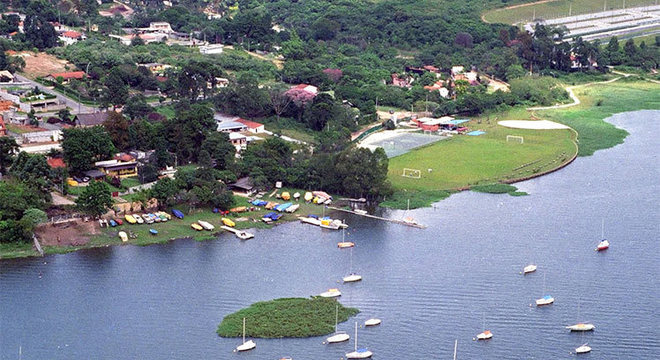
Concentrated in the southern part of the capital, most are in the springs of the Guarapiranga and Billings dams and threaten the supply of five million people in São Paulo
Concentrated in the southern part of the capital, most are around the springs supplying the Guarapiranga and Billings reservoirs and threaten the water supply of five million people in São Paulo. (Photo internet reproduction)

For Natalini, who was municipal secretary of Green Environment in then Mayor João Doria’s admnistration and author of the CPI request on the invasions, the issue is critical. “It’s possible to prevent this,” he says. According to him, City Hall is “inert”, “complacent”, and “conniving”.

Marcos Buckeridge, director of the Institute of Biosciences of the University of São Paulo (USP), cautions that invasions threaten the quality of water. The loss of the forest hinders the natural cleansing of water, while occupation pollutes the reservoir. “It will dramatically increase the risk of disease transmission, and then a fortune will be spent to clean the water.”

The municipality claims to carry out efforts, such as Operation Water Defense, coordinated by City Hall in partnership with the state government. The Green Environment portfolio says it has “great concern with the park areas and to look after them, and contracts are signed for unarmed surveillance and mobile patrols.”

Also, according to the municipality, “all efforts are taken to preserve the public heritage within its attributions. “There is no inertia or complacency, much less connivance.”

(Source: O Estado de S.Paulo)

This article was produced by The Rio Times’ automated newsroom system. How we use AI · Report an error

Read More from The Rio Times

The Rio Times · Power Map
See who really holds power in Latin America
Click to open the Power Map

Rotate for Best Experience

This report is optimized for landscape viewing. Rotate your phone for the full experience.