São Paulo Passes Bill Likely to Increase Already High Number of C-Sections
SÃO PAULO, BRAZIL – São Paulo’s state legislature (Alesp) approved a bill last week that would give women the option of a cesarean section birth within the public health system, even if there is no medical reason for it. With Governor João Doria expected to sanction the bill into law within the next few days, the proposal has been getting both criticism and praise.

“It is fair that low-income women have the right to cesarean section in the state’s public maternity hospitals or general hospitals. After referral from the Assembly, we will approve and publish for immediate validity,” said Governor Doria during an event on Wednesday, August 15th.
Brazil has frequently been criticized for having high rates of cesarean section births. It has the second-highest C-section rate in the world, with 55.6 percent of births in the country. The World Health Organization (WHO) recommends countries have an 85 percent rate of natural births. In Brazil, the number of natural births reaches only 46 percent, most performed through the public health system.
The proposal was not well received by the Association of Obstetrics and Gynecology of the State of São Paulo (Sogesp). For Rosiane Mattar, one of the coordinators of the association, the public network does not 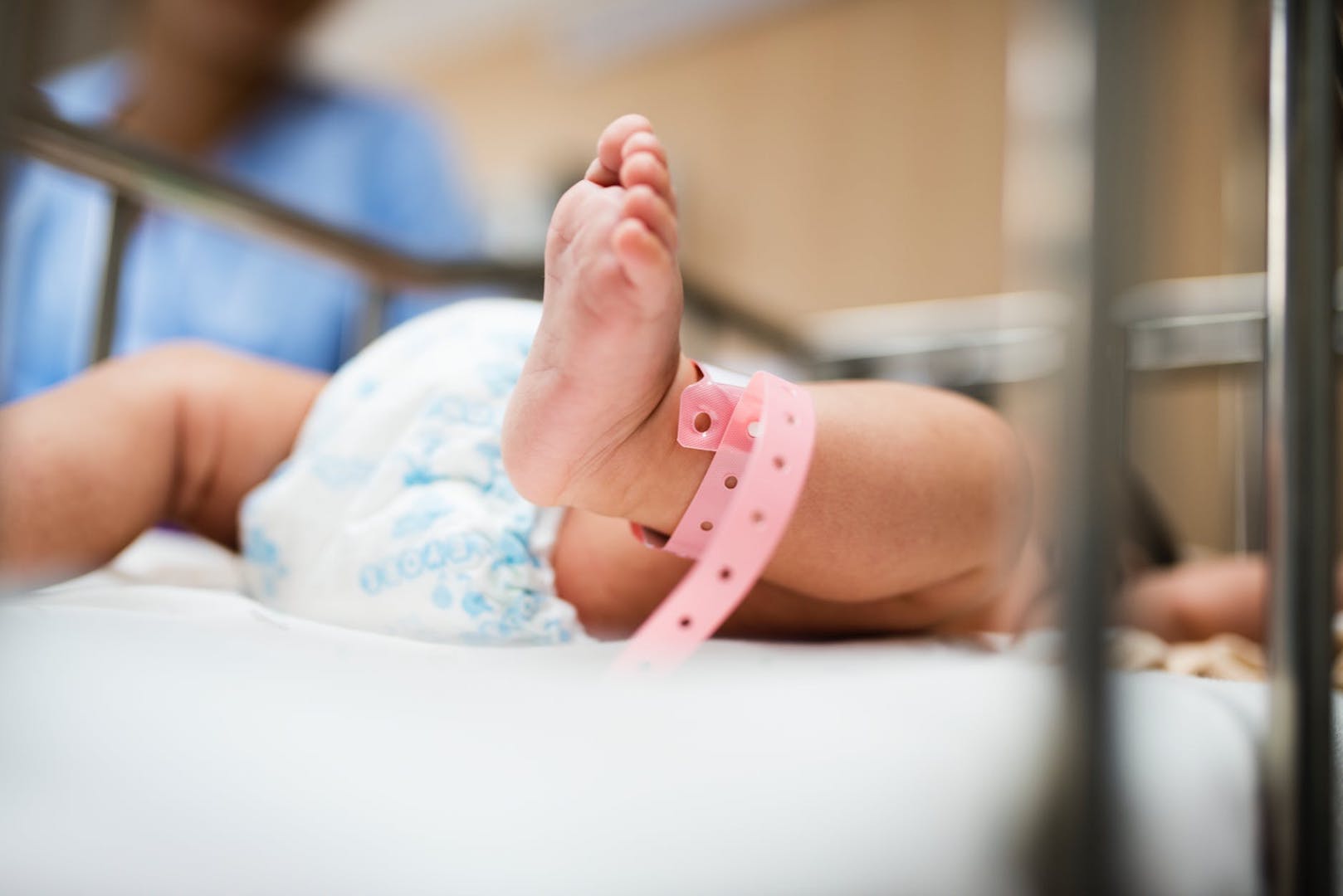
“Outside (foreign) ob-gyn associations already criticize us for our high C-section rates, and now this. We are extremely concerned about the pressure this measure will put on our public health system,” Mattar told The Rio Times.
The bill was a proposal by lawmaker Janaina Paschoal. “Congratulations to the Legislative Assembly of the State of São Paulo, for the approval of PL 435/19, which gives women the right to choose the mode of delivery! I thank colleagues who said YES to a woman’s ability to decide on the birth of her children!” said Paschoal on her social media account after the bill passed.
According to Paschoal, the proposal gives voice to women who, due to their low income, are prevented from exercising their right of choice.
“I would like the critics of the law passed by Alesp, guaranteeing women’s autonomy in childbirth, to explain why, in the private (health) network, where eighty percent of births occur by cesarean section, fewer mothers and fewer babies die; I would like them to explain why deaths are more frequent in the public system, where normal childbirth prevails,” argues the lawmaker.
But according to Mattar, officials did not think this measure through. “We will not have enough anesthesiologists, enough operating rooms or enough beds for the extra days women will have to stay in the hospital,” says Mattar.
According to official data, the rate of surgical deliveries through the public health system is forty percent, while the number of procedures performed by health plans reaches a whopping 84 percent.
“We have been trying for years to reduce the number of C-sections performed for those women who have private health plans because natural birth is better for everyone — for the woman and for the baby,” says Mattar, who has worked over twenty years as an ob-gyn doctor, both in public hospitals and through private health plans.

According to Mattar, the association is not against women having a choice of submitting to the procedure, but before choosing, expectant mothers should have all the data. “They (pregnant women) don’t have all the facts. The reality is that there is more risk overall for the mother, who has to face major surgery, of hemorrhage and other complications as well as for the baby, many of whom may suffer respiratory problems due to the cesarean,” states the doctor.
There are, however, some that praise the bill. São Paulo’s Regional Council of Medicine (Cremesp) is in favor of the project: “Cremesp understands that the quality assessment of perinatal care is multifactorial and should not be based on “ideal cesarean section rates”, disregarding medical indications and maternal wishes. For this reason, it defends bills such as PL 435/19, by lawmaker Janaina Paschoal,” says a text released by the board.
A similar measure is now being discussed in the federal Chamber of Deputies. Deputy Carla Zambelli has adopted Paschoal’s project and already plans to request a discussion on the issue at the federal level. “It has everything to be approved nationally,” said Zambelli to journalists.
“It’s not a matter of wanting to increase the number of cesarean sections. This may be a consequence. The project is for the woman to be able to choose which birth she feels most comfortable with for the birth of her baby,” added Zambelli.
More: Brazil news in English, every day from The Rio Times.
Editorial responsibility: Matthias Camenzind, Editor-in-Chief · Editorial standards · Report an error