SÃO PAULO, BRAZIL – As the Chinese Year of the Rat starts, businessmen in São Paulo city have started to work once again on a long-lost dream: to build a Chinatown in Latin America’s largest city.

The project was developed by the Brazil-China Sociocultural Institute (Ibrachina) and focuses on using a popular retail area in the center of São Paulo city, near the Municipal Market, covering a few blocks. “It is currently a very run-down area of the city,” says Thomas Law, president of Ibrachina.
“São Paulo is a city of the world and a Chinatown would be a legacy of Brazil’s relations with China,” said Law. According to the association, the project could create the largest Chinatown in Latin America.
According to Law, the project would cost approximately R$150 (US$35.8) million.
The executive says that should the project be approved by the city’s lawmakers, the area would feature restaurants, shops with Chinese manufactured goods and food products, as well as a museum. “We want to show Brazil what China is doing in terms of technology and renewable energy,” he says in regard to the development of the museum.
The project would be financed by state-controlled Chinese companies, says the Institute. According to Law, there are many Chinese companies looking for projects to leave as a legacy. “After the first news stories about a possible Chinatown here in São Paulo, I have received many telephone calls from companies interested in financially contributing to the project.”
Law also said both the Chinese Consulate in São Paulo and the city’s Chinese community are favorable to the idea. The executive said that last year the Institute conducted an informal survey with merchants and restaurant owners about the development of a Chinatown in the center of São Paulo. “The response was very positive,” he noted.
Today, there are over 350,000 Chinese living in the country, and Law estimates that 80 percent of them live in the city of São Paulo. “The state of São Paulo receives over 34 percent of all Chinese investments made in Brazil,” adds Law.
Currently there are several well-known Chinese restaurants in the city, but they are spread around throughout the megalopolis. “We have many Chinese merchants working in Liberdade (the well-known Japanese neighborhood), but it is their neighborhood and not ours. The plan is to gather our cultural activities, restaurants, and retail products in one same area,” says Law.
According to the executive, São Paulo would follow cities that have their own Chinese centers, such as New York, Los Angeles, San Francisco, Paris, London and in South America, Buenos Aires.
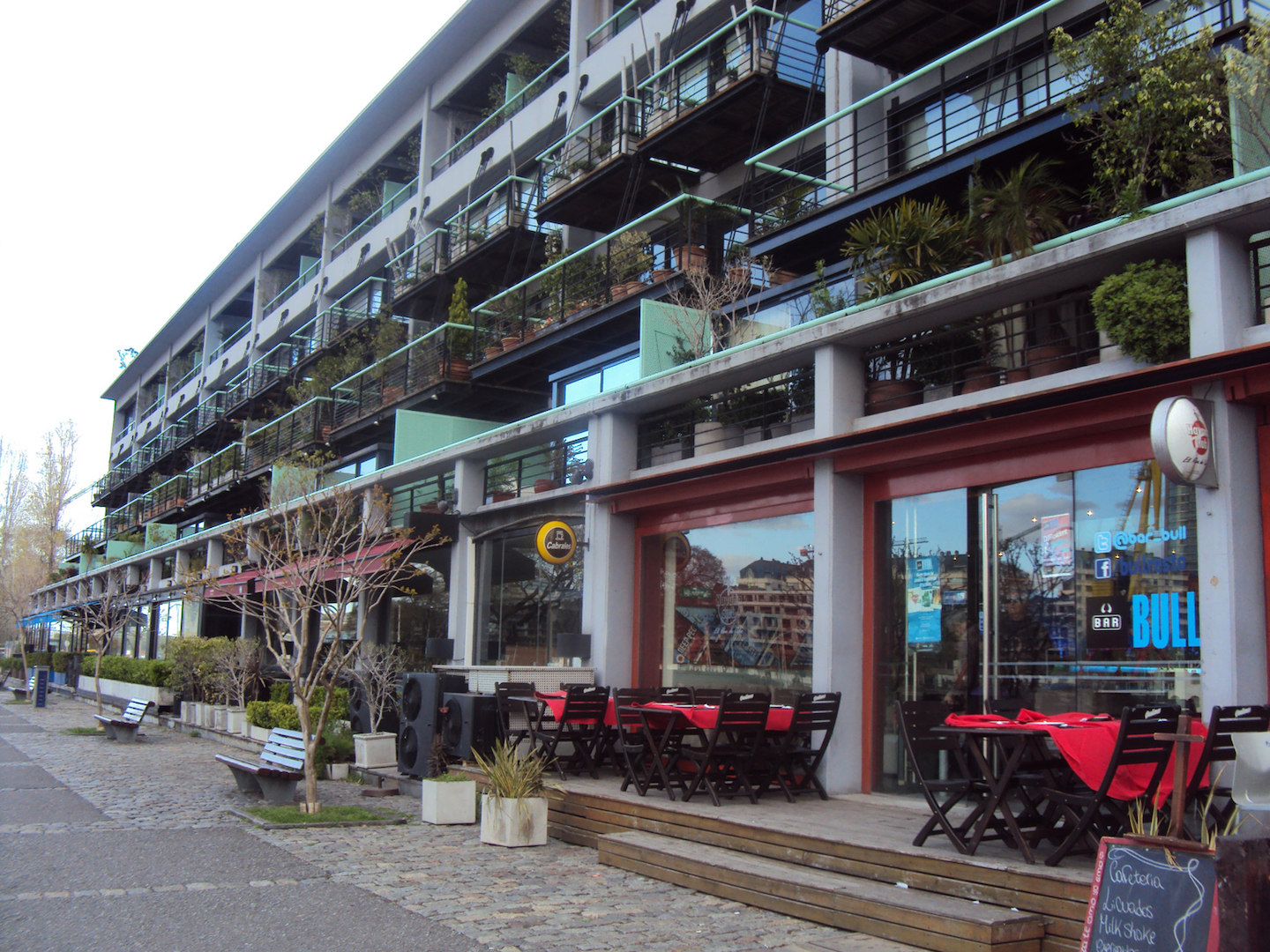
As an example of what the rehabilitation can do for that area of São Paulo, Law points out to what was done in Buenos Aires’ Puerto Madero in the 1990s. “Today Puerto Madero is one of the most popular tourist attractions in Buenos Aires,” said the head of Ibrachina, adding, “We can do that to São Paulo: bring tourists back to the city’s old center.”
The São Paulo Chinatown’s architectural design is by Sino-Brazilian architect, Sophia Lin. Lin brought Chinese elements to the project, including a bamboo garden, Chinese lanterns as public lighting posts, as well as bus stops and garbage cans with Chinese themes. The region would also feature the traditional ‘gate’ with two sitting Lions watching over the area.
The project bill is currently pending at the city’s municipal legislature, ready to be voted on. Thomas Law says that issues previously raised by the city government regarding the project have been addressed.
According to Ibrachina, with Brazil-China trade at an all-time high and prospects of multi-million-dollar investments by Chinese companies in the country in the very near future, it is time for Brazil to have a Chinatown.
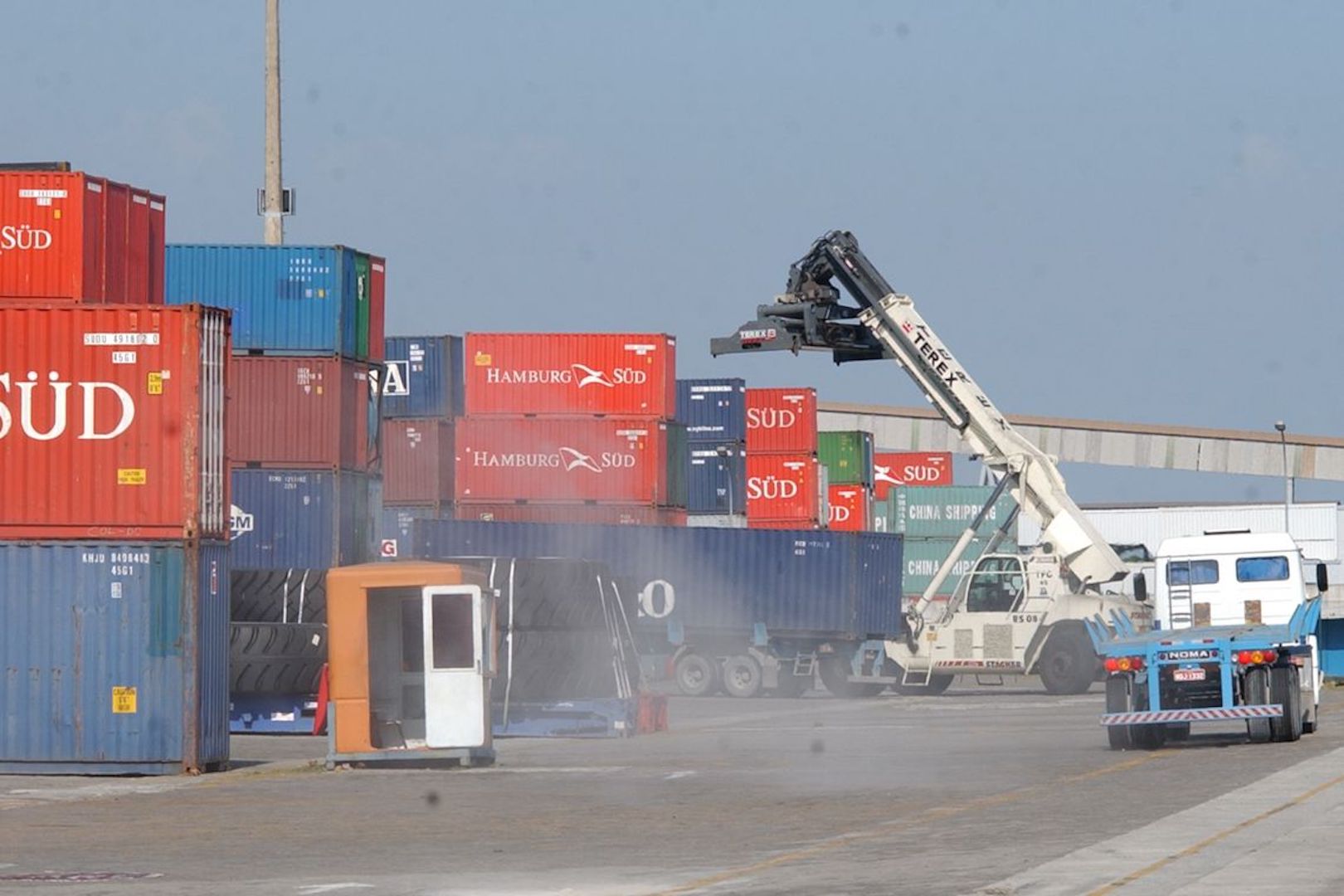
In 2019, Chinese investments in Brazil reached US$1.9 billion, according to a recent report by PWC. The figure is much higher than the US$283.8 million invested the previous year. Over the past decade, Chinese investments in Brazil reached more than US$55 billion. With a total of 83 transactions, most of the investments made by China in Brazil have been in electric energy (US$21.5 billion) and oil and gas (US$20.1 billion).
China is today the main destination for Brazilian exports (27.8 percent), more than twice that of exports to the United States. In addition to São Paulo, the state of Minas Gerais is also a major commercial partner of the Chinese. Trade between Minas Gerais and China has grown to such an extent over the past few years that in 2019 Ibrachina opened its second office in the state capital, Belo Horizonte.
The association’s goal is now to have the project approved by the municipal assembly and have the area ready by 2024 when 50 years of Brazil-China relations are celebrated.
“2024 would be an ideal year to inaugurate ‘Chinatown’ in São Paulo. Perhaps we may even be able to bring China’s President (Xi Jinping) himself for the inauguration,” hopes the head of Ibrachina.
More: Brazil news in English, every day from The Rio Times.
Editorial responsibility: Matthias Camenzind, Editor-in-Chief · Editorial standards · Report an error
Living in or visiting São Paulo? See this month's events and our São Paulo city guide with rents, safety and upcoming concerts.