São Paulo’s Vila Madalena neighborhood is still bohemian but with more gourmet temples
RIO DE JANEIRO, BRAZIL – When looking for a new eatery opening in Vila Madalena, you’ll often find the word “formerly” in parentheses and a reference to the previous eatery in that spot. The neighborhood is still a bohemian district with urban art. Still, it is gradually changing the profile of its stores, residents, regulars, and even the landscape, which is becoming more vertical.
In a pandemic, the changes become more apparent. They caught the attention this month, too, when it was announced that the 50-year-old Mercearia São Pedro, known for its cultural events and as a meeting place for intellectuals, might close.

“For sale” signs have been popping up since last year, when bars and restaurants closed, amid changes in the neighborhood. Within a few months, they made way for new spaces, especially gastronomic ones, some of which are associated with well-known names, such as chef Bela Gil, ice cream parlor Rochinha, Jeronimo Burger (of the Madero Group), and chef Elisa Fernandes (first winner of MasterChef Brasil).
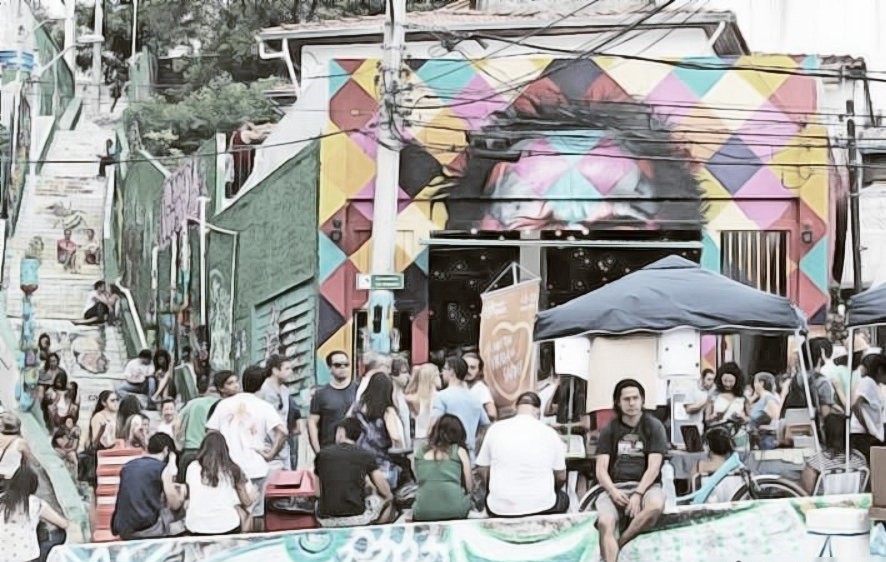
An example of this is the former Armazém da Cidade, known for its gastronomic and cultural events, street activities, and the mural Tom Zé by the artist Kobra. This address is now home to Caos Brasilis, which opened last Wednesday – one of more than ten restaurants and snack bars in the Vila during the pandemic.
The eatery is run by 29-year-old chef Bruno Hoffmann from São Paulo, who also became known for participating in TV Globo’s reality show Mestre do Sabor 2020. Since the end of last year, he was looking to open his first restaurant in Vila Madalena after gaining experience in the area.
“Vila Madalena fits perfectly with the concept of the restaurant being an aggregator, it has something cheerful but not offensive to those who are more traditional,” he defines. “It breathes the new, the liveliness, the diversity in which all the strains circulate.”
In the former Hamburgeria Black Trunk on Purpurina Street, there is now a concept store of the American chain Johnny Rockets. “We thought of Itaim-Bibi (South Zone), in Vila Madalena, in the most bohemian neighborhoods,” says Renan Troccoli, partner of the space. The idea is to attract “a younger, unconventional bar crowd.” One of the strategies is the unusual and “Instagrammable” drinks, like the one inspired by a Banksy artwork and another served in roller skates. Inside there is a “Johnny Alley” with murals inspired by the neighboring Batman Alley.
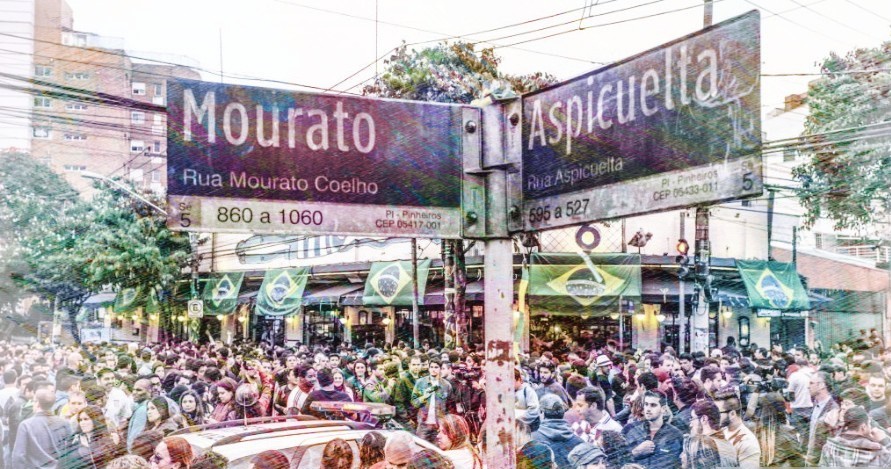
Another novelty is the accession of three establishments in the region to the Ruas SP program of City Hall – one in Girassol and three in Aspicuelta. With this, tables are allowed on the sidewalks and parking lots.
SURVIVORS OF THE 1980s
A description used on a social network of one of the few bars from the 1980s that survived in the region sums up the change: “It was a stronghold of left-wing intellectuals and filmmakers (…). The audience became more eclectic, with students coming from all corners of the city, patricians and suits, athletes and neo-hippies, but also 40- and 50-year-olds nostalgic for a time when the empanadas bar belonged only to them.”
At Martin Fierro, partner Ana Maria Massochi, 70, says she has kept some of her customers since the restaurant opened more than 40 years ago. “The spirit of the place remains the same. It’s not the same garage, the chairs aren’t made of tin, but the proposal is the same.” The restaurant, which specializes in Argentine empanadas and meat cuts, has adapted. It was one of the first restaurants to offer espresso coffee, and the wine list has expanded. “It has become a focal point,” she says.
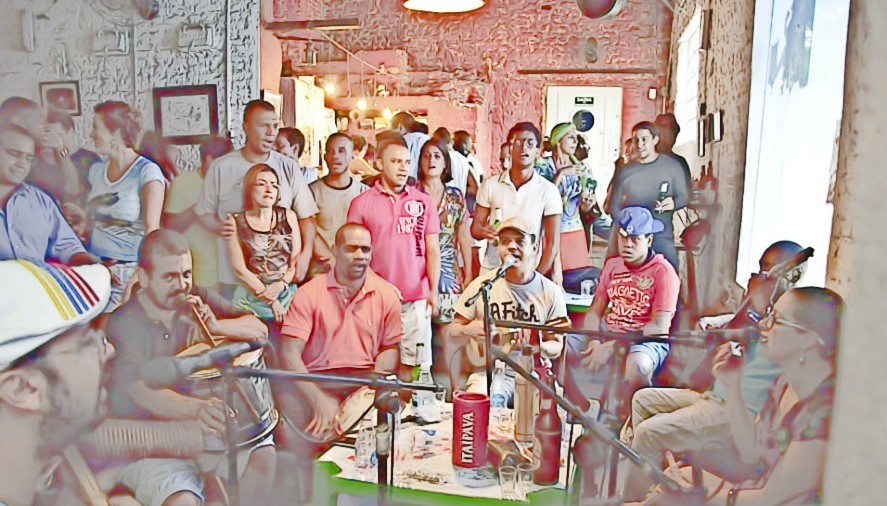
Another establishment that has been in the area longer is Ó do Borogodó, which opened 20 years ago. At the time, the partners frequented the area’s samba circles, and choosing an address in the vila was an obvious choice. “We created an environment like a backyard,” says Stefânia Gola, partner of the space, which continues exclusively virtual activities in the pandemic and keeps up with the rent thanks to a fundraiser after the announcement of a possible closure.
Not that bills are a concern, certainly not in the valorized region. “In the period before the pandemic, the situation was already very complicated. The Ó is a dump made of other materials. We had cheap rents (in the beginning). As the Vila grew, it suffered from the increase in rents.”
“There’s a history there, a way of living a city. The place encounters neighborhood opposition every year when it comes to having its own small carnival parade. Still, the intention is to stay.”
EXPANSION OF THE NEIGHBORHOOD
The change is also territorial. Areas that used to belong to Sumarezinho, Vila Ida, and other neighborhoods are now referred to as Vila Madalena. “There used to be only three or four streets,” says Yvone Dias Avelino, professor of history at the PUC-SP. “The city of São Paulo became big from the point of view of the settlement, and the Vila accompanied that. It is a city within the city.”
“In the past, it was a more well-behaved bohemia that mixed with the residents of the Vila. Today it has reached another dimension. She summarizes the evolution of the Vila over the last century in four phases: that of immigrants (mainly Portuguese), the religious phase (marked by Catholic festivals), the arrival of USP students and artists (especially in the 1970s), and the creation of the Black Pearl, and the current phase.
(The information comes from the newspaper O Estado de S. Paulo)
More: Brazil news in English, every day from The Rio Times.
This article was produced by The Rio Times’ automated newsroom system. How we use AI · Report an error
Read More from The Rio Times