IBOV 166,783.57 ▼ 0.09% IPSA 11,148.13 ▲ 0.96% IPC MEX 64,152.21 ▼ 0.38% MERVAL 2,947,349 ▼ 1.77% COLCAP 2,452.46 — 0.00% BVL PERÚ 58,334.31 ▲ 0.12% USD/BRL5.21▲ 0.10% USD/MXN17.06▲ 0.13% USD/CLP915.68▲ 0.07% USD/COP3,132▲ 0.06% USD/PEN3.37▲ 0.02% USD/ARS1,488▼ 0.02% USD/UYU40.33▲ 0.01% USD/PYG5,997▲ 0.22% USD/BOB11.50▼ 0.35% USD/DOP58.55▲ 0.17% USD/CRC446.12— 0.00% USD/GTQ7.62▼ 0.05% USD/HNL26.79— 0.00% USD/NIO36.62▲ 0.81% USD/VES771.38▼ 0.03% USD/PAB1.00— 0.00% USD/BZD2.00— 0.00% USD/JMD 157.28 — 0.00% USD/TTD6.73▲ 0.41% EUR/BRL6.01▼ 0.52% BRENT 88.88 ▼ 0.03% WTI 83.11 ▼ 0.11% IRON ORE 161.91 — — COPPER 6.61 ▲ 0.03% GOLD 4,461 ▲ 1.78% SILVER 65.59 ▲ 1.26% SOY 1,184 ▲ 3.20% CORN 480.50 ▲ 10.02% WHEAT 655.00 ▲ 3.93% COFFEE 317.25 ▼ 5.51% SUGAR 16.43 ▼ 1.79% ORANGE JUICE 138.55 ▼ 0.47% COTTON 85.03 ▲ 2.33% COCOA 5,719 ▲ 3.18% BEEF 223.60 ▼ 3.93% CATTLE 339.10 ▼ 3.16% LITHIUM 75.20 ▲ 1.47% PETR4 41.64 ▼ 0.05% VALE3 72.97 ▲ 0.83% ITUB4 38.60 ▼ 1.03% BBDC4 16.85 ▲ 0.36% ABEV3 14.89 ▼ 0.80% BBAS3 19.37 ▲ 0.47% B3SA3 14.26 ▼ 0.21% WEGE3 47.59 ▲ 0.49% PRIO3 59.14 ▼ 0.19% SUZB3 41.33 ▲ 2.35% RENT3 34.68 ▼ 0.09% AZZA3 15.89 ▼ 2.63% CSAN3 3.22 ▼ 1.83% RAIZ4 0.25 — 0.00% PCAR3 2.75 ▼ 0.36% GMAT3 3.65 ▼ 1.08% PSSA3 48.13 ▼ 0.54% CVCB3 1.33 ▼ 2.92% POSI3 3.36 ▲ 2.44% SLCE3 13.34 ▲ 0.30% NATU3 8.14 ▼ 0.73% IBOV 166,783.57 ▼ 0.09% IPSA 11,148.13 ▲ 0.96% IPC MEX 64,152.21 ▼ 0.38% MERVAL 2,947,349 ▼ 1.77% COLCAP 2,452.46 — 0.00% BVL PERÚ 58,334.31 ▲ 0.12% USD/BRL 5.16 ▲ 0.01% USD/MXN 17.06 ▼ 0.24% USD/CLP 913.98 ▲ 0.04% USD/COP 3,140 ▲ 0.03% USD/PEN 3.36 ▼ 0.66% USD/ARS 1,493 ▲ 0.10% USD/UYU 40.27 ▲ 1.24% USD/PYG 5,939 ▲ 1.68% USD/BOB 11.64 ▼ 0.76% USD/DOP 58.34 ▲ 1.25% USD/CRC 445.92 ▲ 0.89% USD/GTQ 7.62 ▲ 2.21% USD/HNL 26.79 ▲ 1.57% USD/NIO 36.62 ▲ 0.69% USD/VES 762.44 ▼ 0.13% USD/PAB 1.00 — 0.00% USD/BZD 2.00 — 0.00% USD/JMD 157.28 — 0.00% USD/TTD 6.70 ▲ 0.61% EUR/BRL 5.95 ▲ 1.01% BRENT 88.88 ▼ 0.03% WTI 83.11 ▼ 0.11% IRON ORE 161.91 — — COPPER 6.61 ▲ 0.03% GOLD 4,461 ▲ 1.78% SILVER 65.59 ▲ 1.26% SOY 1,184 ▲ 3.20% CORN 480.50 ▲ 10.02% WHEAT 655.00 ▲ 3.93% COFFEE 317.25 ▼ 5.51% SUGAR 16.43 ▼ 1.79% ORANGE JUICE 138.55 ▼ 0.47% COTTON 85.03 ▲ 2.33% COCOA 5,719 ▲ 3.18% BEEF 223.60 ▼ 3.93% CATTLE 339.10 ▼ 3.16% LITHIUM 75.20 ▲ 1.47% PETR4 41.64 ▼ 0.05% VALE3 72.97 ▲ 0.83% ITUB4 38.60 ▼ 1.03% BBDC4 16.85 ▲ 0.36% ABEV3 14.89 ▼ 0.80% BBAS3 19.37 ▲ 0.47% B3SA3 14.26 ▼ 0.21% WEGE3 47.59 ▲ 0.49% PRIO3 59.14 ▼ 0.19% SUZB3 41.33 ▲ 2.35% RENT3 34.68 ▼ 0.09% AZZA3 15.89 ▼ 2.63% CSAN3 3.22 ▼ 1.83% RAIZ4 0.25 — 0.00% PCAR3 2.75 ▼ 0.36% GMAT3 3.65 ▼ 1.08% PSSA3 48.13 ▼ 0.54% CVCB3 1.33 ▼ 2.92% POSI3 3.36 ▲ 2.44% SLCE3 13.34 ▲ 0.30% NATU3 8.14 ▼ 0.73%
since 2009
Tuesday, August 18, 2026

São Paulo Brazil

Would You Move to Another City? Why 63 Percent of São Paulo Residents Said Yes

By · December 30, 2019 · 4 min read

Daily Brief

The morning intel from across Latin America. Free.

By subscribing you agree to our privacy policy. We never share your email.

SÃO PAULO, BRAZIL – An initiative of Rede Nossa São Paulo, in partnership with IBOPE (Brazilian Institute of Public Opinion and Statistics), the series “Living in São Paulo” shows conclusions that flash as warning signs, but that suggest paths to follow.

Valuable insights for improving the quality of life can be found in them and can serve as a reference for many cities in Brazil.

74 percent of São Paulo citizens have already suffered or witnessed accidents on the sidewalks, 76 percent of them frequently walk to work
74 percent of São Paulo citizens have already suffered or witnessed accidents on the sidewalks, 76 percent of them frequently walk to work. (Photo internet reproduction)
One-stop reference
Company Intelligence
Every listed company in Latin America — financials, ownership and structure for 1,450+ companies across 26 exchanges, in one place.
Browse the directory →
RT
Ask Rio Times
This story and the bigger picture.
Open the full Ask Rio Times →

For instance, 74 percent of São Paulo citizens have already suffered or witnessed accidents on the sidewalks; 76 percent frequently walk to work ( the highest level since 2015), and people with disabilities point to mobility infrastructure (traffic lights, sidewalks and bus stops) as one of the most important challenges to be solved.

From these three surveys (pedestrians, mobility and people with disabilities), it is clear that the sidewalk is a priority issue in the city, which is related to the right to come and go freely, as well as access to employment opportunities, culture, and commerce.

The surveys also show that São Paulo does not respect women: more than half have suffered some kind of harassment (38 percent have experienced harassment in public transportation) and 24 percent of them said they have faced some kind of gender prejudice in the job market.

São Paulo is also racist: 70 percent of respondents say that prejudice against the black population has remained the same or increased in the past ten years in the city.

Intolerance towards sexual diversity is also on the rise, since four out of ten respondents suffered or witnessed some kind of prejudice based on sexual orientation or gender identity in public areas and also on public transportation.

The requirement to work within a culture of diversity so that people understand that it is a richness in our society and, on the other hand, to be strict in the defense of everyone’s rights, is evident.

The public health system is overwhelmed by an issue that could be solved with the use of more modern engines that eliminate or reduce the emission of fine diesel particles, technology that exists and is currently used in many cities around the world
The public health system is overwhelmed by an issue that could be solved with the use of more modern engines that eliminate or reduce the emission of fine diesel particles, technology that exists and is currently used in many cities around the world. (Photo internet reproduction)

In São Paulo, 4,700 people die each year (13 every day) due to respiratory problems (data from the Institute for Health and Sustainability) and health has been pointed out for years as the greatest issue for citizens living in the city.

The public health system is overwhelmed by an issue that could be solved with the use of more modern vehicle engines that eliminate or reduce the emission of fine diesel particles, technology that exists and is currently used in many cities around the world. In Brazil, local government action will change the standard of collective transportation.

Mobility in the city is always a key issue and one of the most resonant research findings in this series. The 2019 edition showed that, despite having decreased, the average time spent daily in traffic by São Paulo citizens is two hours and 25 minutes.

And, certainly, one of the most daunting results: 71 percent of bus users stop visiting friends or family, going for medical appointments, taking part in leisure activities, attending classes and even looking for a job, either constantly or occasionally, due to the high fares.
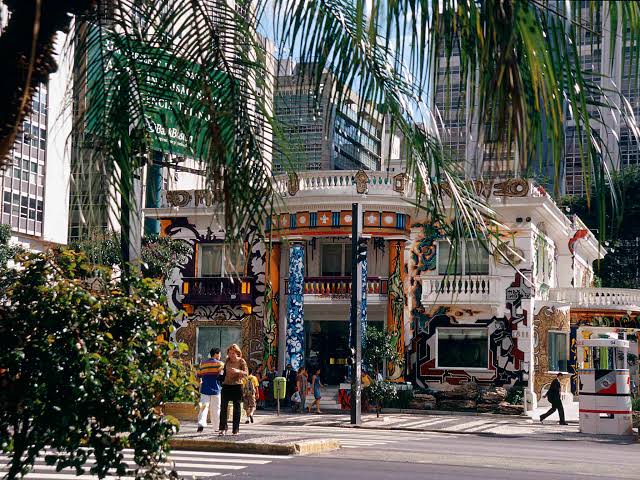
Mobility in the city is always a key issue and one of the most resonant researches in this series. The 2019 edition showed that, despite having decreased, the average time spent daily in traffic by São Paulo citizens is two hours and 25 minutes.
Mobility in the city is always a key issue and one of the most resonant researches in this series. The 2019 edition showed that, despite having decreased, the average time spent daily in traffic by São Paulo citizens is two hours and 25 minutes. (Photo internet reproduction)

In the area of work and income, the survey showed that for approximately four out of every ten São Paulo citizens, food is the item that most impacts the household budget, followed by rent/mortgage.

When the subject is safety, the survey’s unprecedented edition pointed out that 76 percent consider the neighborhood where they live to be poorly or otherwise unsafe. Further, 47 percent avoid going out at night for fear of violence.

Policies that encourage the decentralization of job offers would have an impact in improving mobility, reducing the tremendous amount of time spent in traffic and less exposure to pollution, reducing health issues. The incorporation of data disclosed in surveys can be a powerful tool for defining public policy, budget and investment priorities.

In January 2019, 63 percent of those polled said they would leave São Paulo if they could. The next survey will be released on January 22nd and it will be possible to see if, in the course of one year, São Paulo’s capital has become more or less attractive to the people who live there.

This article was produced by The Rio Times’ automated newsroom system. How we use AI · Report an error

Read More from The Rio Times

The Rio Times · Power Map
See who really holds power in Latin America
Click to open the Power Map

Rotate for Best Experience

This report is optimized for landscape viewing. Rotate your phone for the full experience.