IBOV 171,031.73 ▲ 1.85% IPSA 11,338.38 ▲ 0.89% IPC MEX 65,729.18 ▲ 2.14% MERVAL 2,913,184 ▲ 1.30% COLCAP 2,459.23 ▲ 0.61% BVL PERÚ 58,698.13 ▲ 2.60% USD/BRL5.14▼ 0.05% USD/MXN16.92▲ 0.05% USD/CLP914.28— 0.00% USD/COP3,044▲ 0.21% USD/PEN3.36▲ 0.04% USD/ARS1,499▼ 0.03% USD/UYU40.20▲ 1.52% USD/PYG5,996▲ 1.39% USD/BOB11.43▲ 0.51% USD/DOP58.82▲ 0.19% USD/CRC450.05▲ 1.95% USD/GTQ7.62▲ 2.13% USD/HNL26.81▲ 1.55% USD/NIO36.62— 0.00% USD/VES782.70▼ 0.13% USD/PAB1.00— 0.00% USD/BZD2.00— 0.00% USD/JMD 157.28 — 0.00% USD/TTD6.71▲ 0.82% EUR/BRL6.00▼ 1.06% BRENT 88.88 ▼ 0.03% WTI 83.11 ▼ 0.11% IRON ORE 161.91 — — COPPER 6.61 ▲ 0.03% GOLD 4,461 ▲ 1.78% SILVER 65.59 ▲ 1.26% SOY 1,184 ▲ 3.20% CORN 480.50 ▲ 10.02% WHEAT 655.00 ▲ 3.93% COFFEE 317.25 ▼ 5.51% SUGAR 16.43 ▼ 1.79% ORANGE JUICE 138.55 ▼ 0.47% COTTON 85.03 ▲ 2.33% COCOA 5,719 ▲ 3.18% BEEF 223.60 ▼ 3.93% CATTLE 339.10 ▼ 3.16% LITHIUM 75.20 ▲ 1.47% PETR4 41.64 ▼ 0.05% VALE3 72.97 ▲ 0.83% ITUB4 38.60 ▼ 1.03% BBDC4 16.85 ▲ 0.36% ABEV3 14.89 ▼ 0.80% BBAS3 19.37 ▲ 0.47% B3SA3 14.26 ▼ 0.21% WEGE3 47.59 ▲ 0.49% PRIO3 59.14 ▼ 0.19% SUZB3 41.33 ▲ 2.35% RENT3 34.68 ▼ 0.09% AZZA3 15.89 ▼ 2.63% CSAN3 3.22 ▼ 1.83% RAIZ4 0.25 — 0.00% PCAR3 2.75 ▼ 0.36% GMAT3 3.65 ▼ 1.08% PSSA3 48.13 ▼ 0.54% CVCB3 1.33 ▼ 2.92% POSI3 3.36 ▲ 2.44% SLCE3 13.34 ▲ 0.30% NATU3 8.14 ▼ 0.73% IBOV 171,031.73 ▲ 1.85% IPSA 11,338.38 ▲ 0.89% IPC MEX 65,729.18 ▲ 2.14% MERVAL 2,913,184 ▲ 1.30% COLCAP 2,459.23 ▲ 0.61% BVL PERÚ 58,698.13 ▲ 2.60% USD/BRL 5.16 ▲ 0.01% USD/MXN 17.06 ▼ 0.24% USD/CLP 913.98 ▲ 0.04% USD/COP 3,140 ▲ 0.03% USD/PEN 3.36 ▼ 0.66% USD/ARS 1,493 ▲ 0.10% USD/UYU 40.27 ▲ 1.24% USD/PYG 5,939 ▲ 1.68% USD/BOB 11.64 ▼ 0.76% USD/DOP 58.34 ▲ 1.25% USD/CRC 445.92 ▲ 0.89% USD/GTQ 7.62 ▲ 2.21% USD/HNL 26.79 ▲ 1.57% USD/NIO 36.62 ▲ 0.69% USD/VES 762.44 ▼ 0.13% USD/PAB 1.00 — 0.00% USD/BZD 2.00 — 0.00% USD/JMD 157.28 — 0.00% USD/TTD 6.70 ▲ 0.61% EUR/BRL 5.95 ▲ 1.01% BRENT 88.88 ▼ 0.03% WTI 83.11 ▼ 0.11% IRON ORE 161.91 — — COPPER 6.61 ▲ 0.03% GOLD 4,461 ▲ 1.78% SILVER 65.59 ▲ 1.26% SOY 1,184 ▲ 3.20% CORN 480.50 ▲ 10.02% WHEAT 655.00 ▲ 3.93% COFFEE 317.25 ▼ 5.51% SUGAR 16.43 ▼ 1.79% ORANGE JUICE 138.55 ▼ 0.47% COTTON 85.03 ▲ 2.33% COCOA 5,719 ▲ 3.18% BEEF 223.60 ▼ 3.93% CATTLE 339.10 ▼ 3.16% LITHIUM 75.20 ▲ 1.47% PETR4 41.64 ▼ 0.05% VALE3 72.97 ▲ 0.83% ITUB4 38.60 ▼ 1.03% BBDC4 16.85 ▲ 0.36% ABEV3 14.89 ▼ 0.80% BBAS3 19.37 ▲ 0.47% B3SA3 14.26 ▼ 0.21% WEGE3 47.59 ▲ 0.49% PRIO3 59.14 ▼ 0.19% SUZB3 41.33 ▲ 2.35% RENT3 34.68 ▼ 0.09% AZZA3 15.89 ▼ 2.63% CSAN3 3.22 ▼ 1.83% RAIZ4 0.25 — 0.00% PCAR3 2.75 ▼ 0.36% GMAT3 3.65 ▼ 1.08% PSSA3 48.13 ▼ 0.54% CVCB3 1.33 ▼ 2.92% POSI3 3.36 ▲ 2.44% SLCE3 13.34 ▲ 0.30% NATU3 8.14 ▼ 0.73%
since 2009
Monday, August 24, 2026

Brazil Records Second Highest Number of Dengue Fever Deaths in 21 Years

By · January 9, 2020 · 3 min read

Daily Brief

The morning intel from across Latin America. Free.

By subscribing you agree to our privacy policy. We never share your email.

RIO DE JANEIRO, BRAZIL – With dengue fever on the rise, 2019 recorded the second-highest number of deaths from the disease since 1998, the year in which the historical series began. Data from the Ministry of Health show that by December 7th, 754 dengue-related deaths had been confirmed.

In practice, the total is only below that recorded in 2015, the year of the worst epidemics of the disease, with 986 deaths.

With dengue fever on the rise, 2019 registered the second highest number of deaths from the disease since 1998
With dengue fever on the rise, 2019 recorded the second-highest number of deaths from the disease since 1998. (Photo: Internet Reproduction)
One-stop reference
Company Intelligence
Every listed company in Latin America — financials, ownership and structure for 1,450+ companies across 26 exchanges, in one place.
Browse the directory →
RT
Ask Rio Times
17 years of Latin America reporting, on demand.
Open the full Ask Rio Times →

However, the figure may still grow, since the balance report does not account for the full year. By January 7th, there were also 221 suspected deaths from the disease still under investigation.

The data evidence the impact of the new advance of dengue fever that occurred in 2019, after two years with low numbers of recorded cases.

In all, from January through early December, the ministry counted 1,527,119 likely cases of the disease.

It is the second-highest figure since these cases began to be recorded in 1990. The comparison of the total number of cases was reported by the newspaper O Globo.

The figure further represents an increase of 517 percent compared to 2018, when only 247,393 suspected cases were recorded. The low number of cases that year had been expected due to the accumulation of two years of the epidemic, in 2015 and 2016.

In regard to 2019, specialists have linked the new high with the increase in the circulation of dengue’s serotype 2, which had not occurred with such force since 2008. The change ends up increasing the chance of people susceptible to the virus. Before, serotype 1 was the type recording the highest circulation in the country – there are four possible serotypes.

According to the Ministry’s dengue program coordinator, Rodrigo Said, the change in the predominant serotype by late 2018, adding to climatic factors and its reach into highly populated areas, helps to explain the high number of cases.

“We had a very intense summer in 2019, with high temperatures, which favors the reproduction of the mosquito and the occurrence of epidemics,” he says. “We also had a change in the serotype. If we look at the historical series, every time there’s this change, there’s an increase in cases”.
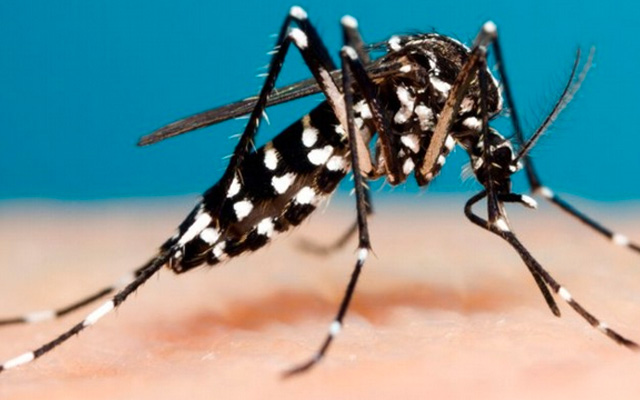
By December 7th 2019, 754 dengue deaths had been confirmed. The figure represents an increase of 517 percent compared to 2018, when only 247,393 cases were registered.
By December 7th, 2019, 754 dengue deaths had been confirmed, an increase of 517 percent compared to 2018. (Photo: Internet Reproduction)

The high number of deaths may be related, in addition to the new advance of the disease, to records that suggest the possibility of greater occurrence of more serious cases with serotype 2, he says.

Alert for 2020

With the second-highest number of cases in the historical series, the Ministry of Health classifies the 2019 scenario as a “concentrated epidemic” in some regions.

This is because, out of a total of 1.5 million cases, 65 percent occurred in the states of São Paulo, Espírito Santo and Minas Gerais.

In Said’s opinion, while suggesting a concentration of cases, the situation ultimately calls for an alert also for the year 2020.

“When we say that the epidemic was more concentrated in the Southeast and Center-West, this points to the need for caution this year, particularly in the North and Northeast,” he says.

“Our concern is to monitor a change in the serotype in these regions,” he says about areas where serotype 2 is not yet the predominant one in circulation.

Furthermore, the higher occurrence of the disease in some areas within the states suggests that even São Paulo and Minas Gerais may still see a new advance of the disease. “There are regions in São Paulo that were not greatly impacted in 2019,” he says.

This article was produced by The Rio Times’ automated newsroom system. How we use AI · Report an error

Read More from The Rio Times

The Rio Times · Power Map
See who really holds power in Latin America
Click to open the Power Map

Rotate for Best Experience

This report is optimized for landscape viewing. Rotate your phone for the full experience.