Survey: Brazil Stands Out in Frequency of Using Digital Payment Methods
RIO DE JANEIRO, BRAZIL – Six out of ten Brazilians in social classes A, B, and C use digital payment methods, such as Apps — PayPal, PagSeguro and Google Pay — as channels for payment of bills, purchases, and transactions over the internet.
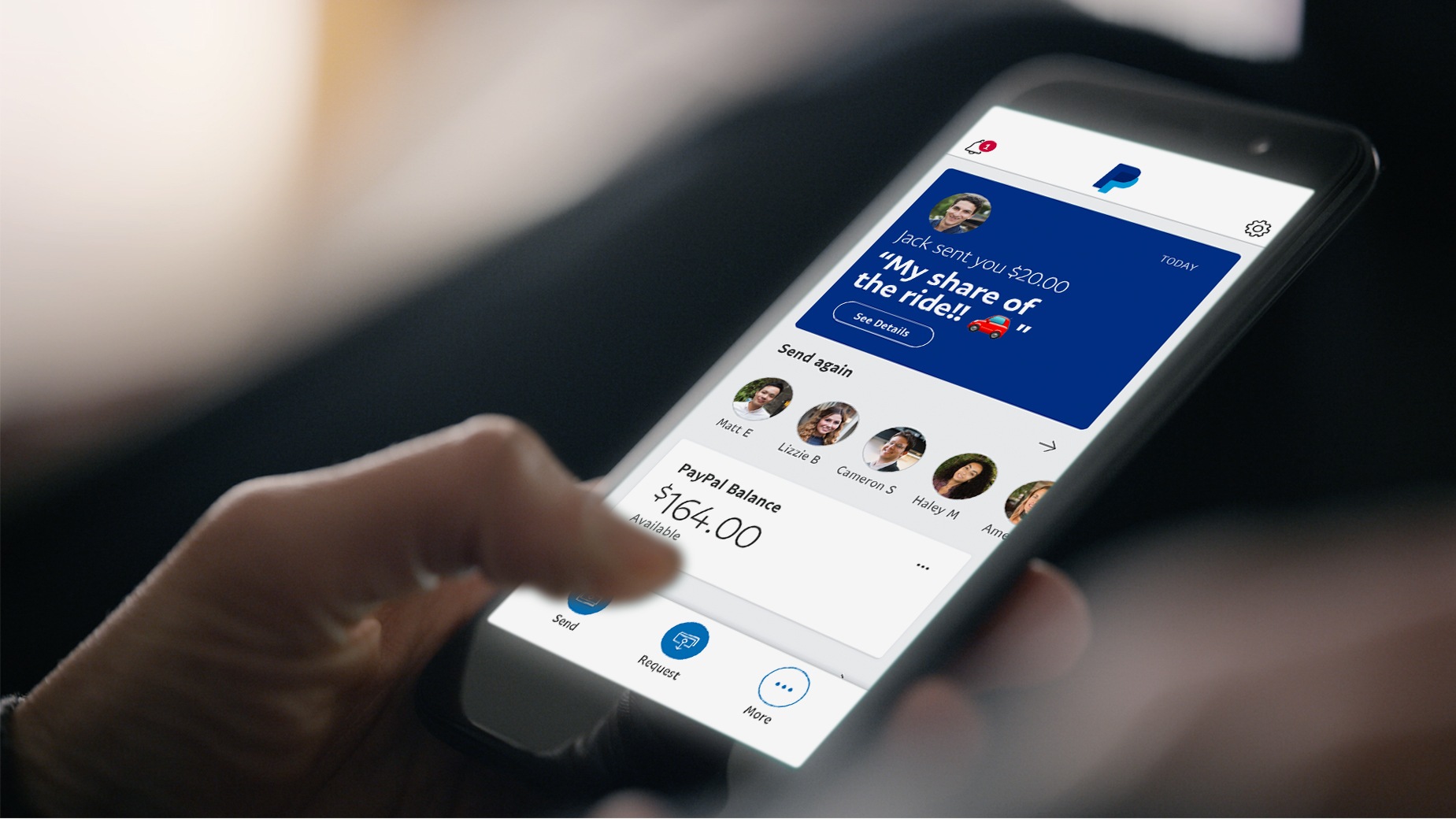
The information is included in a study prepared by IDC on changes of consumer habits in financial services in light of new technologies; IDC interviewed more than a thousand people from both middle and upper classes in three of the largest countries in Latin America: Brazil, Colombia, and Mexico.
The survey findings, published in New York, further showed that in Brazil alone, 61 percent of respondents reported using digital payment methods or “digital wallets.” In Mexico, the result was similar (62 percent) and, in Colombia, just over half of the people interviewed said they used these means (52 percent).
The adherence was lower when compared to the so-called fintechs, companies providing banking or financial services without having any physical locations. Among the respondents, 56 percent reported using this type of payment method in Brazil, compared to 34 percent in Mexico and 30 percent in Colombia.
Interactions and opening of accounts
Brazilians use smartphones the most to perform financial transactions (24.3 percent), according to the study. The practice is embraced by 14 percent of respondents heard in Mexico and 11.4 percent in Colombia.
In Brazil, the majority of respondents stated that they carry out banking operations mainly through a connected cell phone, followed by withdrawals from banks (15.9 percent), transactions using a personal computer (14.4 percent), branch service (12.9 percent) and withdrawals from ATMs (ten percent).
A further distinction between Brazilian respondents and those from other countries was the opening of accounts through mobile devices connected to the internet: 65 percent compared to 52 percent in Mexico and 48 percent in Colombia.
By contrast, increasingly fewer people go to a bank branch in Brazil to conduct banking transactions. According to the survey, 58 percent of respondents reported going to these facilities, while in Colombia and Mexico, adherence is almost two-thirdsf of the interviewees, 64 percent and 65 percent, respectively.
Cards
Brazil also leads in the use of credit cards. From the total, 57 percent reported using this method more frequently than debit cards. The rate was 38 percent in Mexico and 28 percent in Colombia. Almost 74 percent of Brazilians said they use both credit and debit cards.
Survey
The survey, entitled “How Fintechs and Banks Can Democratize Financial Services in Latin America,” examined the changes in habits related to financial services through the adoption of new technologies, particularly the use of mobile devices and internet platforms.
Just over a thousand people in the three countries were interviewed on their preferred digital payment methods, internet banking, online shopping, and loans to consumers and traders through web-connected platforms.
Other sources
Technology use habits are also analyzed in other surveys. The 2019 Banking Technology Survey of the Brazilian Federation of Banks, prepared by Deloitte consulting firm, also pointed to growth in financial transactions over the internet, based on information from Brazilian banks.
According to this survey, the number of people using cell phone apps to perform banking services tripled between 2014 and 2018, rising from 25 million (16 percent of the total) to 70 million (45 percent). Those who use internet access for the same purpose rose from 31 million (20 percent) to 53 million (34 percent) in the same period.
In 2018, 2.5 million accounts were opened through cell phones, representing a 56 percent growth over the prior year (1.6 million accounts). Bank accounts opened by internet banking increased from 26,000 to 434,000 during the same period.
More: Brazil news in English, every day from The Rio Times.
This article was produced by The Rio Times’ automated newsroom system. How we use AI · Report an error · Editorial responsibility: Matthias Camenzind, Editor-in-Chief
LatAm Markets: Live Signals → — real-time movers, turnover leaders and FX across Latin America.