Niterói Combats Coronavirus, Plans to Conduct More Testing than USA or South Korea
RIO DE JANEIRO, BRAZIL – While the city of Rio de Janeiro – and perhaps the entire state – is nearing a health collapse, on the other side of the bridge across Guanabara Bay, the well-off neighboring city seems to face the coronavirus pandemic with slightly greater reassurance.
The municipality of Niterói, known for having the seventh-highest HDI (Human Development Index) in the entire country, has been trying since January to anticipate the Covid-19 with a number of social, economic and sanitary measures. With 500,000 inhabitants, it was the first city to acquire rapid tests – a total of 50,000 – from China and South Korea, with the goal of testing ten percent of its population over two months.

“We are winning the battle for life so far, but society needs to understand that we have not yet reached the most critical moment of this crisis and that social distancing is very important”, says sociologist and Mayor Rodrigo Neves in a telephone interview.
By Wednesday, May 6th, Niterói had confirmed 527 cases of Covid-19 and 33 deaths. The city of Rio, with a population approximately ten times higher, recorded 8,577 cases and 764 deaths – that is, over 20 times more fatalities than neighboring Niterói.
Other less well off municipalities in the Rio metropolitan region have also recorded more deaths, such as Duque de Caxias (98 deaths). In the state of Rio, there are 13,295 cases and 1,205 confirmed deaths, second only to São Paulo.
Niteroi’s better performance during the pandemic can be attributed to other factors. It had a per capita GDP of over R$55,000 (now US$10.000) in 2017, whereas the whole country recorded just over R$31,000 that year; it also has an average monthly income of 3.1 minimum wages per formal worker, with 100 percent treated sewage.
In recent months, experts have also pointed to Niterói as an example of a city that has followed the highest international standards in tackling the coronavirus. “In January, when the epidemic broke out in China, we set up a task force with epidemiologists and infectologists to send opinions and reviews of what was happening,” said the Mayor.
“We developed public and private sector data protocols to develop training programs and identify the PPEs (personal protective equipment) and supplies needed should the pandemic eventually come”.
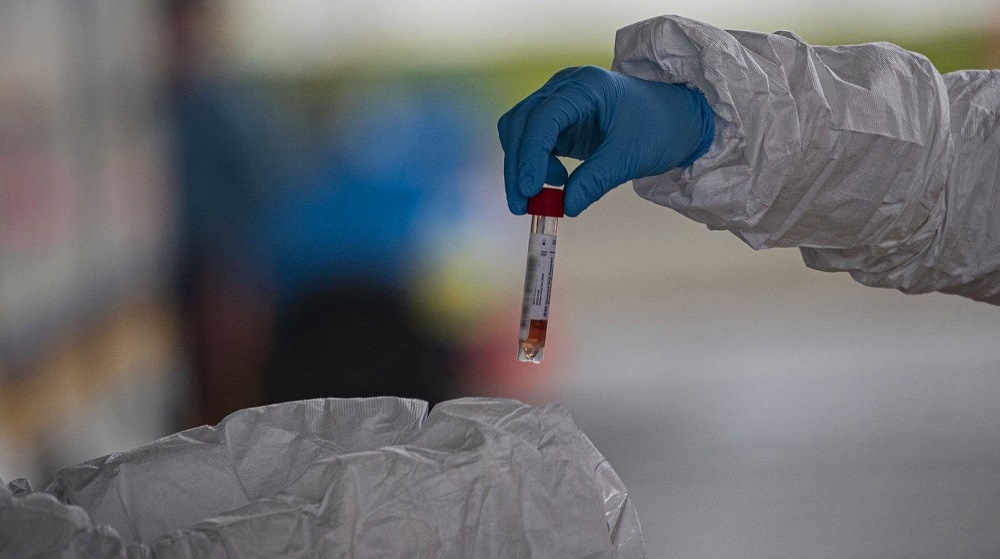
“The main measure is mass population testing. While the Ministry of Health says it is impossible to test the whole country due to the size of its population, Niteroi intends to achieve a higher proportion of tests than entire nations. We have 50,000 tests to run throughout two months of the epidemic. Brazil runs one test per 2,800 inhabitants. In the United States, it is one test per 150 people”.
“South Korea, regarded as the role model, runs one test per 100 inhabitants. We want to run one test for every ten inhabitants. We are already doing that,” explains the Mayor. The priority testing, as in other cities, will be for health, safety, and public order professionals, in addition to favela residents.
“It’s inconceivable that Brazil, with its dimension, is not producing mass tests and ventilators and depends on other countries. This delay will be tragic for the cities,” Neves says.
Another practice similar to that in Korea is the centers for low-income residents to achieve social isolation. Two Saturdays ago, 600 beds were set up in the city’s public education centers, which also include infirmaries, cafeterias, social services, and psychologists.
“The Médico de Família (Family Doctor) teams will persuade people to go to these centers to recover and then return to their homes and communities without the risk of contaminating anyone,” Neves says.
In parallel, the City government has rented hotels to shelter the population who live on the city’s streets. “The middle class has a three-bedroom apartment, but can you imagine what happens in the metropolitan area if people, even with mild symptoms, don’t have the means to isolate themselves? It’s a tragedy,” he explains.
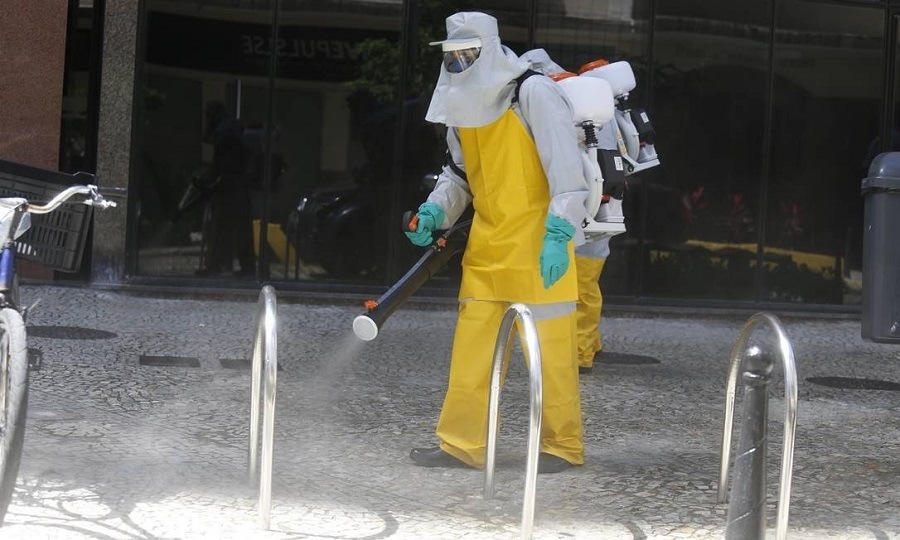
Another measure, chiefly targeted at the neediest population, was “the cleaning and sanitization of the 90 largest favelas, streets, alleys and neighborhoods in Niterói with quaternary ammonia [fifth generation],” the same product used in China to disinfect its cities.
Plan to contain the pandemic
When the pandemic finally came, Niterói was the first city in Rio to confirm a coronavirus case and the second to confirm a death. “The city had everything to experience a tragedy. It has the largest proportion of A and B class families in Brazil, a globalized middle class that traveled abroad in January and February, and a proportion of elderly people that can reach 30 percent in neighborhoods like Icaraí, a rate similar to that in Europe,” Neves explains.
“And, as in the rest of Rio, these people live close to territories and regions with greater human densification and lower-income people, in addition to the traffic with the capital,” he adds.
In the first half of March, Niterói established a crisis cabinet “integrating several City Hall departments and structuring a plan” based on five pillars, according to the Mayor: social isolation – the city was the first in the country to close its beaches; social protection; safeguarding the local economy; strengthening the public health network; and mass communication. Neves estimates a total investment of R$300 million over the course of the months of the pandemic.
Among the measures, four hospitals in the four administrative regions of the city have also been converted to specialize in Covid-19 treatment, 140 infirmary and ICU beds have been installed by the second half of May, and 1,300 employees have been hired in an emergency public bid. The city also rented a private hospital, built two years ago, and turned it into a center of excellence for the treatment of the novel virus.
At a time when the National Congress was debating a basic emergency income, on March 31st, the Niterói City Council unanimously approved an emergency aid of R$500 per month for 52,000 low-income families (about 220,000 people), of which 35,000 from the single registry, 7,000 from individual micro-entrepreneurs (MEI), in addition to waste collectors, fishermen, artisans, taxi drivers, school bus drivers, and solidarity economy workers.
To mitigate the impact on the local economy, the City Hall also passed the “Citizen Company” program, which provides that in companies with up to 19 employees, the City Hall will pay up to a minimum wage to nine of them for three months, under the commitment that these companies will not dismiss anyone for six months. The plan, explains the Mayor, is aimed “mainly at small-sized companies, which are struggling greatly,” and aims to save the jobs of 10,000 workers and 2,000 companies.
A partnership with the financial sector has also been approved: it provides R$150 million in loans to small and medium-sized companies and self-employed professionals who need working capital. The loans range from R$25,000 to R$ 250,000 at zero interest, with a six-month grace period for principal, and can be paid back in up to 36 months. “The city government will pay two percent per month of interest to the banks,” Neves explains.
The Mayor, who also claims to have distributed a million masks to the population after partnering with 32 small clothing manufacturers, says Governor Wilson Witzel took the right measures to prevent the circulation of people. But about the Jair Bolsonaro government, he says it “hasn’t yet said what it’s going to do, and it must understand the gravity of the situation, otherwise, the cities will succumb”.
In his opinion, “to give up social isolation is to sentence thousands, maybe millions of Brazilians to death”.
Source: El País
More: Brazil news in English, every day from The Rio Times.
This article was produced by The Rio Times’ automated newsroom system. How we use AI · Report an error
Read More from The Rio Times