IBOV 166,934.20 ▼ 0.10% IPSA 11,042.67 ▲ 0.39% IPC MEX 64,397.45 ▼ 0.66% MERVAL 2,947,349 ▼ 1.77% COLCAP 2,452.46 ▲ 0.84% BVL PERÚ 58,104.31 ▲ 0.40% USD/BRL5.21▲ 0.47% USD/MXN17.02▼ 0.08% USD/CLP914.45▼ 0.02% USD/COP3,141▼ 0.15% USD/PEN3.37▼ 0.21% USD/ARS1,488▼ 0.28% USD/UYU40.33▲ 1.50% USD/PYG5,984▲ 2.22% USD/BOB11.54▼ 0.69% USD/DOP58.45▲ 0.55% USD/CRC446.12▲ 0.91% USD/GTQ7.62▲ 2.25% USD/HNL26.79▲ 0.54% USD/NIO36.62— 0.00% USD/VES769.14▼ 0.13% USD/PAB1.00— 0.00% USD/BZD2.00— 0.00% USD/JMD 157.28 — 0.00% USD/TTD6.70▲ 0.74% EUR/BRL6.05▲ 1.03% BRENT 88.88 ▼ 0.03% WTI 83.11 ▼ 0.11% IRON ORE 161.91 — — COPPER 6.61 ▲ 0.03% GOLD 4,461 ▲ 1.78% SILVER 65.59 ▲ 1.26% SOY 1,184 ▲ 3.20% CORN 480.50 ▲ 10.02% WHEAT 655.00 ▲ 3.93% COFFEE 317.25 ▼ 5.51% SUGAR 16.43 ▼ 1.79% ORANGE JUICE 138.55 ▼ 0.47% COTTON 85.03 ▲ 2.33% COCOA 5,719 ▲ 3.18% BEEF 223.60 ▼ 3.93% CATTLE 339.10 ▼ 3.16% LITHIUM 75.20 ▲ 1.47% PETR4 41.64 ▼ 0.05% VALE3 72.97 ▲ 0.83% ITUB4 38.60 ▼ 1.03% BBDC4 16.85 ▲ 0.36% ABEV3 14.89 ▼ 0.80% BBAS3 19.37 ▲ 0.47% B3SA3 14.26 ▼ 0.21% WEGE3 47.59 ▲ 0.49% PRIO3 59.14 ▼ 0.19% SUZB3 41.33 ▲ 2.35% RENT3 34.68 ▼ 0.09% AZZA3 15.89 ▼ 2.63% CSAN3 3.22 ▼ 1.83% RAIZ4 0.25 — 0.00% PCAR3 2.75 ▼ 0.36% GMAT3 3.65 ▼ 1.08% PSSA3 48.13 ▼ 0.54% CVCB3 1.33 ▼ 2.92% POSI3 3.36 ▲ 2.44% SLCE3 13.34 ▲ 0.30% NATU3 8.14 ▼ 0.73% IBOV 166,934.20 ▼ 0.10% IPSA 11,042.67 ▲ 0.39% IPC MEX 64,397.45 ▼ 0.66% MERVAL 2,947,349 ▼ 1.77% COLCAP 2,452.46 ▲ 0.84% BVL PERÚ 58,104.31 ▲ 0.40% USD/BRL 5.16 ▲ 0.01% USD/MXN 17.06 ▼ 0.24% USD/CLP 913.98 ▲ 0.04% USD/COP 3,140 ▲ 0.03% USD/PEN 3.36 ▼ 0.66% USD/ARS 1,493 ▲ 0.10% USD/UYU 40.27 ▲ 1.24% USD/PYG 5,939 ▲ 1.68% USD/BOB 11.64 ▼ 0.76% USD/DOP 58.34 ▲ 1.25% USD/CRC 445.92 ▲ 0.89% USD/GTQ 7.62 ▲ 2.21% USD/HNL 26.79 ▲ 1.57% USD/NIO 36.62 ▲ 0.69% USD/VES 762.44 ▼ 0.13% USD/PAB 1.00 — 0.00% USD/BZD 2.00 — 0.00% USD/JMD 157.28 — 0.00% USD/TTD 6.70 ▲ 0.61% EUR/BRL 5.95 ▲ 1.01% BRENT 88.88 ▼ 0.03% WTI 83.11 ▼ 0.11% IRON ORE 161.91 — — COPPER 6.61 ▲ 0.03% GOLD 4,461 ▲ 1.78% SILVER 65.59 ▲ 1.26% SOY 1,184 ▲ 3.20% CORN 480.50 ▲ 10.02% WHEAT 655.00 ▲ 3.93% COFFEE 317.25 ▼ 5.51% SUGAR 16.43 ▼ 1.79% ORANGE JUICE 138.55 ▼ 0.47% COTTON 85.03 ▲ 2.33% COCOA 5,719 ▲ 3.18% BEEF 223.60 ▼ 3.93% CATTLE 339.10 ▼ 3.16% LITHIUM 75.20 ▲ 1.47% PETR4 41.64 ▼ 0.05% VALE3 72.97 ▲ 0.83% ITUB4 38.60 ▼ 1.03% BBDC4 16.85 ▲ 0.36% ABEV3 14.89 ▼ 0.80% BBAS3 19.37 ▲ 0.47% B3SA3 14.26 ▼ 0.21% WEGE3 47.59 ▲ 0.49% PRIO3 59.14 ▼ 0.19% SUZB3 41.33 ▲ 2.35% RENT3 34.68 ▼ 0.09% AZZA3 15.89 ▼ 2.63% CSAN3 3.22 ▼ 1.83% RAIZ4 0.25 — 0.00% PCAR3 2.75 ▼ 0.36% GMAT3 3.65 ▼ 1.08% PSSA3 48.13 ▼ 0.54% CVCB3 1.33 ▼ 2.92% POSI3 3.36 ▲ 2.44% SLCE3 13.34 ▲ 0.30% NATU3 8.14 ▼ 0.73%
since 2009
Sunday, August 16, 2026

Why fewer dairy farms in Argentina now produce more cow’s milk

By · August 9, 2021 · 3 min read

Daily Brief

The morning intel from across Latin America. Free.

By subscribing you agree to our privacy policy. We never share your email.

RIO DE JANEIRO, BRAZIL – A private report has shown that small farm units are dying out in Argentina at a rate of 2 to 3% per year, about half the rate in Europe and the United States. Meanwhile, large farms are rising, and production volumes are growing at 3% per year.

In Argentina, the process of concentration in cow’s milk dairies is steadily advancing, following a global trend: the advance of much larger and mechanized units with greater economic and financial backing to withstand sectoral crises and a volatile economy such the one in Argentina.

Read also: Check out our coverage on Argentina

In the U.S. and Europe, the loss of small dairy producers is about 5%, while in the Sourth American country, the extinction of small dairy farms is 2 to 3% per year, and total production is increasing by 3% due to the impact of the larger units.

Take a good look, soon you won't see this anymore.
Take a good look, soon you won’t see this anymore. (Photo internet reproduction)
One-stop reference
Company Intelligence
Every listed company in Latin America — financials, ownership and structure for 1,450+ companies across 26 exchanges, in one place.
Browse the directory →
RT
Ask Rio Times
17 years of Latin America reporting, on demand.
Open the full Ask Rio Times →

About 420 dairy farms produce 24% of the cow’s milk produced in Argentina, an average of more than 10,000 liters per day per farm. At the same time, half of the approximately 5,300 dairy farms produce another 16%, with a daily contribution of about 2,000 liters.

Jorge Giraudo, director of the Observatory of the Argentine Dairy Chain (OCLA), told Infobae that in Europe, including the UK and the US, concentration in production units is progressing at a rate of 4 to 5%, with small dairy farms disappearing.

In addition, there are the large farms, “with more cows, on smaller areas and more intensive production, with the use of robots,” Giraudo said.
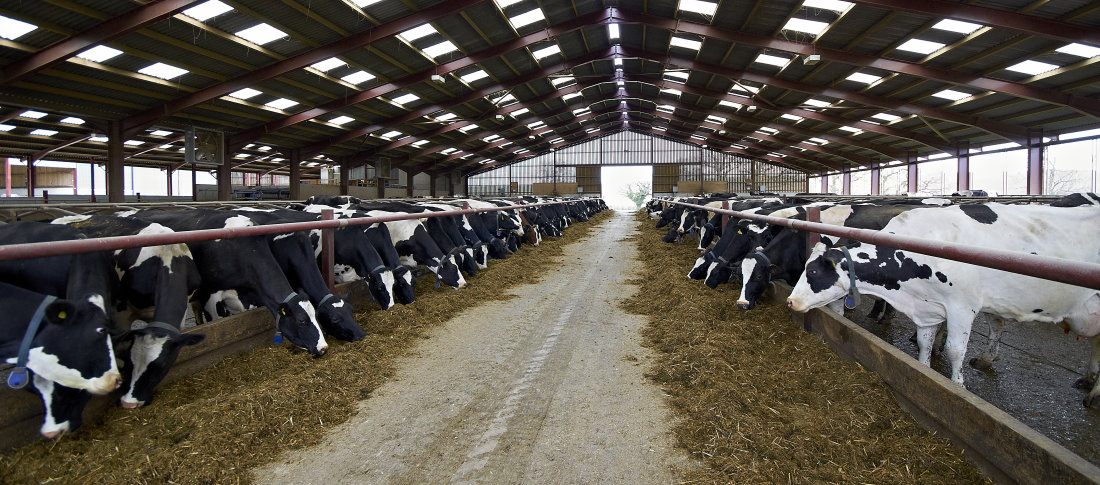
This and larger seems to be the future. (Photo internet reproduction)

“This phenomenon is also occurring in Argentina, but fortunately not to such a high degree. Despite the difficulties faced by Argentine producers in terms of competitiveness and much greater infrastructural deficiencies, and despite the concentration of milk production, we must praise Argentine dairy for resisting concentration so well,” the expert explained.

Although at a slower pace, the concentration of milk production in the country is in line with the international trend. Locally, 4% of dairy farms produce 24% of the milk delivered ex-farm to the dairy industry.

In June 2021 alone, about 420 farms produced an average of 17,481 liters per day. This is a very different reality from half of the dairy farms in the system: those with production between 1,000 and 2,000 liters contribute only 16.4% of national production.

STRUCTURE

“The process of concentration of production in larger dairy farms continues unabated,” OCLA said in its latest sector report, which analyzes the production structure of the local dairy industry. According to the Observatory, the trend toward dairy concentration is strong internationally.

In the United States and Europe, including the United Kingdom, it reports 4% to 5% in the disappearance of smaller farms. In Argentina, this percentage is between 2 and 3%.

In its report, OCLA pointed out that, based on the International Dairy Federation’s 2020 Wold Dairy Situation data, known by the acronym IDF/IDF, “for the main dairy countries of the world, there is an average annual decline in the number of dairy farms of more than 4%,” while milk production is growing by almost 3% annually.

This article was produced by The Rio Times’ automated newsroom system. How we use AI · Report an error

Read More from The Rio Times

The Rio Times · Power Map
See who really holds power in Latin America
Click to open the Power Map

Rotate for Best Experience

This report is optimized for landscape viewing. Rotate your phone for the full experience.