Brazil Unemployment Fell in 13 of 27 States as the National Rate Held at 5.4%
Brazil · Economy
Key Facts
- —The headline Unemployment fell in 13 of Brazil’s 27 federative units in the quarter to June 2026, IBGE said, and rose in none.
- —The national rate Joblessness held at 5.4%, the lowest for an April-June quarter since the series began in 2012.
- —Best and worst Santa Catarina had the lowest rate at 2.1%; Amapa the highest at 9.8%.
- —Biggest drops Rio Grande do Norte fell 1.9 points, Paraiba and Acre 1.6 each, and Tocantins 1.5.
- —Pay and jobs Real average income reached about R$3,738 (roughly US$720), 103.1 million people were working, and informality was 37.8%.
The map stayed lopsided: Santa Catarina’s jobless rate was just 2.1%, while Amapa’s still ran near 9.8%.
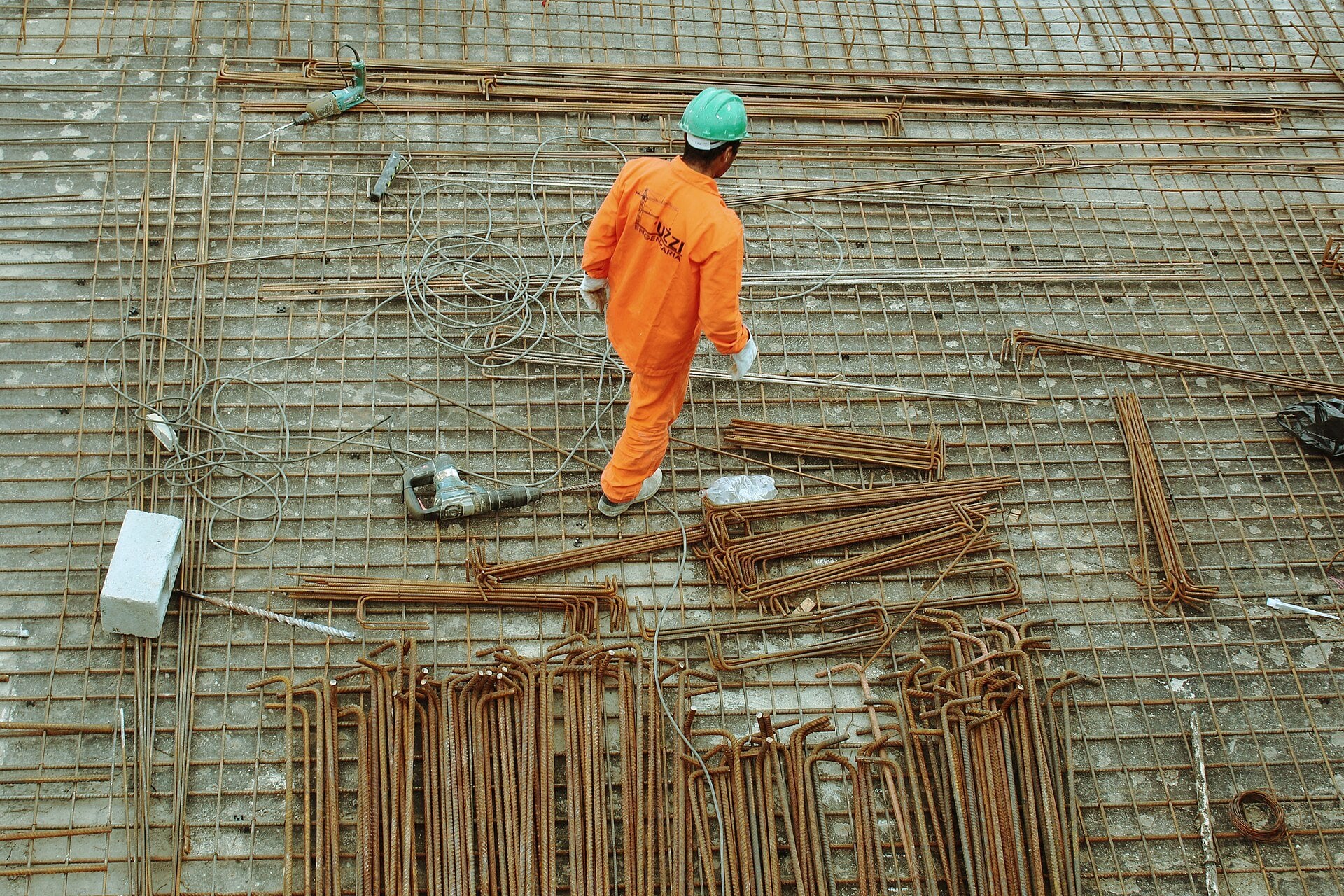
Unemployment fell across much of Brazil this spring. Dropping in 13 of the country’s 27 states and the Federal District in the quarter to June 2026.
New figures from the statistics agency IBGE, released on August 14, show the jobless rate rose in none of them. Nationally, the rate held at 5.4%, its lowest ever for that time of year.
What the new unemployment data show
Start with the big picture. In the quarter from April to June 2026.
The share of Brazilians without work but looking for it fell in 13 of 27 places. Crucially, it did not climb anywhere.
In the other 14 units, the rate held broadly steady from the first three months of the year. IBGE releases the national figure first, then breaks it down by state a couple of weeks later.
This regional cut is the one that landed on August 14.
Where the jobless rate dropped most
So which states improved fastest. The steepest fall came in Rio Grande do Norte, in the northeast, where the rate dropped 1.9 percentage points.
Close behind were Paraiba and Acre, each down 1.6 points, and Tocantins, down 1.5. In short, much of the gain was in the north and northeast.
That matters because those regions have long carried Brazil’s highest joblessness. As a result, the biggest drops landed where the need was greatest.
The best and worst states
The gap between regions stayed wide, however. Santa Catarina, in the prosperous south, posted the lowest rate in the country at just 2.1%.
At the other end sat Amapa, in the far north, at about 9.8%. So one Brazilian state runs near full employment while another sits well above the average.
For context, a 2.1% rate is lower than many rich European economies manage. Yet the two figures come from the same national labor market.
A record low for this time of year
Zoom back out to the whole country. At 5.4%, the national rate matched the number IBGE first reported in late July.
That is the lowest reading for an April-June quarter since the current survey began in 2012. In other words, this spring was the strongest on record for jobs.
Still, it helps to be precise. IBGE frames it as a record for this specific quarter.
Not as the lowest figure the country has ever seen in any period.
More people are working
Behind the falling rate is a simple driver: more jobs. Around 103.1 million people were employed in the quarter, near the highest total on record.
Because the workforce keeps growing, employers have kept absorbing new hands. Therefore the pool of people still searching has kept shrinking.
A tight labor market like this tends to give workers more bargaining power. In turn, that can push wages up over time.
Pay is edging higher
Incomes have followed the jobs, at least on paper. Real average monthly pay reached roughly R$3,738, or about US$720 at mid-August exchange rates.
That is close to the highest level the survey has captured. So workers are not just finding jobs; on average, those jobs pay a little more.
Even so, the gains are modest, and food and housing costs eat into them. As a result, many households still feel stretched despite the good headlines.
The informality catch
Now for the important asterisk. Not all of these jobs come with a signed contract, benefits or pension rights.
The informality rate stood at about 37.8%, meaning well over a third of workers sit outside the formal system. In practice, that is more than 39 million people.
Informal work counts as employment, yet it offers little security. So a low headline rate can hide real fragility underneath.
Why the regional picture matters
It is tempting to focus only on the national number. But Brazil is huge, and averages can bury enormous local differences.
A single 5.4% figure lumps together a 2.1% state and a 9.8% one. Therefore the state breakdown shows where the recovery is real and where it lags.
For a worker, what counts is the market next door, not the country as a whole. In that sense, the regional data is the more honest mirror.
What it means for ordinary Brazilians
For most families, the takeaway is cautiously good. More jobs and slightly higher pay ease the day-to-day squeeze, even if only a little.
Yet the informality gap is a warning. Because so many jobs lack protection, a downturn could hit those workers first and hardest.
For policymakers, the challenge is to turn a strong headline into steadier, better-quality work. That job is far from finished.
What to watch next
The next monthly reading will show whether the streak holds into the second half of the year. Any uptick would be the first clear signal of a turn.
Watch the informality share too, since a rising number there would dilute the good news. In addition, real income trends will tell how far pay can keep climbing.
For now, though, the direction is clear. Brazil ended the spring with more people working than at almost any time in its recorded history.
Background: our how to rent an apartment in brazil as a foreigner guide.
More: Brazil news, every day from The Rio Times.
Frequently Asked Questions
How many Brazilian states saw unemployment fall?
IBGE said the jobless rate fell in 13 of the 27 federative units in the quarter to June 2026. Held steady in the other 14, and rose in none.
What is Brazil’s national unemployment rate?
It was 5.4% in the quarter from April to June 2026. The lowest reading for that period since the PNAD Continua survey began in 2012.
Which states had the lowest and highest rates?
Santa Catarina had the lowest at 2.1%, while Amapa had the highest at about 9.8%, showing how uneven the labor market remains.
Is the falling rate entirely good news?
Not quite. Informality stood near 37.8%, so more than a third of workers still lack a formal contract, benefits or pension rights.
Connected Coverage
Sources: IBGE PNAD Continua; Metropoles; R7; Folha de S.Paulo; Agencia Brasil.
This article was produced by The Rio Times’ automated newsroom system. How we use AI · Report an error
Read More from The Rio Times