Brazil’s Catholics Divided Over New Pope as Evangelical Growth Looms
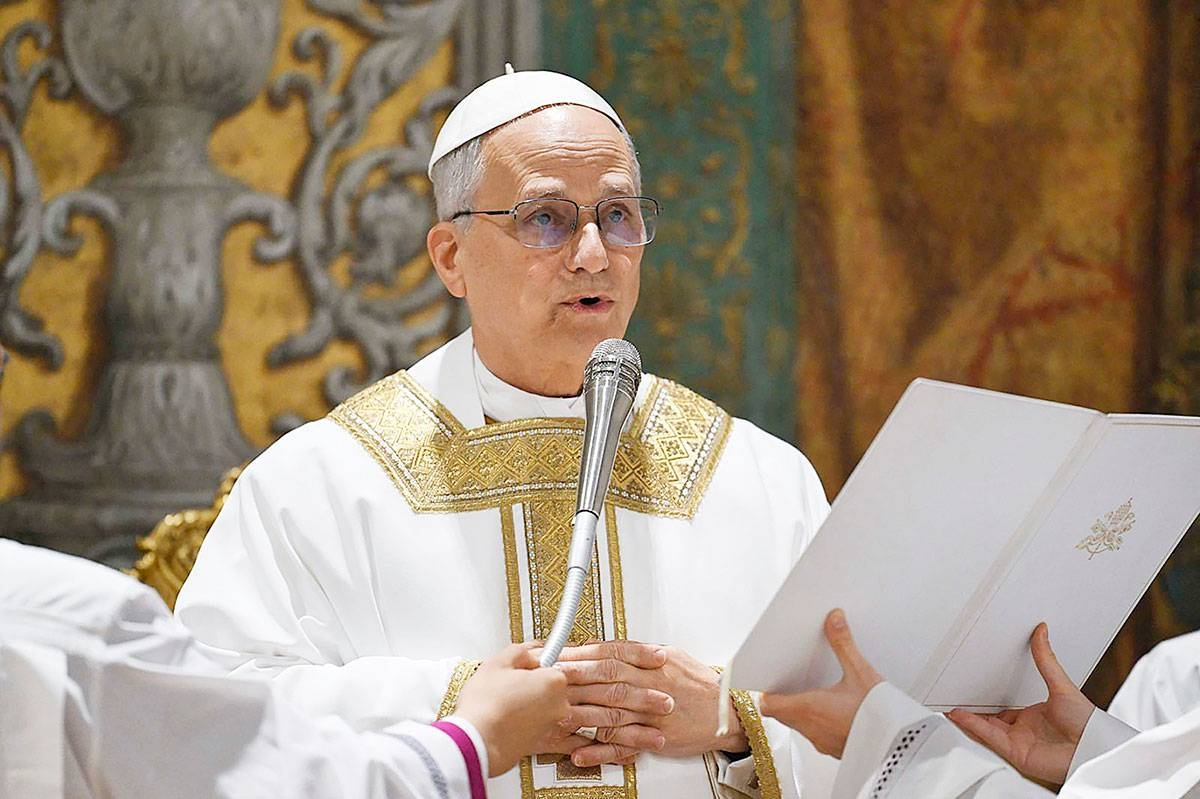
Brazil, home to 140 million Catholics (86% of its population), faces a pivotal moment under Pope Leo XIV, elected May 8, 2025. His leadership arrives as evangelicals surge to 31% of Brazilians, nearing a potential majority by 2032.
Reactions reveal a nation split between hope for Catholic renewal and fears of accelerated decline. Urban progressives and Amazonian communities applaud Leo’s environmental focus, tied to his two decades in Peru working with Indigenous groups.
His avoidance of English and Peruvian residency resonate in a region wary of U.S. influence. President Lula praised his alignment with Pope Francis’s social justice agenda, emphasizing poverty and climate ahead of COP30 in Belém.
Yet rural Catholics, often lacking regular Mass access, demand clergy visibility and doctrinal clarity. Conservative bishops criticize his silence on LGBTQ+ blessings, while progressives warn stalled reforms could push youths toward evangelical megachurches.
Deputy Lucas Bove’s dismissal of Leo as a “diplomat, not an apostle” underscores fears of institutional detachment.
The Evangelical Challenge
Evangelical growth, fueled by charismatic worship and direct social aid, thrives where Catholicism struggles. Pentecostal churches triple Catholic outreach in remote Amazon villages, combining anti-abortion rhetoric with food banks and media empires.
Over 68% of evangelicals backed Bolsonaro’s conservative policies, contrasting with younger Catholics seeking modernization. Leo’s early focus on environmental justice appeals to urbanites but risks alienating rural traditionalists wanting strict moral stances.
His planned COP30 visit offers a platform, yet priest shortages and rigid liturgies remain unresolved. Without urgent action, Brazil’s Catholic decline may accelerate, reshaping global religious dynamics.
The pope’s multicultural roots could bridge divides, but reversing evangelical momentum demands more than symbolism in the world’s largest Catholic nation.
This article was produced by The Rio Times’ automated newsroom system. How we use AI · Report an error · Editorial responsibility: Matthias Camenzind, Editor-in-Chief
Read More from The Rio Times