A Free Peruvian Coffee Festival Brings Eight Regions to Lima
Lima · Food & Drink
- Dates: Thursday, August 27 through Sunday, August 30, 2026.
- Venue: Pasaje Los Pintores, Parque Kennedy, Miraflores, Lima.
- Admission: Free, no ticket required.
- Hours: 10:00 a.m. to 9:00 p.m. daily.
- Regions: Eight coffee-growing regions, including Cusco, Junín, and San Martín.
- Activities: Tastings, latte art contests, brewing workshops, cultural shows, raffles, and a Coffee Party.
- Cost: All entry and most activities are free; coffee purchases vary by vendor.
This festival is a rare chance to meet the farmers and roasters behind Peru’s most underrated export. It’s also a chance to taste what specialty buyers pay a premium for.
Many corner cafes run on instant coffee, so this stands out.
If you live in Lima, you know the drill. You ask for a café de especialidad, and you get a decent cup.
But you rarely know where the beans came from.
That changes at the Yo Tomo Cafe Peruano festival Lima. This free four-day event in Miraflores brings eight coffee regions to Parque Kennedy.
You can wander from stall to stall. Taste Ayacucho next to Amazonas.
Watch baristas compete in latte art.
Leave with a bag of beans with the farmer’s name on it. All without spending a sol on entry.
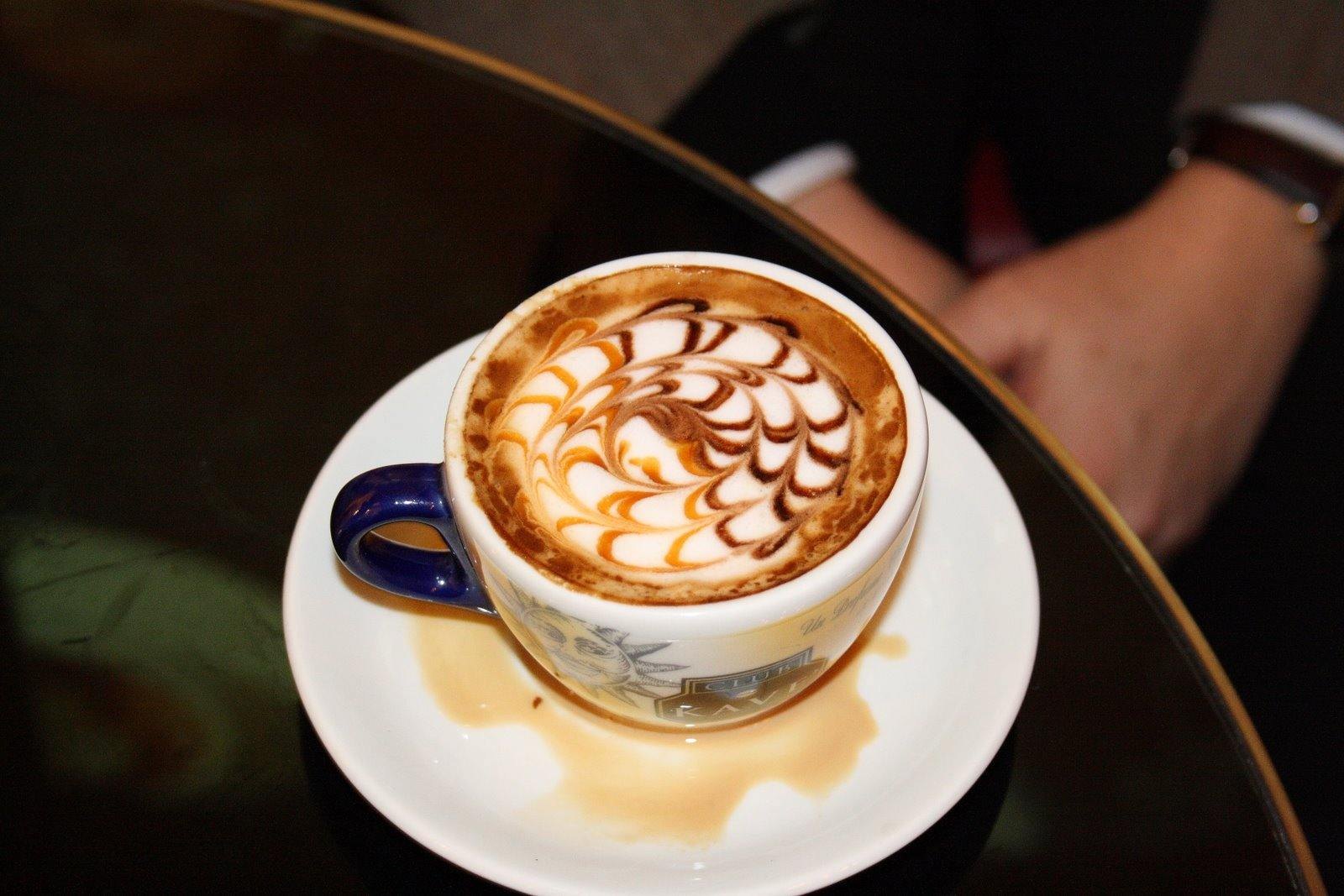
What to Expect at the Yo Tomo Cafe Peruano festival Lima
Set in the Pasaje Los Pintores, the festival turns a familiar spot into an open-air coffee lab. This pedestrian walkway runs along the side of Parque Kennedy.
From 10 a.m. to 9 p.m., you’ll find dozens of stands. They represent eight regions: Ayacucho, Amazonas, Cusco, Junín, Pasco, Puno, San Martín, and Ucayali.
That’s not just a list of names. It’s a map of Peru’s altitude, climate, and soil, all in the cup.
Expect to taste a wide range of profiles. Cusco often brings bright, citrusy beans from the Quillabamba valley.
Junín, Peru’s largest coffee region, typically offers chocolatey, full-bodied brews. San Martín, in the high jungle, tends toward floral and fruity notes.
The festival is designed for comparison. Sip a washed process from Puno, then try a natural process from Amazonas.
See how the same bean reacts to different handling.
Beyond the Cup: Workshops, Contests, and Coffee Party
The organizers packed the schedule with more than tastings. There are brewing method demonstrations — pour-over, French press, siphon, and cold brew.
You can ask questions in Spanish or English, depending on the barista. Latte art contests happen throughout the weekend.
Baristas from Lima’s top cafes compete for bragging rights. You can watch, cheer, and maybe pick up a trick for your home setup.
Cultural presentations — often Andean music or dance — add a festive layer. Raffles give away bags of coffee and brewing gear.
The “Coffee Party” on the final evening is a casual gathering. Attendees mingle with producers over shared pots of coffee.
A DJ or live acoustic set often plays in the background. It’s a low-key way to end the weekend, and it’s all free.
Why This Matters for Expats and Nomads in Lima
For anyone in Latin America, coffee is more than a morning ritual. It’s an economic engine and a cultural connector.
Peru is one of the world’s top coffee exporters. Yet most of its best beans are shipped abroad, leaving locals with generic blends.
This festival is a direct counter to that trend. It connects you to the people who grow the coffee, not just those who sell it.
For expats, it’s also a practical networking opportunity. You’ll meet cafe owners, roasters, and importers looking for English-speaking collaborators.
They often need help with marketing, logistics, or content creation. Living in Lima means dealing with inconsistent quality.
This festival gives you a reliable reference point. Taste what good Peruvian coffee actually is, and learn the names of regions and producers.
Then seek those out in the city’s growing specialty cafe scene. It’s also a reminder that Peru’s diversity extends far beyond Machu Picchu.
Eight regions in one park is a crash course in geography. You get to drink your way through it.
Practical Tips for Attending the Yo Tomo Cafe Peruano festival Lima
Go early on a weekday if you can. Thursday and Friday mornings are quieter, so you’ll have more time to talk to producers.
Bring cash in soles — some vendors accept cards, but many small farmers prefer cash. Prices for bags typically range from 15 to 40 soles (US$4 to US$11).
Premium lots can go higher. Tastings are free, but pace yourself.
Drink water between samples.
Parque Kennedy is easy to reach by Metropolitano (the Estación Benavides stop is a short walk) or by taxi. If you’re driving, parking in Miraflores on a weekend is a challenge.
Consider ride-sharing or public transport. The festival runs rain or shine — August in Lima is winter, so bring a light jacket and expect overcast skies.
Remember: the event is free, but the coffee is not. Budget for a few bags to bring home, because you will want to.
Frequently Asked Questions
Is the Yo Tomo Cafe Peruano festival Lima really free?
Yes, entry is completely free. All tastings, workshops, contests, and cultural presentations are included.
You only pay if you buy coffee beans or food from the vendors.
Where exactly is the festival held?
It’s in the Pasaje Los Pintores, the pedestrian walkway on the side of Parque Kennedy in Miraflores. Look for the stalls and banners; you can’t miss it.
Can I buy coffee to take home?
Yes, most producers sell bags of their beans. Prices vary by region and quality, but expect to pay around 15 to 40 soles (US$4 to US$11) for a 250-gram bag.
Some premium lots cost more.
Connected Coverage
Sources: Infobae Perú, Inforegión
This article was produced by The Rio Times’ automated newsroom system. How we use AI · Report an error
Read More from The Rio Times