Cape Verde President Neves Seeks a Second Term
CAPE VERDE · ELECTION
Key Facts
- —What happened President José Maria Neves announced on 14 September 2026 in Praia that he will seek a second term.
- —When the vote is 15 November 2026.
- —Who he is President since 2021, and before that prime minister from 2001 to 2016. He is the longest-serving head of government in the country’s democratic history.
- —Who is standing in Janira Hopffer Almada, president of the National Assembly, takes over as interim head of state. She is the first woman ever to hold the office.
- —Who else is running Janine Lélis, minister of state for defence and territorial cohesion, and Joana Rosa, minister of justice.
- —What changed this year His own party won the May parliamentary election, so the cohabitation that defined his first term has ended.
Cape Verde’s president stepped aside on Monday to run for re-election. A woman is running the country in the meantime, for the first time.
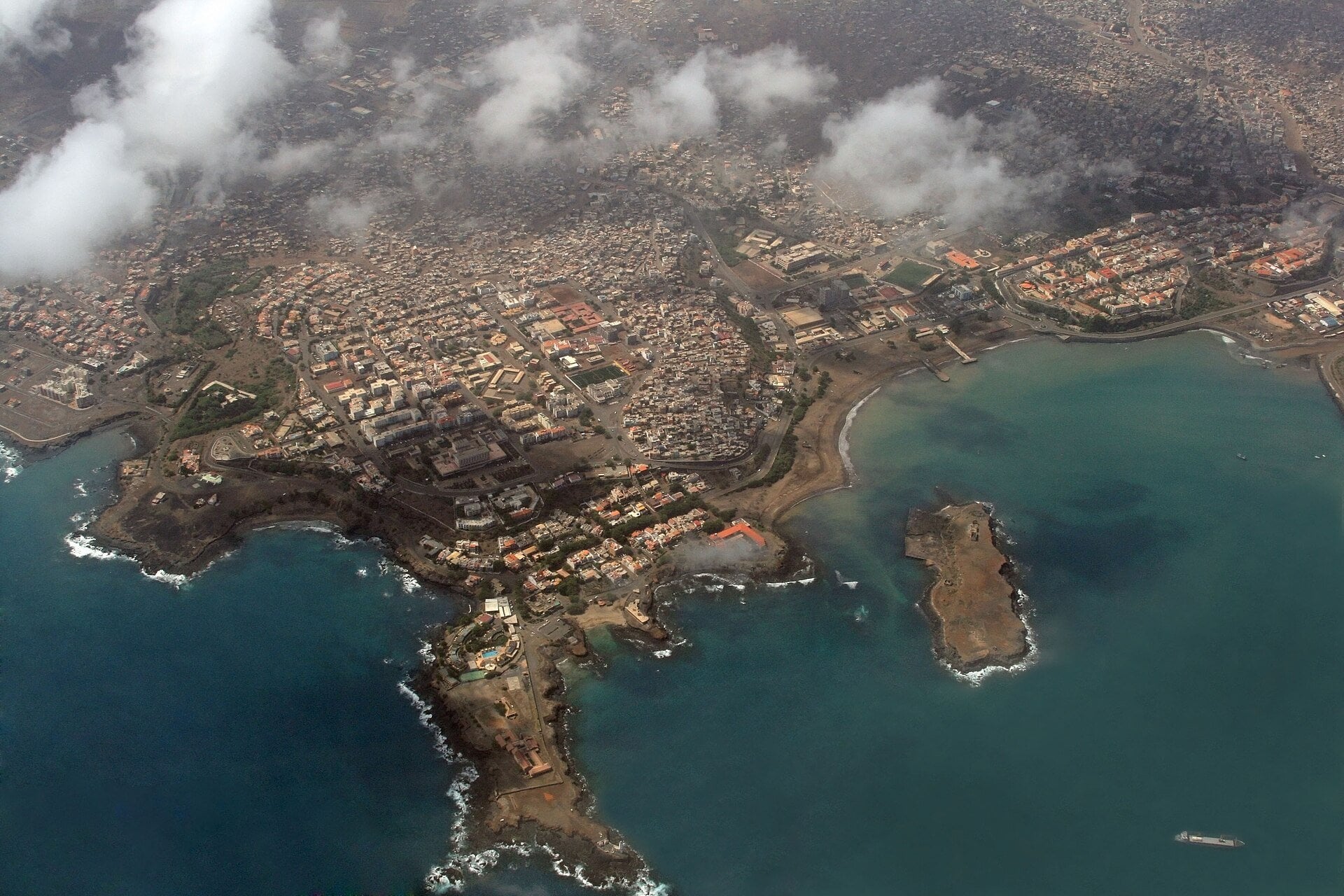
President José Maria Neves announced in Praia on 14 September 2026 that he will seek a second term. Cape Verde votes on 15 November.
The Announcement
Neves declared in Praia on Monday 14 September. He said he was announcing his candidature for a second mandate as President of the Republic of Cabo Verde.
He would put the experience he has gained at the service of the future, he said. The aim, in his words, is a victorious and prosperous nation.
His campaign team includes Mário Lúcio Sousa as national campaign manager, with Lúcia Fortes on women’s outreach and Viviane Brito on youth.
The African Party for the Independence of Cape Verde, which he once led, formally endorsed his re-candidacy the following day.
A Woman Runs the Country
Cape Verdean presidents suspend their mandate when they campaign, and Neves did so immediately.
Janira Hopffer Almada, elected president of the National Assembly on 18 June 2026, takes over as interim head of state.
She is the first woman ever to hold the Cape Verdean presidency, even on an interim basis.
She will hold it until the November result is declared.
Who He Is
Neves was prime minister from 2001 to 2016, across three terms.
He won the presidency in 2021 in the first round, with just over 51%.
Cape Verdean presidents cannot formally belong to a party while in office, though parties endorse them. His own background is in the African Party for the Independence of Cape Verde.
The office is largely ceremonial, with reserve powers over dissolution and the promulgation of laws.
The Cohabitation Ended in May
For most of his term Neves faced a government from the rival Movement for Democracy, an arrangement Cape Verdeans call cohabitation.
That ended on 17 May 2026, when his own party won 37 of the 72 parliamentary seats.
The Movement for Democracy fell from 38 seats to 33, and Francisco Carvalho replaced Ulisses Correia e Silva as prime minister.
Neves is therefore running as an incumbent aligned with the government rather than as a counterweight to it.
The Field
Two ministers from the outgoing administration have declared against him.
Janine Lélis has been minister of state for defence and territorial cohesion since 2021.
Joana Rosa has been minister of justice over the same period.
Neves faces no serious challenge from within his own camp.

Why the Presidency Matters Here
Cape Verde is a ten-island archipelago of around half a million people, 570 kilometres off the West African coast.
It has held peaceful, competitive elections since 1991 and ranks among Africa’s most stable democracies.
The president is the guarantor of the constitution and the arbiter when parliament and government disagree.
With one party now holding both the presidency and the government, that arbitration role becomes less contested and, to some, less necessary.

What the Country Runs On
Tourism, remittances from a diaspora larger than the resident population, fisheries and external financing.
It imports most of what it eats and all of its fuel, which makes it acutely exposed to shipping and energy prices.
Its strategic position in the mid-Atlantic has drawn security and infrastructure interest from Europe, the United States and China.
Whoever wins in November inherits those same constraints, because the presidency does not set economic policy.
What to Watch
Whether further candidates declare before nominations close.
Whether Neves wins in the first round, as he did in 2021.
Turnout, which in Cape Verdean presidential elections has run well below parliamentary turnout.
And how Janira Hopffer Almada’s interim tenure is received, since it is a first for the country.
More: Africa news and analysis, every day from The Rio Times.
Frequently Asked Questions
Who is running for president of Cape Verde?
Incumbent José Maria Neves, who declared on 14 September 2026, along with ministers Janine Lélis and Joana Rosa.
When is the election?
15 November 2026.
Who is acting president?
Janira Hopffer Almada, president of the National Assembly, the first woman ever to hold the office in Cape Verde.
Why is there an acting president?
Cape Verdean presidents suspend their mandate while campaigning. Neves did so on declaring.
Has the political balance changed?
Yes. The African Party for the Independence of Cape Verde won 37 of 72 seats in May 2026. That ended the cohabitation of Neves’s first term.
How powerful is the presidency?
Largely ceremonial, with reserve powers over dissolution and the promulgation of laws.
Sources: Expresso das Ilhas, Africanews, Assembleia Nacional de Cabo Verde, Comissão Nacional de Eleições.
This article was produced by The Rio Times’ automated newsroom system. How we use AI · Report an error
Read More from The Rio Times