Chile Growth Forecast Halved as the Central Bank Turns on Investment
CHILE · ECONOMY
Key Facts
- —The cut The 2026 growth range falls to 0.25-0.75 percent from the 1.0-1.75 percent published in June.
- —The investment line Fixed capital formation is now projected to contract 0.3 percent this year, against 2.2 percent growth before.
- —The consumption line Consumption growth is cut to 1.7 percent from 2.2 percent.
- —The reasons Weaker demand, adverse weather hitting several sectors this quarter, and lower mining output.
- —The catch A midpoint of half a percent leaves almost no margin between slow growth and none.
- —The rate The policy rate was held unanimously at 4.5 percent at the September meeting.
The central bank’s September report puts 2026 growth at 0.25 to 0.75 percent. In June it was saying 1.0 to 1.75, and investment was supposed to grow.
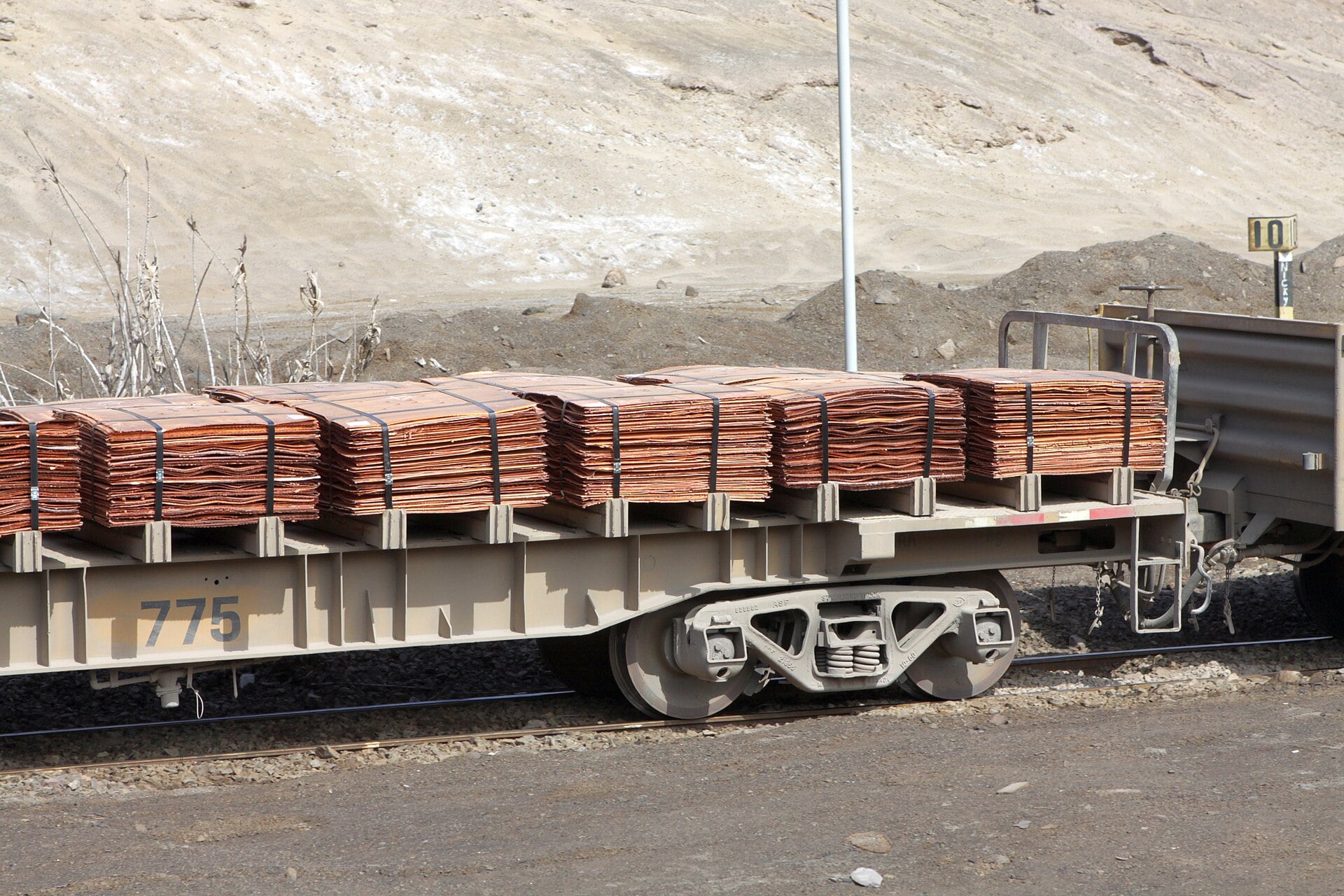
The Chile growth forecast for 2026 has been cut to a range of 0.25 to 0.75 percent. The central bank’s previous published range was 1.0 to 1.75 percent.
The revision appears in the September Monetary Policy Report, the quarterly document the bank uses to set out its central scenario. The June edition carried the higher range.
That is not a marginal adjustment. The midpoint falls from about 1.4 percent to about 0.5 percent.
The Investment Number Is the One That Matters
Gross fixed capital formation is now projected to contract 0.3 percent in 2026. The June report had it growing 2.2 percent.
A swing of that size in a single quarter is unusual. Investment forecasts move slowly because the projects behind them take years.
Consumption was also cut, to 1.7 percent from 2.2 percent. That revision is smaller and less alarming.
Falling investment and slowing consumption together describe an economy where nobody is committing. Households defer purchases and firms defer projects.
What the Bank Blamed
The report gives three reasons for the downgrade. They are weaker demand, adverse weather affecting several sectors during the current quarter, and lower mining production.
Only one of those is temporary in an obvious way. Weather passes, and quarters affected by it usually recover in the following one.
Mining output is the harder problem. Chilean copper production has been constrained by ore grades and water access for several years.
Weak demand is the reason with the longest tail. It is also the one monetary policy is supposed to address.
Why the Central Bank Is Not Cutting
The policy rate stands at 4.5 percent. The board held it unanimously at the September meeting.
That looks odd next to a halved Chile growth forecast. The explanation is on the other side of the mandate.
Annual inflation reached 4.1 percent in August, above the 3 percent target. Monthly inflation came in at double what forecasters expected.
A central bank facing weak growth and rising prices cannot solve both with one instrument. Holding is what that dilemma looks like in practice.
The Recovery Is Pushed Out
The report projects growth of 2 to 3 percent in 2027. For 2028 the range is 2.25 to 3.25 percent.
Those are unremarkable numbers for Chile, which is the point. The bank is not forecasting a slump, it is forecasting a lost year.
The 2026 downgrade is concentrated in the first part of the year, according to the bank’s own summary. Activity is expected to resume faster expansion from 2027.
Forecasts that push the recovery into the following year deserve scepticism. They are also, often enough, correct.
What It Means for the Government
President José Antonio Kast took office in March and is six months into the term. This is the first full central bank scenario published under it.
The government presented a capital markets and housing reform this week. Its stated aim is to widen access to mortgage credit.
That is a supply-side response to a demand problem, and it will not move 2026. Reforms of this kind are measured in years.
The political cost of a growth downgrade is smaller than the cost of an inflation surprise. Chile currently has both.
What to Watch
The first marker is the fourth quarter. If the weather effect was real, the rebound should be visible in monthly activity data by December.
The second is copper. Mining output is the variable with the largest single effect on the Chile growth forecast.
The third is the next inflation print. Two consecutive surprises would force the rate decision the bank has so far avoided.
The fourth is investment intentions. A contraction of 0.3 percent is shallow enough to reverse quickly, and shallow enough to deepen.
More: Chile news in English, every day from The Rio Times.
Frequently Asked Questions
What is Chile’s growth forecast for 2026?
The central bank’s September 2026 Monetary Policy Report puts GDP growth at 0.25 to 0.75 percent, revised down from the 1.0 to 1.75 percent range published in June.
Why was the forecast cut?
The bank cited weaker demand, adverse weather affecting several sectors during the current quarter, and lower mining production. It also now projects fixed capital formation contracting 0.3 percent in 2026, against 2.2 percent growth in the June report.
Is the central bank cutting interest rates?
Not at the September meeting. The board held the monetary policy rate at 4.5 percent unanimously. Annual inflation reached 4.1 percent in August, above the 3 percent target, which limits room to ease.
Sources: Banco Central de Chile Monetary Policy Report September 2026, Banco Central de Chile September monetary policy meeting statement, Rio Times.
This article was produced by The Rio Times’ automated newsroom system. How we use AI · Report an error
In depth
Read More from The Rio Times