Colombia Puts Three Clan del Golfo Bosses Back on the Wanted List
COLOMBIA · SECURITY
Key Facts
- —The group The Clan del Golfo, Colombia’s biggest armed criminal organisation, built on cocaine, illegal gold and extortion.
- —The old policy The previous government talked to it, and suspended arrest warrants so its leaders could negotiate.
- —What changed The new president ended the talks on 11 September.
- —What followed within hours Prosecutors reactivated the arrest warrants against three of those negotiators.
- —The men Known in the trade as Rodrigo Flechas, El Cura and Bruno.
- —The president’s words The false peace is over.
For three years, three men wanted for serious crimes were legally untouchable because they were sitting at a negotiating table. On Friday the table was removed.
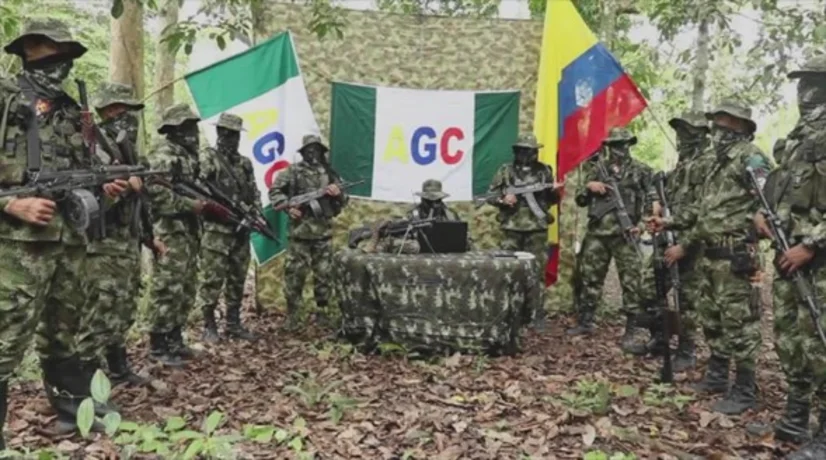
Colombia has reactivated arrest warrants against three senior figures in its largest criminal organisation. The peace talks that protected them ended hours earlier.
How Three Wanted Men Became Untouchable
Colombia has a mechanism that lets a government talk to armed groups without arresting the people it is talking to.
A member is formally designated a spokesman or representative. While that designation holds, his arrest warrant is suspended.
Gustavo Petro’s government used it widely under a policy it called total peace, opening simultaneous negotiations with several groups.
Three Clan del Golfo figures were designated under it. Orolzman Osten Blanco, known as Rodrigo Flechas. Elkin Casarrubia Posada, known as El Cura. And Luis Armando Pérez Castañeda, known as Bruno or Jerónimo.
Two Signatures on One Day
On 11 September the new president signed a resolution terminating the negotiations.
Attorney General Luz Adriana Camargo signed her own resolution the same day, reactivating the three warrants.
The second could not happen without the first. The suspension exists only for as long as the talks do.
Abelardo De la Espriella, who took office in August promising to end his predecessor’s approach, summarised it in four words. The false peace is over.
Who the Clan del Golfo Are
The group grew out of the paramilitary structures that demobilised in the mid-2000s, and it never really stopped operating.
It moves cocaine, runs illegal gold mines and extorts businesses across the north of Colombia and along the Caribbean coast.
It calls itself the Autodefensas Gaitanistas de Colombia, a political-sounding name the state does not use. Officials and most Colombians call it the Clan del Golfo.
Its inclusion in peace talks was contested from the beginning, because it is a criminal enterprise rather than a political insurgency.
What Actually Changes
Less, in the short term, than the announcement suggests. A reactivated warrant is an instruction to capture, not a capture.
None of the three is in custody, and no operation against them has been announced.
What has changed is their legal position. Nobody in the leadership is now shielded by negotiator status.
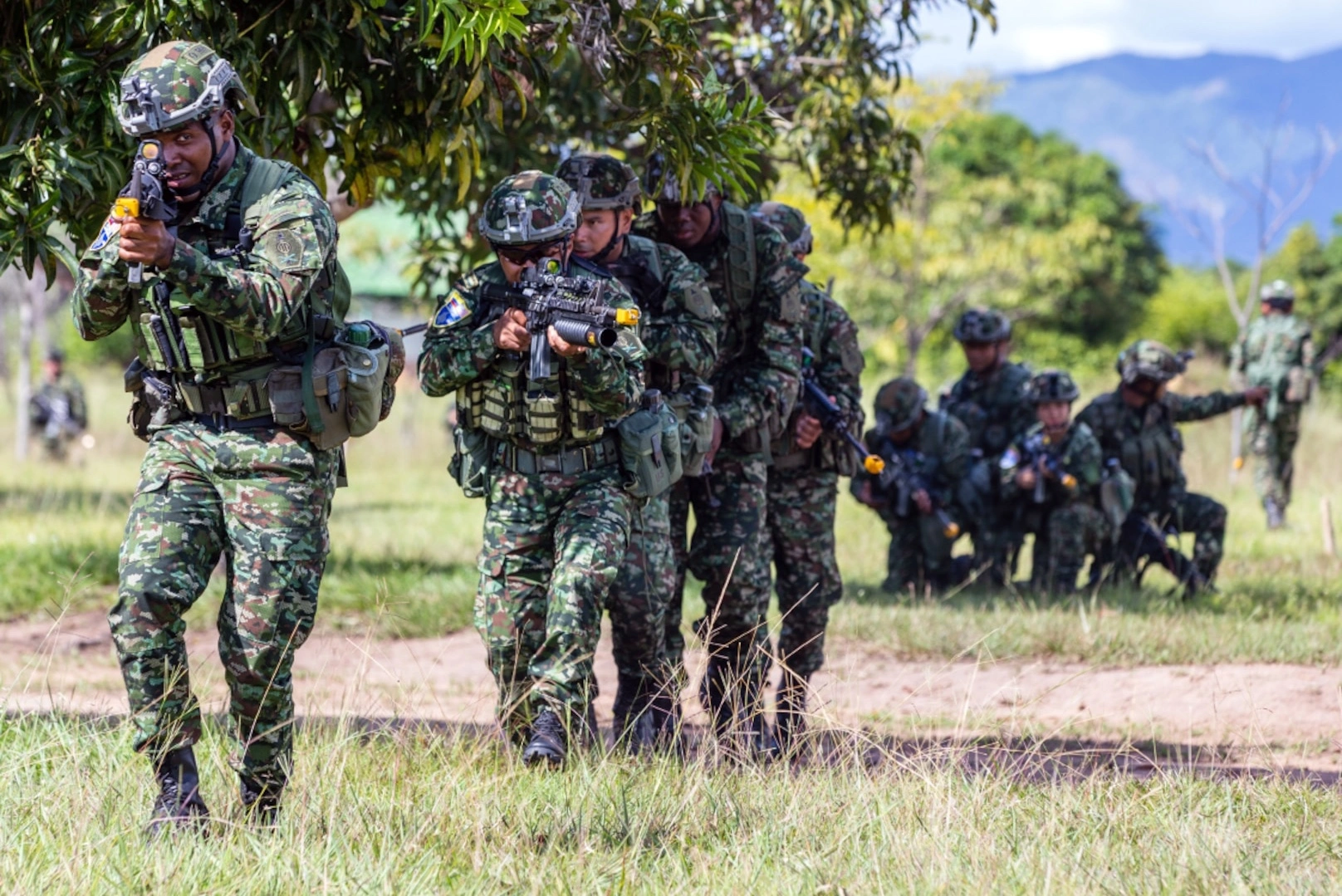
For people living in Antioquia, Córdoba and the Caribbean departments, the pattern after decisions like this is familiar. More military pressure, and often more violence.
The End of Total Peace
The previous government’s approach rested on a bet that several armed groups could be brought in at once.
The current government has been dismantling it since August. Delegations with other groups have already been revoked.
This is the sharpest step so far. It turns a disagreement about policy into a change of legal status for named men.
Neither the Clan del Golfo nor any of its former negotiators has responded in public.
The Number to Keep Straight
Three warrants were reactivated. The resolution names three men and no more.
A figure of 29 also circulates in Colombian coverage. It comes from the opposite direction and the opposite government.
Under Petro, the state asked prosecutors to lift warrants against 29 Clan del Golfo members so they could take part in talks.
One is a request to suspend, made three years ago. The other is a reactivation, signed on Friday.
More: Colombia news and analysis, every day from The Rio Times.
Frequently Asked Questions
What is the Clan del Golfo?
Colombia’s largest armed criminal organisation, built on cocaine trafficking, illegal gold mining and extortion.
How many warrants were reactivated?
Three, under a resolution signed on 11 September 2026.
Who are the three men?
Orolzman Osten Blanco, Elkin Casarrubia Posada and Luis Armando Pérez Castañeda, known as Rodrigo Flechas, El Cura and Bruno.
Why were their warrants suspended?
They had been named negotiators in the previous government’s peace talks with the group.
Have they been arrested?
No. A reactivated warrant is an instruction to capture, not a capture.
What was total peace?
The previous government’s policy of negotiating with several armed groups at once. The current government is dismantling it.
Sources: Fiscalía General de la Nación, Presidencia de Colombia, Cambio, El País Cali, Pulzo.
This article was produced by The Rio Times’ automated newsroom system. How we use AI · Report an error
Read More from The Rio Times