Colombia’s Earthquake Death Toll Rises to 265, With 496 Missing
Colombia · Disaster
Key Facts
- Death toll President Abelardo de la Espriella reported 265 dead on 12 August 2026; counts were still being reconciled across agencies.
- Missing count Asocapitales, the association of capital cities, put the missing at 496 and the injured at 3,494.
- Quake specs Magnitude 7.4, struck 10 August 2026 at 07:34 local time, epicenter near San José del Palmar, Chocó.
- US aid The US State Department announced US$15.5 million in emergency aid and deployed search-and-rescue teams.
- Economic move President de la Espriella declared an economic emergency and promised an emergency reconstruction fund.
- City support Bogotá’s mayor announced six donation collection points for relief efforts.
The official numbers keep shifting, but the human and economic toll is already clear. For anyone watching Latin America, this is a test of how fast a middle-income nation can rebuild when the ground itself gives way.
If you’ve been following the news out of Colombia this week, you already know the Colombia earthquake death toll is climbing. But here’s what matters for you, whether you live in Bogotá, Medellín, or are just watching from abroad: the official numbers are still moving, the government has declared an economic emergency, and US aid is now on the ground. The quake that hit Chocó on 10 August 2026 has become a regional event with national consequences, and the recovery will shape Colombia’s budget, infrastructure priorities, and disaster preparedness for years.
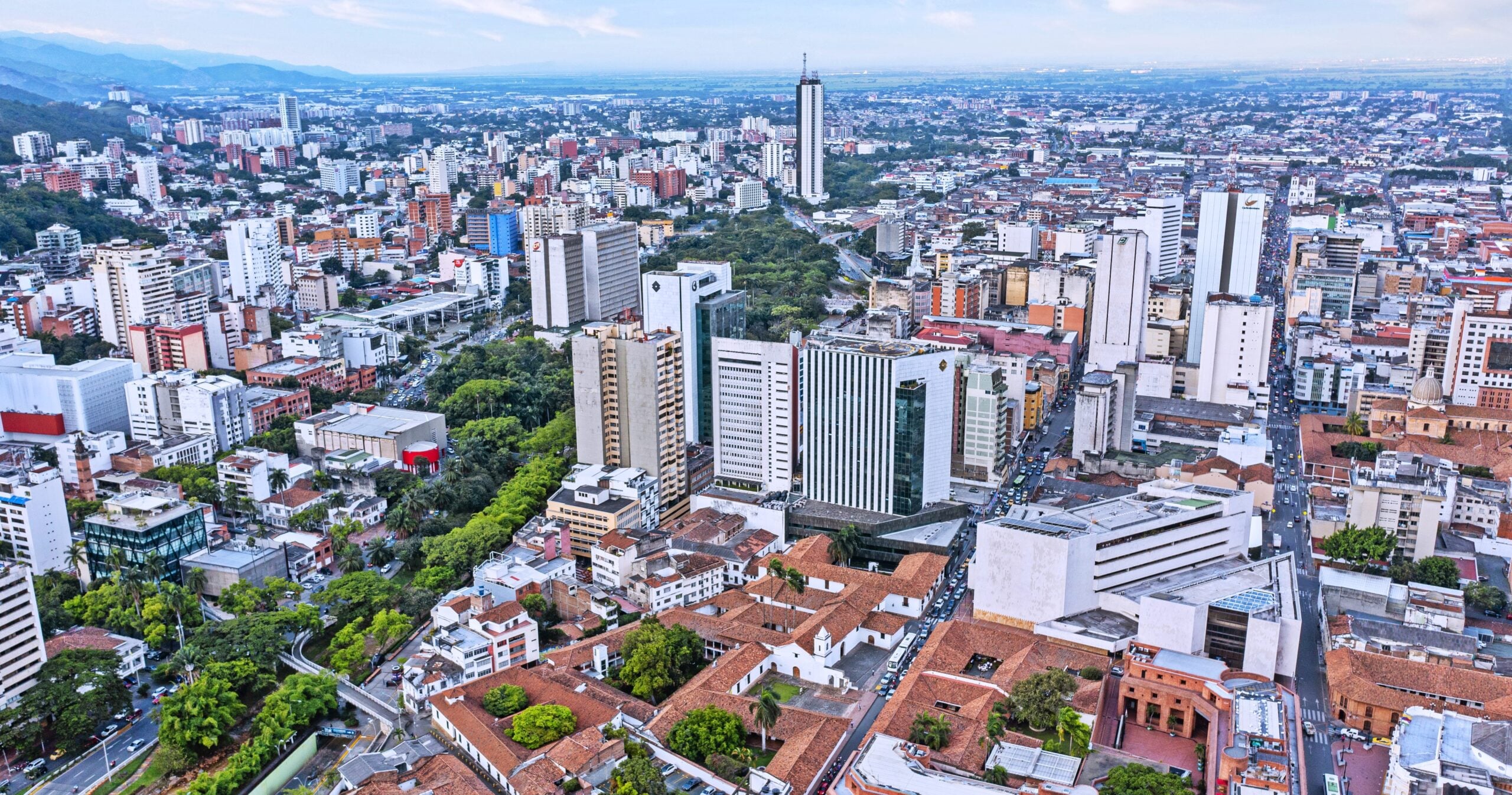
The Colombia Earthquake Death Toll, Still Being Counted
President Abelardo de la Espriella put the Colombia earthquake death toll at 265 on 12 August, with 496 people missing and 3,494 injured. That sounds precise, but it isn’t final. Around the same time, UNGRD’s own consolidated report for 12 August gave 240 dead and 2,595 injured, while press consolidations paired 239 dead with more than 3,700 injured, while an earlier city-level tally had 254 deaths, including 101 in Pereira and 95 in Cali. Those gaps are not a reporting failure. They reflect the reality of a disaster zone where communication lines are down, rural areas are hard to reach, and local authorities are still cross-checking names.
For context, the quake was a magnitude 7.4 that struck at 07:34 local time on 10 August, with its epicenter near San José del Palmar in Chocó. That’s a remote, mountainous region, which makes rescue and counting slower. The differences between agency numbers are normal in the first 72 hours, but they also mean the final toll could go higher. If you are in Colombia, or have family there, do not treat the latest figure as the last word.
US Aid and the Political Response
The US State Department has announced US$15.5 million in emergency aid for Colombia and deployed search-and-rescue teams to assist local efforts. That announcement was attributed to the State Department and Secretary Marco Rubio, not to a personal pledge by President Trump. The aid package is meant to support immediate rescue operations, medical care, and logistics in the affected areas. For a disaster of this scale, international help matters, but it is only part of the picture.
President de la Espriella has declared an economic emergency, a legal mechanism that allows the government to bypass certain budget restrictions and move funds quickly. He also promised an emergency reconstruction fund, though the details of how it will be financed and managed have not been fully laid out. The economic emergency is a signal that the government expects this to be a long recovery, not a short-term cleanup. For investors and expats, that means construction, logistics, and public infrastructure spending in Colombia may see a shift in priorities over the coming months.
What This Means for the Region
Colombia is not a poor country, but it is also not a rich one. A disaster like this hits hardest in places like Chocó, one of the country’s most neglected regions, where poverty rates are high and infrastructure is thin. The economic emergency gives the central government more flexibility, but it also means public funds will be redirected. That could delay other projects, strain local budgets, and test the government’s ability to deliver aid without corruption or delays.
For anyone living in or invested in Latin America, this is a reminder that natural disasters do not respect borders. Supply chains, remittances, and regional trade can all be affected when a major economy like Colombia takes a hit. The quake also puts pressure on neighboring countries to offer support, and it highlights the need for better disaster preparedness across the region. The US aid package is welcome, but it is a drop in the bucket compared to what reconstruction will cost.
How to Help and What to Watch
Bogotá’s mayor has announced six donation collection points in the capital for those who want to contribute. That is a concrete, verified way to help if you are in the city. Beyond that, the best thing you can do is stay informed and be patient with the numbers. Official counts will keep changing as rescue teams reach more areas and as local governments reconcile their records with national agencies.
Watch for updates from the UNGRD and the president’s office in the coming days. The economic emergency declaration is likely to be followed by more specific policy measures, including how the reconstruction fund will work and where the money will come from. For now, the Colombia earthquake death toll is a moving target, but the need for support is not. If you are in the region, check in with local authorities before donating or volunteering, and be ready for a recovery that will take months, not weeks.
Frequently Asked Questions
How many people died in the Colombia earthquake?
President Abelardo de la Espriella reported 265 dead on 12 August 2026, with 496 missing and 3,494 injured. However, other agencies reported different numbers on the same day, so the official count is still being reconciled.
Where was the epicenter of the earthquake?
The magnitude 7.4 quake struck on 10 August 2026 at 07:34 local time, with its epicenter near San José del Palmar in Chocó, a remote and mountainous region.
Is the US providing aid to Colombia?
Yes. The US State Department announced US$15.5 million in emergency aid and deployed search-and-rescue teams. The announcement was attributed to the State Department and Secretary Marco Rubio.
Connected Coverage
Sources: Presidency of Colombia (President Abelardo de la Espriella, 12 August 2026); France 24; AFP; El Colombiano; Xinhua; US Department of State.
This article was produced by The Rio Times’ automated newsroom system. How we use AI · Report an error
Read More from The Rio Times