Colombia Security Package Would Let Police Enter Universities
COLOMBIA · POLITICS
Key Facts
- —What happened Colombia’s president announced a plan to let police enter public universities during violent protest.
- —Who announced it Abelardo De la Espriella, president since 7 August, spoke to the nation on Sunday evening.
- —Why it matters to you Public universities in Colombia govern themselves under a constitution that never says when police may enter.
- —The catch This is a speech. The decrees that would give police the power have not been published.
- —Who it hits Students, protest organisers and taxpayers facing a tighter 2027 budget built heavily on borrowing.
- —What comes next Congress debates the 2027 budget, and the universities have not yet answered the president.
A Colombia security package would send the National Police into public universities when protests turn violent. The decrees that would allow it have not been published.
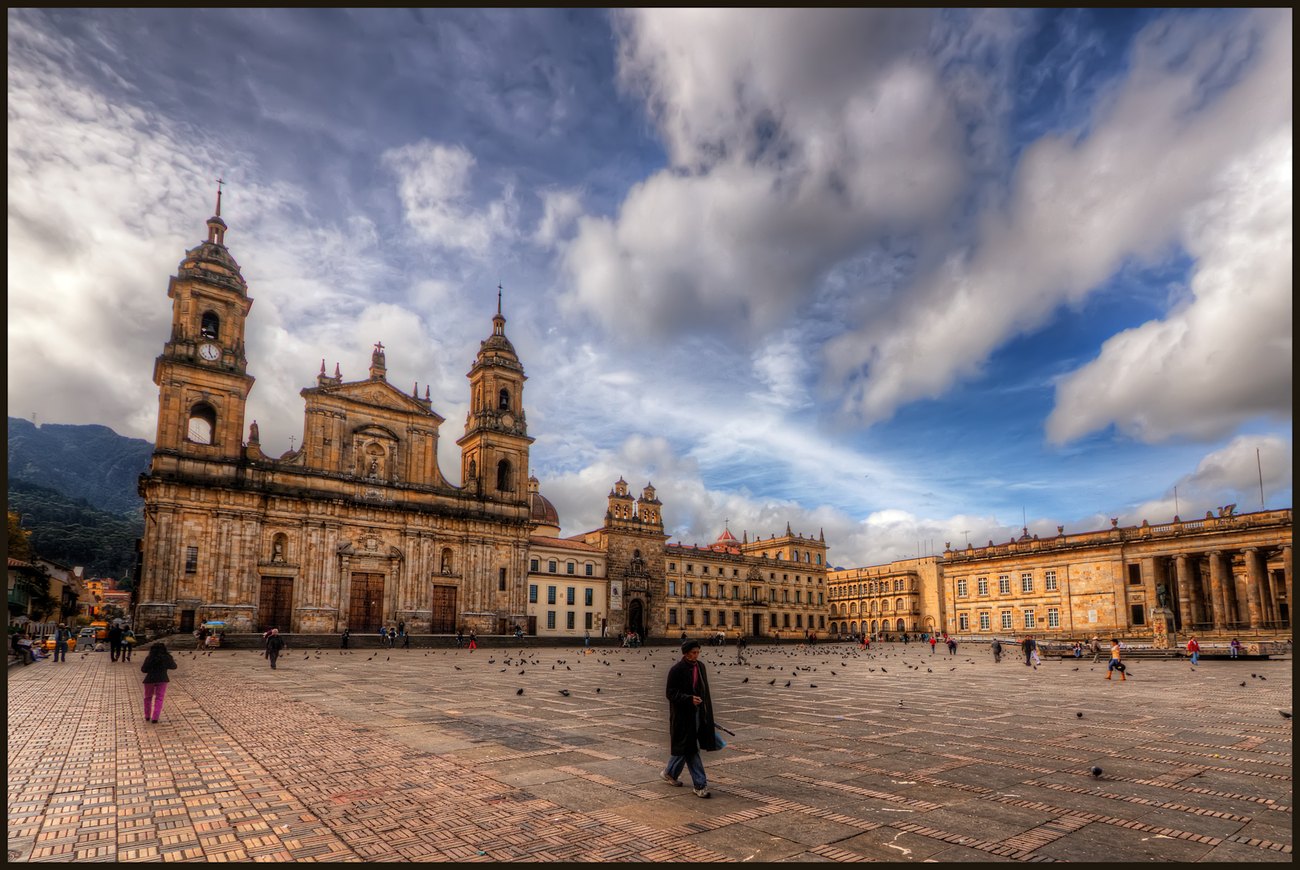
The Universidad Nacional in Bogota ordered its campus emptied at six on Friday evening. Two days later a Colombia security package proposed sending the police in instead.
Friday on the campus, Sunday on television
A march bound for the United States embassy passed through the state-run Universidad Nacional on Friday, 11 September. Blu Radio reported damage to the campus newspaper library.
The university told everyone to leave from six that evening. It emptied its own grounds rather than call anyone in.
On Sunday, 13 September, President Abelardo De la Espriella spoke to the nation for almost an hour. Blu Radio counted nine announcements, from public finances to policing.
It was his third address since he took office on 7 August. The second came on 30 August.
The centrepiece was a protocol for violent protest inside public universities. He said the National Police would be the first operational authority to respond.
He told viewers that university autonomy “is not a licence for impunity”. He would pursue offenders “even entering the universities” to remove them.
Other announcements covered a United States consulate in Barranquilla and special mining and tax rules for Choco. He also pushed back on court limits on air strikes.
What Article 69 says, and what it leaves open
Article 69 of the Constitution guarantees university autonomy in Colombia. Universities choose their own leaders and run by their own statutes.
That wording does not say police may never enter a campus. It also does not say when they may.
De la Espriella went at the gap directly. Autonomy, he said, “is not above public order”, and campuses are not territory removed from the law.
By Monday morning the rectors had not answered him. Students and opposition parties had stayed quiet as well.
He says campuses shelter violence and terrorism. That accusation rests on his word, and no decree yet turns any of it into police powers.
The numbers the president brought with him
De la Espriella said there had been 17,147 arrests since 7 August, his first day in office. The figure is his own, reported by Blu Radio.
He said six criminal ringleaders had been killed and 19 of their members captured in 36 days. He named the dead men by their aliases.
These are government counts. No breakdown by crime or by region came with them, and outside monitors have not confirmed the totals.
A second government count circulated the same day. Infobae reported his own social media tally of more than 18,000 arrests.
His government has also stepped up extraditions. That count stood at 73 in his first five weeks.
A budget he calls the budget of truth
De la Espriella blamed the outgoing Petro government for the state of public finances. He called it the most complex fiscal crisis in Colombia’s republican history.
He said 281 trillion pesos (about US$90.5 billion) of the 2027 budget would come from borrowing. That is about 44 percent of a budget he put near 635 trillion pesos (about US$204.5 billion).
He calls that budget a “presupuesto de la verdad”, or budget of truth. It carries an austerity effort of about 17.4 trillion pesos (about US$5.6 billion).
Within the plan, 3 trillion pesos (about US$966 million) comes off goods and services. The same budget adds 700 billion pesos (about US$225 million) for public higher education.
These are the president’s figures and his framing. Petro and his former ministers had not answered them by Monday morning.
Dollar figures use the rate of 3,105.8 pesos to the US dollar on 14 September 2026. That rate comes from open.er-api.com.
What changes for students, marchers and taxpayers
Students at public universities could find police on their grounds during disturbances. On Friday the university chose evacuation instead.
Protest organisers will want to know where peaceful marching ends and damage begins. The promised protocol is meant to draw that line.
Taxpayers face a tighter 2027 budget that must also pay for earthquake reconstruction. The president says the squeeze will repair state finances.
Businesses will watch whether the austerity plan survives Congress. Cuts often shrink between the announcement and the vote.
Decrees, a budget fight and a missing reply
The campus protocol needs decrees before it can operate. Until they appear, it is a passage in a Sunday speech.
Congress will debate the 2027 budget and the austerity figures. The president needs support he cannot take for granted.
The argument over court limits on air strikes and crop spraying continues. He said he will use legal channels rather than confront the judges.
The universities have the next word, and Bogota expects to hear it this week. The decrees, if they come, follow after.
More: Colombia news in English, every day from The Rio Times.
Frequently Asked Questions
Can police enter universities in Colombia?
The constitution guarantees university autonomy but does not bar police from campuses. De la Espriella announced a protocol for entering public campuses during violent protest.
Who is Abelardo De la Espriella?
Colombia’s president since 7 August 2026. Sunday’s speech was his third address to the nation in 36 days.
How many arrests has De la Espriella announced?
He said 17,147 since 7 August, a figure reported by Blu Radio. Infobae reported a separate government count above 18,000 the same day.
How big is Colombia’s 2027 budget?
The president put it near 635 trillion pesos (about US$204.5 billion), with 281 trillion pesos (about US$90.5 billion) from borrowing.
Sources: Reporting by Blu Radio, EFE, La FM and La Patria. https://www.bluradio.com/politica/presidente-anuncia-medidas-ante-situacion-fiscal-vandalismo-en-universidades-y-limites-a-bombardeos-rg10 https://efe.com/mundo/2026-09-14/de-la-espriella-permite-ingreso-policia-universidades-colombia-actos-vandalicos/ https://www.bluradio.com/regiones/bogota/universidad-nacional-ordeno-desalojar-el-campus-tras-actos-vandalicos-durante-manifestaciones-rg10 https://www.lapatria.com/colombia/de-la-espriella-presento-el-presupuesto-de-la-verdad-por-635-billones-estas-son-las-cifras https://www.lafm.com.co/orden-publico/protestas-disturbios-11-de-septiembre-bogota-universidad-nacional-embajada-estados-unidos-410717
This article was produced by The Rio Times’ automated newsroom system. How we use AI · Report an error
Read More from The Rio Times