Costa Rica Emergency Declaration Is Recommended for Nine Rain-Hit Cantons
Costa Rica · WEATHER
Key Facts
- —CNE The Comisión Nacional de Emergencias recommended a national emergency declaration on 20 August 2026.
- —Cantons Nine cantons are affected: Guatuso, Turrialba, Sarapiquí, Limón, Pococí, Siquirres, Talamanca, Matina and Guácimo.
- —Shelters 1,314 people are in 23 shelters across the affected regions.
- —Evacuations Earlier, 90 people were evacuated in Valle de la Estrella, Turrialba and Matina.
- —Alerts Orange alert for the Caribbean slope and northern zone; yellow alert for central valley and Pacific areas.
The recommendation follows days of flooding and evacuations, with more than a thousand people already in shelters.
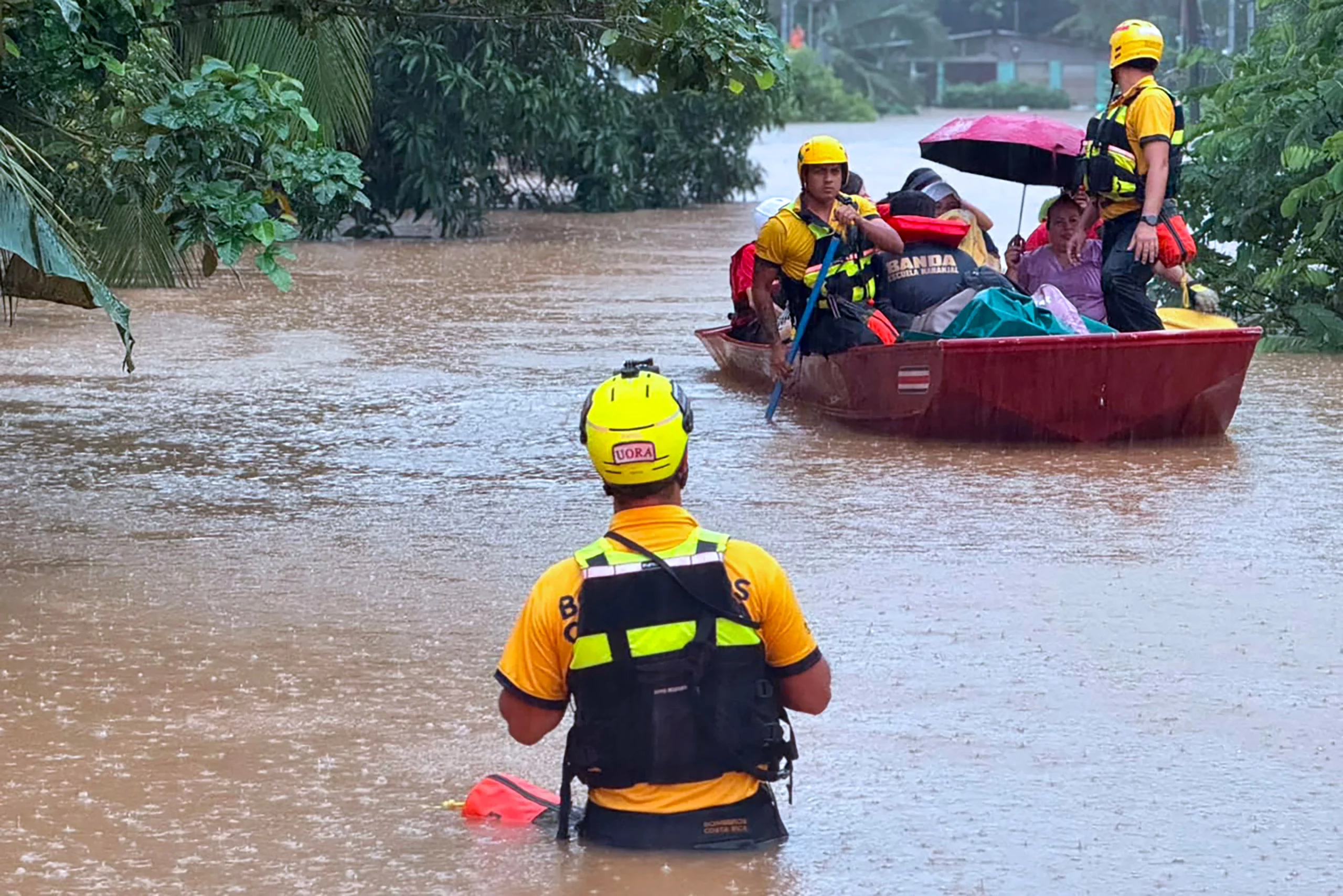
Costa Rica emergency is the focus as the national disaster agency recommends a declaration for nine rain-hit cantons. The Comisión Nacional de Emergencias, or CNE, made the recommendation on 20 August 2026 after days of heavy rain.
What the Costa Rica Emergency Would Cover
The CNE recommended declaring a national emergency in nine cantons because of rain damage. A canton is Costa Rica’s second level of local government, similar to a municipality.
The recommendation cites flooding, rivers and streams bursting their banks, and damage to roads and land access. It also mentions direct effects on homes and families, with some communities cut off.
The Nine Cantons Affected
The nine cantons are Guatuso, Turrialba, Sarapiquí, Limón, Pococí, Siquirres, Talamanca, Matina and Guácimo. These areas span the Caribbean slope and the northern zone.
For example, Turrialba and Matina were also sites of earlier evacuations. Meanwhile, Limón and Pococí are coastal areas that often face storm impacts.
People in Shelters
Across the affected regions, 1,314 people were in 23 shelters because of the rains. This shows the scale of displacement in the cantons.
In addition, 90 people were evacuated earlier in the same weather pattern. Temporary shelters opened in Valle de la Estrella, Turrialba and Matina.
Those evacuations happened before the CNE’s recommendation.
Weather Alerts in Force
An orange alert was in force for the Caribbean slope and the northern zone. A yellow alert was in place for the central valley, the central Pacific and the southern Pacific.
Therefore, the alerts cover a wide area, not just the nine cantons. Still, the emergency recommendation focuses on the worst-hit local governments.
Cause of the Heavy Rain
The rain is attributed to a series of tropical waves. Tropical wave number 29 is named as the cause of heavy rain, flooding, damage to homes, evacuations and road problems.
A tropical wave is a band of low pressure that moves west across the Atlantic and can bring days of heavy rain. As a result, such waves are common in the region during the rainy season.
What Happens Next With the Costa Rica Emergency
The CNE approved the declaration and recommended it. However, a signed executive decree with a number, a date and a budget had not been published.
So the process is not complete yet. Once the decree is signed, the emergency status can trigger official funding and aid.
Impact on Communities
The recommendation highlights that some communities are cut off due to damaged roads and land access. This makes it hard for residents to get supplies or leave.
In fact, the flooding has affected homes and families directly. Many people have had to leave their houses and move to shelters.
Broader Context of the Rains
This Costa Rica emergency comes after a period of intense rainfall across several regions. The tropical waves have brought prolonged wet weather.
By contrast, not all cantons are under the same alert level. The orange alert is higher than yellow, signaling more severe conditions.
What Residents Should Know
Residents in the affected cantons should stay informed about weather alerts. They should also follow guidance from local authorities.
Meanwhile, those in shelters need support from the government and aid groups. The emergency declaration, once signed, could help channel resources to these areas.
Frequently Asked Questions
What does the Costa Rica emergency declaration mean?
The declaration, recommended by the CNE, would allow the government to formally respond to the rain damage. It can unlock funding and resources for the affected cantons.
Which cantons are included in the recommendation?
The nine cantons are Guatuso, Turrialba, Sarapiquí, Limón, Pococí, Siquirres, Talamanca, Matina and Guácimo. These are local government areas similar to municipalities.
How many people are in shelters because of the rains?
As of the CNE’s recommendation, 1,314 people were in 23 shelters. Earlier, 90 people were evacuated in three specific areas.
What caused the heavy rain?
The rain is attributed to tropical waves, especially tropical wave number 29. A tropical wave is a band of low pressure that can bring days of heavy rain as it moves west.
Connected Coverage
Sources: Comisión Nacional de Emergencias; Costa Rican press; national meteorological service.
This article was produced by The Rio Times’ automated newsroom system. How we use AI · Report an error
Read More from The Rio Times