How Colombia’s De la Espriella Is Staffing His New Government
Colombia · Politics
Key Facts
- —The moment President De la Espriella filled a first wave of top government posts by decree between August 7 and 11.
- —The tax chief Andrés Felipe Velásquez was named to lead DIAN, Colombia’s tax and customs authority.
- —The inner circle Carlos Andrés Ríos takes the Presidency’s administrative department, with Nicolás Gómez Arenas as chief of staff.
- —Security and land Rodrigo Lara Restrepo leads the protection unit UNP, Sandra Suárez Pérez heads social prosperity, and Lina María Garrido Martín the land agency.
- —The balance The cabinet itself is split evenly, nine women and nine men.
Behind the ministers grabbing headlines. The new president is quietly filling the technical posts that will actually run the country day to day.
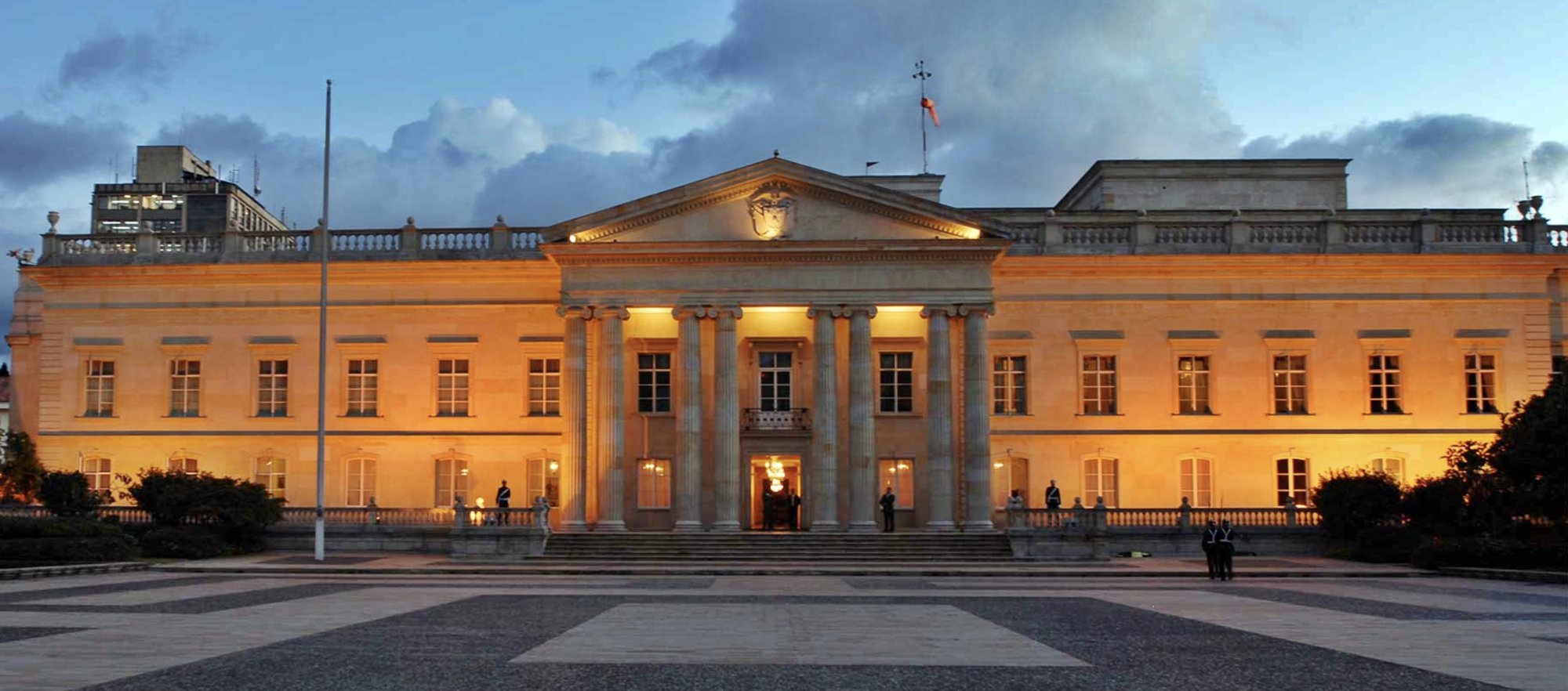
In Colombia, President De la Espriella has spent his first days in office signing decrees. Every new government begins with a flurry of names.
They fill the posts most people never notice, yet everyone quietly relies on.
How De la Espriella is filling the ranks
The headlines usually go to the ministers. But a government is really run by the layer just beneath them.
These are the directors of the agencies that collect taxes, protect the vulnerable and manage land. De la Espriella has been naming them fast.
The appointments came through a series of decrees signed between August 7 and 11, the opening act of a new administration.
The man who will collect the taxes
Perhaps the most consequential name is at the tax authority. Andrés Felipe Velásquez was appointed to lead DIAN.
DIAN collects Colombia’s taxes and polices its customs. Whoever runs it sits at the centre of the government’s finances.
In a country debating how to balance its books, the choice of tax chief is far more than an administrative footnote. A capable tax chief can widen the state s room to manoeuvre.
A weak one can leave a promising agenda starved of funds.
Building the inner circle
Closest to the president are the people who manage his office. Here too, the roster is filling.
Carlos Andrés Ríos was named to head the Presidency’s administrative department, known as Dapre, the machine that keeps the presidency running. Andrés Bernardo Barreto González takes the Presidency’s legal secretariat, and Nicolás Gómez Arenas becomes chief of the presidential staff.
Security, welfare and land
Beyond the palace, the appointments touch the agencies that shape daily life for millions of Colombians. Interior Minister Rodrigo Lara Restrepo also took on the acting leadership of the UNP, the unit that protects people under threat.
Sandra Suárez Pérez was placed at the head of the social prosperity department. DPS, while Lina María Garrido Martín leads the national land agency, ANT.
That combination of two hats, minister and acting director, also concentrates security decisions in trusted hands during the transition.
Why these posts matter to investors
It is tempting to skim past a list of directors. That would be a mistake for anyone watching Colombia’s direction.
The tax agency shapes fiscal policy. The land agency touches rural investment and property disputes.
The protection unit signals how the state handles security. Together, these appointments sketch the practical priorities of a government still defining itself.
The fiscal reckoning he inherits
One reason the tax chief matters so much is the state of the books. Analysts have warned the new government faces a genuine fiscal reckoning.
Colombia is under pressure to control its spending and its debt. That makes the person running the tax authority unusually important.
Every choice about collection, enforcement and reform will shape how much room the president has to govern.
A cabinet built for balance
Above the agency chiefs sits the cabinet itself, and its makeup drew attention of its own. De la Espriella assembled a team of 18 ministers, split evenly between nine women and nine men.
That symmetry is a deliberate signal in a region where cabinets have often skewed heavily male.
A rightward turn for Colombia
The appointments do not happen in a vacuum. De la Espriella rose to power as a combative figure on Colombia’s right.
He entered office vowing a break with the country’s political traditions and a tougher line on armed groups. His choice of officials is the first concrete evidence of what that promise looks like in practice, beyond the campaign rhetoric.
A new president in a hurry
The pace of the appointments says something about the man making them. De la Espriella took office promising a clear break with the past.
Filling posts quickly lets a new leader stamp his authority before opposition and inertia set in. It also reduces the vacuum that can paralyse a government in its earliest, most fragile weeks.
What the choices reveal
Personnel is policy, as the old saying goes. Who a leader trusts with tax, land and security tells you where he intends to go.
For now, De la Espriella is signalling that he wants his own people in the technical driving seats, not holdovers. The real test will be how these officials perform once the decrees turn into decisions.
The gaps still to fill
Not every chair is occupied yet. A first wave of appointments is exactly that, a beginning.
Several agencies and second-tier posts remain to be settled in the coming weeks. How the president fills them will flesh out the picture of his government’s true centre of gravity.
What to watch next
The names to watch are the ones tied to money and security, where policy bites hardest. Markets will study the tax authority’s early moves for hints on fiscal discipline.
Rural Colombia will watch the land agency closely. In the end, a government is judged not by how fast it is staffed, but by what those officials choose to do.
Colombians, meanwhile, will judge the government less by its organigram than by whether crime falls and the economy steadies.
Frequently Asked Questions
Who is Abelardo de la Espriella?
He is Colombia’s new president, who took office in August 2026 promising a break with the country’s political tradition.
What is DIAN?
It is Colombia’s tax and customs authority, responsible for collecting taxes and policing imports. Andrés Felipe Velásquez was named to lead it.
Why do these appointments matter?
The directors of agencies for tax, land and security shape real policy. Who runs them signals a government’s practical priorities.
How is the cabinet composed?
De la Espriella named 18 ministers, split evenly between nine women and nine men, alongside the agency appointments.
Are all the posts filled?
No. This was a first wave of appointments, with several agencies and lower-level positions still to be settled.
Sources: El Colombiano; Infobae; La República; O Globo.
This article was produced by The Rio Times’ automated newsroom system. How we use AI · Report an error
In depth
LatAm Markets: Live Signals → — real-time movers, turnover leaders and FX across Latin America.
Read More from The Rio Times