Published Monday, 9 November, 9:45 p.m. ET (10:45 p.m. Caracas) · Source: ExxonMobil statement
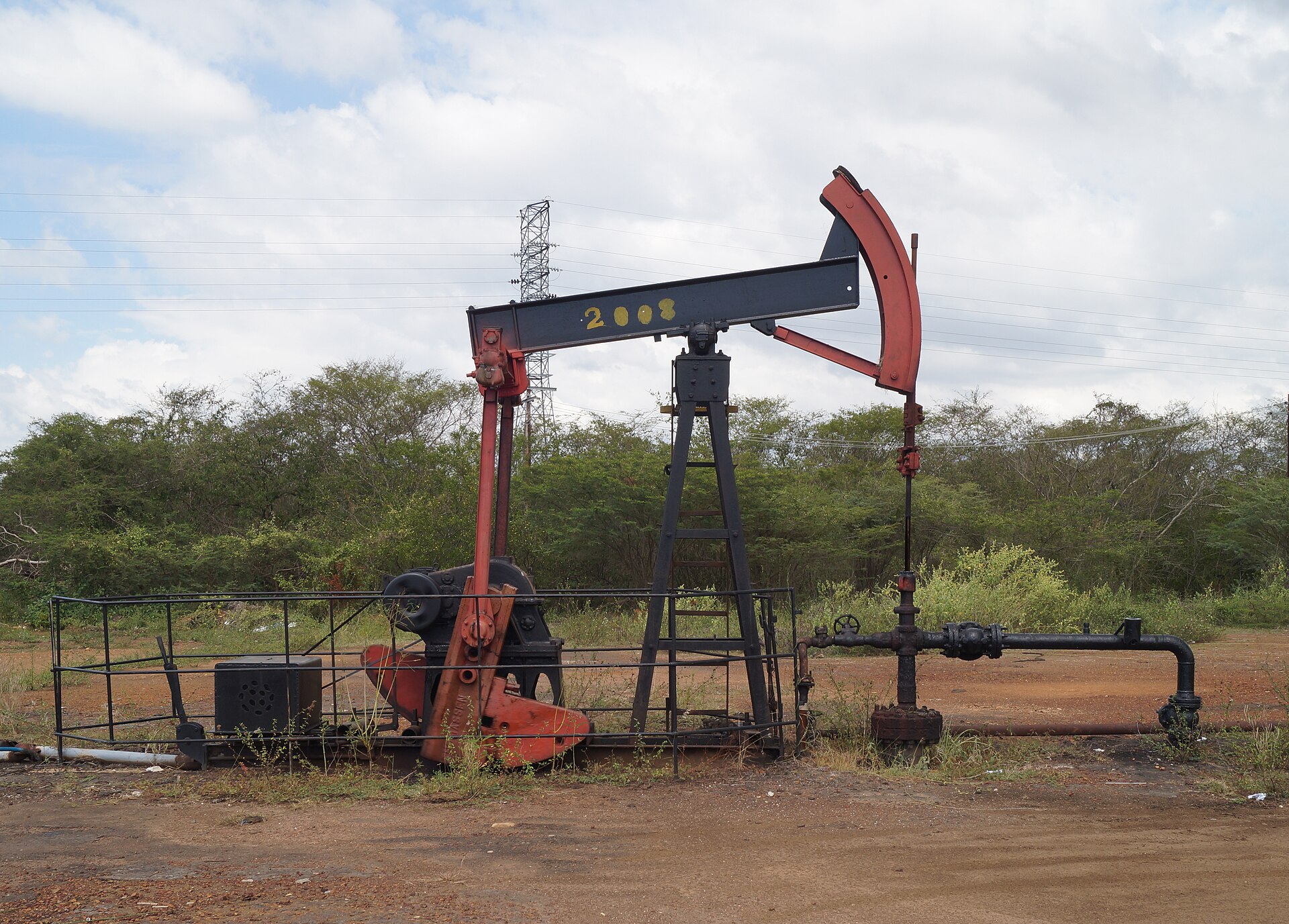
The top US oil producer is edging back into the country that once seized its oil fields. ExxonMobil said on Monday that it signed a preliminary agreement with Petróleos de Venezuela (PDVSA), the state oil company, to look at oil projects there, a preliminary step toward a return after nearly two decades. The paper is a non-binding memorandum of understanding, a preliminary agreement, with PDVSA, which runs the country’s oil industry.
It comes as Venezuela US tensions give way to a scramble among US companies for access to some of the world’s largest crude reserves.
Key Facts
- What happened. Exxon signed a non-binding memorandum with PDVSA to explore Venezuelan oil production opportunities.
- What is missing. No projects, value, timeline or production targets have been disclosed.
- What happens next. Any investment needs a definitive contract, such as a joint venture or production-sharing deal.
- Why it matters for US readers. It is the top US oil producer’s first formal move on Venezuela, after rival Chevron.
This story is part of our coverage of the Venezuela US tensions. Who runs Venezuela, the US sanctions and oil deals, the Maduro case and the odds are in our dossier.
In plain English
A memorandum of understanding is a signed statement of intent, not a contract. Exxon has agreed to study Venezuela’s oil fields but has not promised to spend money.
What Exxon Actually Signed
Exxon said the memorandum covers potential “upstream” opportunities, the industry word for finding and pumping oil. The company called it “a meaningful first step.”
It also set conditions in the same statement. Any future investment, Exxon said, would require “stable policies, clear regulations, strong investment protections and competitive returns.”
The company did not say which fields or regions it is evaluating. It gave no price tag, schedule or output goal.
Why Exxon Is Cautious
Exxon left Venezuela nearly two decades ago, after the government of the late socialist President Hugo Chávez expropriated its assets there. Few oil companies have more reason to read the fine print.
Exxon chief executive Darren Woods has kept expectations low. On the company’s late-October earnings call, its quarterly briefing for investors, he said operating in Venezuela would require substantial changes to how business has historically been done, and added: “We’re not in a rush.”
A Crowded Field Is Forming
Exxon is not the first US major back. On 2 September, US rival Chevron announced plans to invest more than US$7 billion over five years and to roughly double its Venezuelan output to about 600,000 barrels a day, under new agreements that it said improve fiscal and legal terms.
Washington has pushed hard for this. President Donald Trump’s administration wants US companies at the front of rebuilding Venezuela’s energy sector, after US forces captured then-President Nicolás Maduro in January.
The prize is large. The Organization of the Petroleum Exporting Countries (OPEC), the oil producers’ group, counts roughly 300 billion barrels of reserves in Venezuela, the most of any member.
Years of neglect have left production far below that potential, and analysts say a revival will take years.
What It Means for US Readers
For investors, the memorandum is a signal rather than a number. It adds no barrels today and no spending to Exxon’s budget, but it shows the top US producer now sees enough political change to start talking.
Chevron is the early winner, already pumping and expanding. Exxon and others risk losing the best acreage if they wait, while the risk of another seizure keeps them from rushing.
What Is Not Known
Exxon has not named projects or areas, and the text of the memorandum has not been published. Some accounts say the Venezuelan government is also a signatory, while Exxon’s statement names PDVSA; we found no response from either side.
The exact time of the announcement is not confirmed. The next signal to watch is whether Exxon moves from a memorandum to a joint-venture or production-sharing contract, and on what terms.
More: Brazil news, every day from The Rio Times.
Frequently Asked Questions
Does Exxon now have to invest in Venezuela?
No. The memorandum is non-binding. A joint venture or production-sharing contract would still be needed before Exxon commits money.
Why did Exxon leave Venezuela?
The government of then-President Hugo Chávez expropriated Exxon’s assets, and the company left nearly two decades ago.
Read more in our Venezuela geopolitics guide.
Sources: ExxonMobil statement of 9 November 2026; Chevron announcement of 2 September 2026; OPEC reserves data; Exxon third-quarter earnings call, late October 2026.
This article was produced by The Rio Times’ automated AI newsroom. Editorial responsibility: Matthias Camenzind, Publisher and Editor-in-Chief. The Rio Times also runs Ask Rio Times, which answers from 100,000+ of our own articles, the daily Latin America Power Map, and prediction-market odds on elections and markets.. How we use AI · Report an error
Venezuela and the United States
- What Is Going On Between Venezuela and the United States?
- What Is Going On Between Venezuela and the United States?
- Venezuela Geopolitics Explained, US Now Runs Its Oil
- Venezuela Politics 2026, Who Holds Power After Maduro