Sixteen Former Supreme Court Justices Are Left Alive in Brazil. Thirteen Signed. Three Did Not.
BRAZIL · JUDICIARY
Key Facts
- —What happened Thirteen retired judges of Brazil’s highest court publicly demanded it investigate one of its own.
- —Why that is rare Former judges almost never comment on their old court. Brazil has sixteen still living.
- —The crisis A collapsed bank is alleged to have paid millions to the wife of a sitting judge.
- —Their words They call it the most acute crisis in the court’s history and want an immediate inquiry.
- —Who stayed out Two declined for different reasons. A third says nobody ever asked him to sign.
- —The catch That third man is also Brazil’s serving justice minister, which makes his silence awkward.
Retired judges are famously silent. Four out of five of Brazil’s surviving ones just signed the same piece of paper.
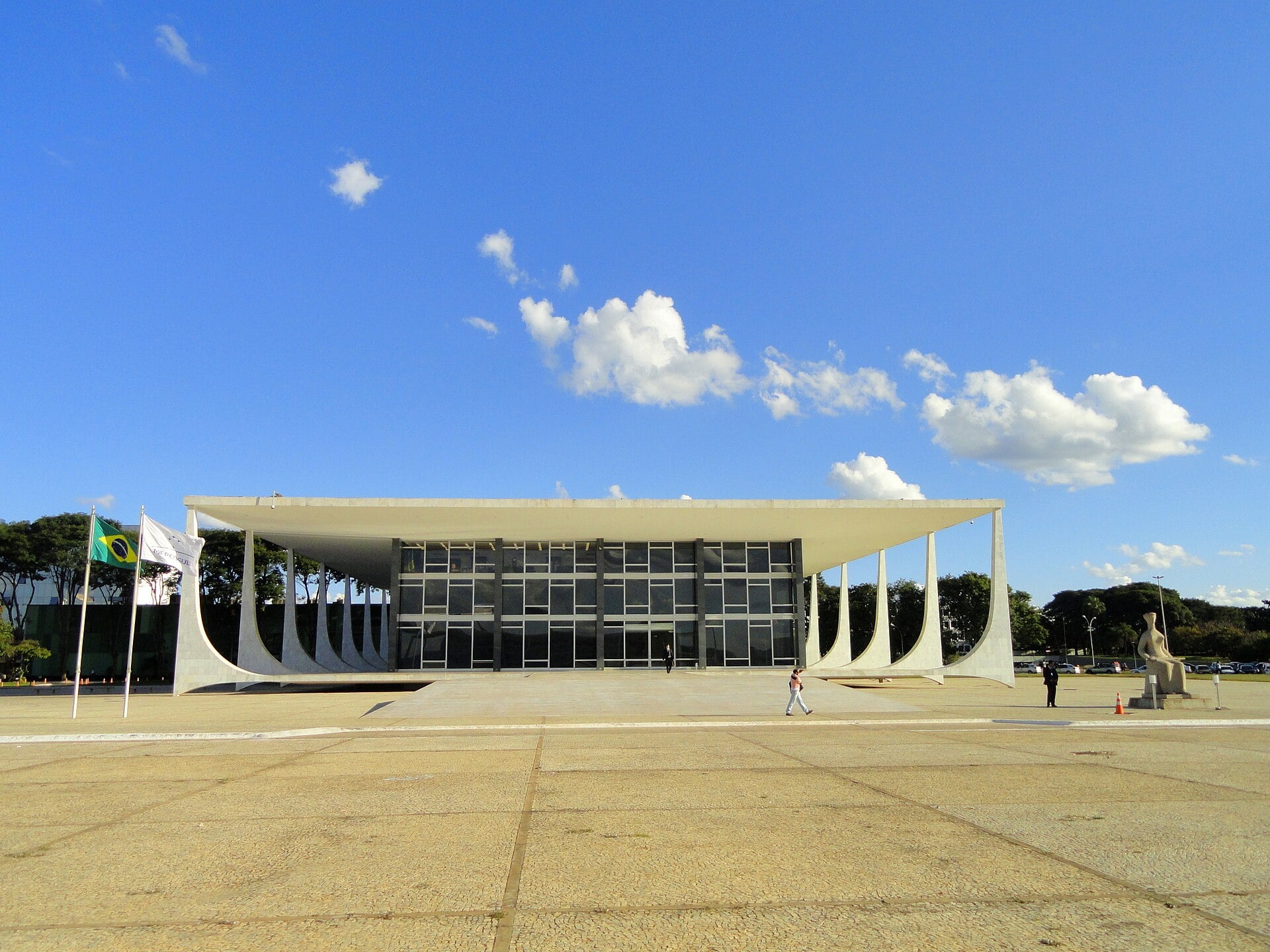
Former Supreme Court justices, in most countries, are the quietest people in public life. They write memoirs and decline to comment.
On 7 September, thirteen of Brazil’s wrote to the chief justice together. What went unreported is how few were left to ask.
The Arithmetic Nobody Published
Brazil has sixteen living former justices of its Supreme Federal Court. Thirteen signed the letter.
Of the remaining three, two publicly declined and one says he was never approached. That is 81% of everyone available.
No source states the figure of sixteen outright. It comes from adding the signatories to the named refusals.
Two men often assumed to be among the living are not.
José Carlos Moreira Alves died in October 2023. Sepúlveda Pertence has also died.
What They Wrote
The letter runs to a few paragraphs and does not name the judge at the centre of the affair. It does not need to.
It expresses full confidence in the seriousness, discernment and firmness of chief justice Edson Fachin. Then it asks for an immediate and rigorous investigation.
The signatories describe the situation as the most acute crisis in the court’s history. Coming from people who served through a military dictatorship and two impeachments, that is a considered phrase.
They say the events have been damaging the prestige and authority of the court. They add public confidence and the stability of democratic institutions to the list.
Celso de Mello, who sat for thirty-one years, issued a separate note of his own. No authority, he wrote, is above the law.
The court, he added, cannot be turned into a protective shield for individual deviations. He named nobody, and nobody needed him to.
The Three Who Did Not Sign
Luís Roberto Barroso is a former president of the court and the most internationally visible Brazilian jurist of his generation. He said no.
Signing an external manifesto, he explained, would cost him the ability to contribute from inside. He is reported to be talking quietly to serving judges on both sides.
Marco Aurélio Mello refused on grounds of manners. He said he would not have wished to receive such a document himself, were he still in the chief justice’s chair.
Ricardo Lewandowski gives a different account altogether. He says nobody asked him.
That claim carries weight, because Lewandowski is not only a retired judge. He is Brazil’s serving justice minister, in a government entangled in the same affair.
Whether the organisers skipped him deliberately has not been explained by anyone. Neither he nor they have offered a reason.
The Second Letter, and Why the Two Keep Merging
Six days later a different letter appeared, backing the same chief justice. It is routinely reported as the same document, and it is not.
This one demands transparency, stronger collective decision-making and rules on conflicts of interest. It says the court must not be captured by hidden interests.
Most outlets count 198 signatures, one counts 199, and nobody has resolved it. The signatories are jurists, businesspeople, economists, trade unionists and former government ministers.
There lies the confusion. In Portuguese, a cabinet minister and a supreme court judge are both called ministro.
The first came from thirteen former Supreme Court justices who sat on that very bench. The second came from a broad civic coalition, and the two carry different weight.
What Set It Off
On 1 September a serving judge, André Mendonça, unsealed a 218-page police report. It had been drawn from the phone of Daniel Vorcaro, owner of the collapsed Banco Master.
The report described payments from that bank to the law firm of Viviane Barci de Moraes. She is married to Alexandre de Moraes, the judge who led the prosecution of former president Jair Bolsonaro.
A week later Mendonça ordered the removal of Brazil’s federal police chief. A second judge reinstated him and the chief justice suspended both orders.
The letters were written into that gap. On Tuesday the eleven serving judges meet in emergency session, and the retired thirteen will be watching like everyone else.
More: Brazil news in English, every day from The Rio Times.
Frequently Asked Questions
How many former Supreme Court justices signed?
Thirteen, on 7 September 2026. This newspaper counts sixteen living retired justices, reached by adding the signatories to the three who are on record declining or saying they were not asked.
Who refused to sign?
Luís Roberto Barroso, who said signing would prevent him contributing from inside the institution, and Marco Aurélio Mello, who cited respect for the current chief justice. Ricardo Lewandowski says he was never approached.
What does the letter ask for?
An immediate and rigorous investigation of the crisis, together with an expression of confidence in chief justice Edson Fachin. The signatories call it the most acute crisis in the court’s history.
Is this the same as the letter with 198 signatures?
No. That is a separate document from 13 September signed by jurists, businesspeople and former cabinet ministers. Portuguese uses the same word for both kinds of minister, which is why they are confused.
What triggered it?
The unsealing on 1 September of a police report describing payments from a collapsed bank to the law firm of a sitting judge’s wife, followed by conflicting orders over the federal police leadership.
Sources: ConJur, Rádio Pampa, Brasil em Folhas, Poder360 and A Tarde. The count of living former justices is this newspaper’s own, reconstructed from named signatories and named refusals.
This article was produced by The Rio Times’ automated newsroom system. How we use AI · Report an error
Read More from The Rio Times