Agusto & Co Withdraws Geregu Power Rating After US$29 Million Bond Default
Nigeria · FINANCE
Key Facts
—The default: Geregu Power Plc missed its eighth semi-annual coupon and fourth scheduled principal repayment on its N40.09 billion Series 1 Senior Unsecured Bond in early August 2026.
—The instrument: The bond was issued on 28 July 2022 with a 14.50 percent fixed coupon and a seven-year tenor maturing on 28 July 2029.
—The market status: FMDQ Securities Exchange marked the bond as “credit default” after the missed payments.
—The rating action: Agusto & Co withdrew Geregu Power’s A- / A1 ratings, which had previously been affirmed with a stable outlook and were due to expire on 30 June 2027.
—The earnings decline: Geregu’s half-year 2026 revenue fell to N18.66 billion from N87.63 billion, while profit after tax dropped 87.65 percent to N2.51 billion.
—The sector context: Nigerian power producers were owed about N6.8 trillion in March 2026, with gas suppliers owed roughly N3.3 trillion of that amount.
The Geregu Power bond default has prompted Agusto & Co to withdraw its credit rating for the company, after the Nigerian electricity generator defaulted on its N40.09 billion (about US$29 million) Series 1 Senior Unsecured Bond, in what analysts have described as the country’s first major corporate bond default in seven years.
What triggered the Geregu Power bond default
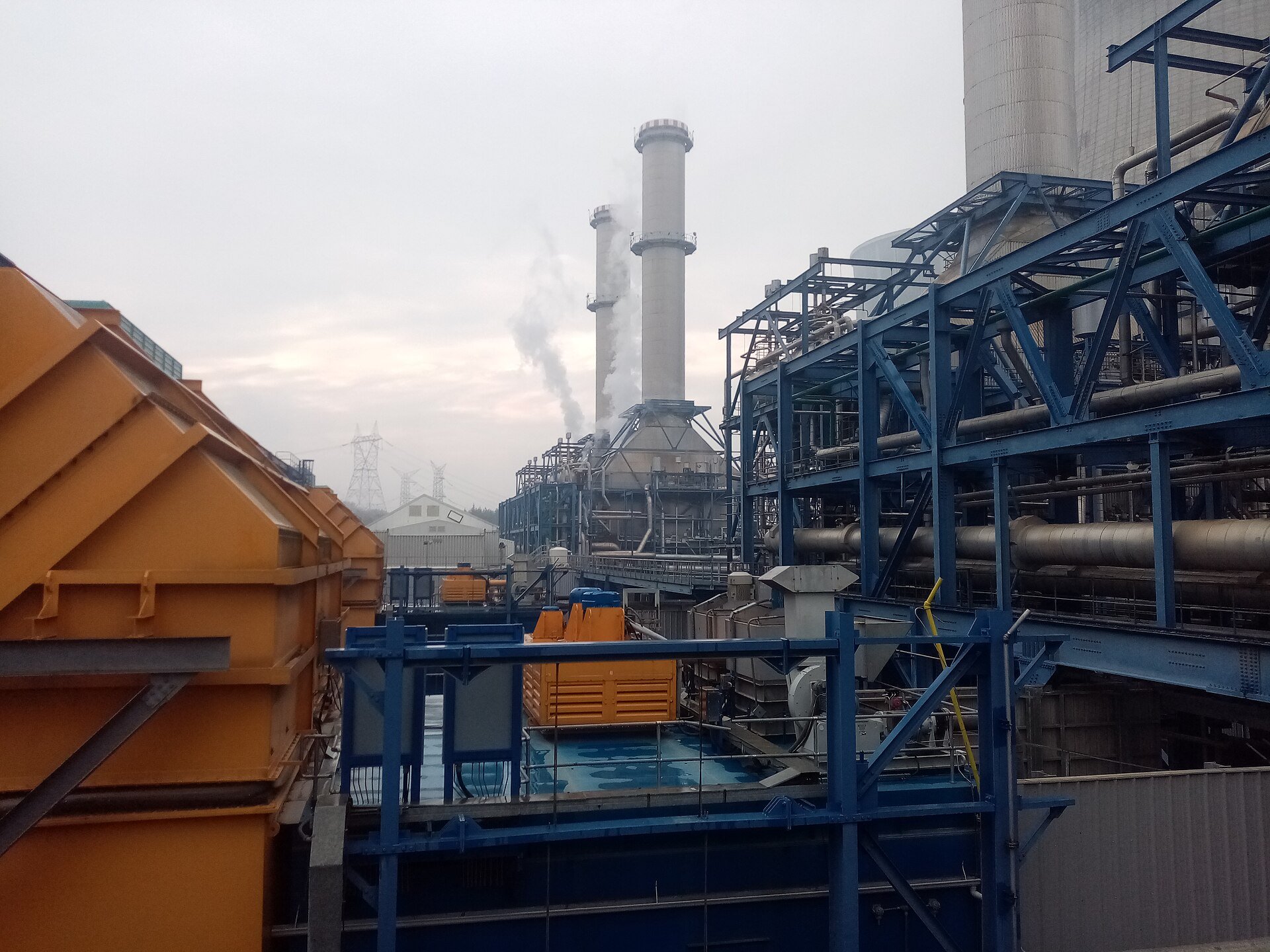
Geregu Power Plc failed to meet its eighth semi-annual coupon payment and its fourth scheduled principal repayment on the N40.09 billion bond in early August 2026. FMDQ Securities Exchange, Nigeria’s debt-market infrastructure provider, flagged the instrument as being in “credit default”.
The bond was issued on 28 July 2022 with a fixed coupon of 14.50 percent and a seven-year tenor due to mature on 28 July 2029. The missed obligations came despite the instrument having more than three years left until maturity.
The company said it remained in discussions with advisers and stakeholders while reviewing transactions, liabilities, financing arrangements and related documentation after a leadership change. The default is being treated as Nigeria’s first major corporate bond default in seven years.
Agusto & Co moves to withdraw the rating
Agusto & Co, the Nigerian credit-rating agency, withdrew Geregu Power’s A- / A1 ratings following the default, citing both the missed payments and its inability to rely on the company’s financial statements pending an independent forensic review. The ratings had previously been affirmed with a stable outlook and were scheduled to expire on 30 June 2027.
Before the withdrawal, Agusto had constrained the rating by rising leverage, a high dividend payout that pressured liquidity, and ownership and governance-transition uncertainties tied to the MA’AM Energy acquisition. The withdrawal removes a key reference point for investors holding the defaulted instrument.
The rating action signals that Agusto no longer considers the issuer’s credit profile to be reliably assessable under its methodology. For bondholders, the withdrawal adds another layer of uncertainty to an already distressed situation.
The earnings collapse behind the Geregu Power bond default
Geregu’s financial performance weakened sharply in the first half of 2026. Revenue fell to N18.66 billion from N87.63 billion in the same period a year earlier, while profit after tax dropped 87.65 percent to N2.51 billion.
The slowdown followed a N61.47 billion turbine-maintenance programme that reduced available generating capacity and cash flow. With less electricity to sell, the company’s ability to service its bond obligations deteriorated rapidly.
The maintenance spending was necessary to keep ageing gas turbines operational, but it came at a time when the broader power sector was already struggling with payment delays and fuel shortages. The result was a liquidity squeeze that ultimately tipped the company into default.
Nigeria’s power-sector liquidity crisis deepens
The Geregu Power bond default is not an isolated event. Nigerian power producers were owed about N6.8 trillion as of March 2026, with gas suppliers owed roughly N3.3 trillion of that amount.
Gas-fired plants were receiving less than 50 percent of the fuel they needed in early 2026, and national generation had fallen to roughly 4,300 megawatts. The government’s debt-reduction plan, approved in August 2025, aimed to refinance N4 trillion in sector debt owed mainly to 27 power generation firms for unpaid invoices dating from 2015 to 2023.
By mid-2026, the federal government had released only a small fraction of electricity subsidy obligations, leaving a large unpaid bill and worsening stress across the value chain. The chain reaction is clear: subsidy shortfalls and payment delays ripple upstream to generation companies, which then struggle to pay gas suppliers, which in turn reduces fuel deliveries to plants.
What the default means for Nigerian corporate credit
The Geregu Power bond default tests confidence in Nigerian corporate credit, especially for infrastructure-linked issuers. Investors who bought the 14.50 percent bond in 2022 now face the prospect of a prolonged restructuring or recovery process.
The default also raises questions about the bankability of private power assets in Nigeria. The World Bank-backed power reform programme was effectively wound down after the government requested cancellation of $717.7 million in undisbursed funds, with the World Bank attributing the failure to naira devaluation and tariffs unable to keep pace with generation costs.
For global lenders and domestic investors alike, the episode underscores how fragile power-sector finance remains in Nigeria. The competition for capital in a dollarised energy supply chain is intensifying, as explored in our pillar Africa: The New Scramble.
What to watch next in the Geregu Power bond default
Bondholders will be watching for any restructuring proposal from Geregu Power and its advisers. The company has said it is reviewing transactions, liabilities and financing arrangements, but no timeline for resolution has been announced.
The broader sector will also be tested by whether the federal government accelerates subsidy payments and debt refinancing. Without faster intervention, more generation companies could face similar liquidity failures.
The next scheduled date on the bond calendar is the maturity on 28 July 2029, but the immediate question is whether Geregu can negotiate a standstill or restructuring before further obligations fall due. The outcome will shape how investors price Nigerian corporate credit for years to come.
Frequently Asked Questions
What is the Geregu Power bond default?
Geregu Power Plc missed its eighth semi-annual coupon and fourth scheduled principal repayment on its N40.09 billion Series 1 Senior Unsecured Bond in early August 2026. FMDQ Securities Exchange marked the bond as “credit default”.
Why did Agusto & Co withdraw Geregu Power’s rating?
Agusto & Co withdrew the A- / A1 ratings after the bond default. The ratings had previously been affirmed with a stable outlook and were due to expire on 30 June 2027.
How much did Geregu Power’s earnings fall in 2026?
Geregu’s half-year 2026 revenue fell to N18.66 billion from N87.63 billion, while profit after tax dropped 87.65 percent to N2.51 billion.
Connected Coverage
For more on how energy finance and infrastructure investment are reshaping Africa’s position in global capital flows, read Africa: The New Scramble.
Sources
This article was produced by The Rio Times’ automated newsroom system. How we use AI · Report an error
LatAm Markets: Live Signals → — real-time movers, turnover leaders and FX across Latin America.
Read More from The Rio Times