Guatemala Blockades: President Alleges Political and Drug Money
GUATEMALA · POLITICS
Key Facts
- —What happened Guatemala’s president said politicians and drug traffickers paid people to block the country’s main roads.
- —Who said it Bernardo Arévalo, president of Guatemala, a Central American country of about 18 million people.
- —Why it started Twelve days of road blockades over the price of fuel, which drivers say is too high.
- —Why it matters to you Blocked highways shut both border crossings with Mexico and stopped food and freight moving.
- —The catch He named no politician and no trafficker, and nobody has been charged.
- —What comes next A law capping fuel prices has passed Congress but is stuck before it takes effect.
The Guatemala blockades ran for twelve days over the price of fuel. Then the president said politicians and drug money had paid some of the protesters.
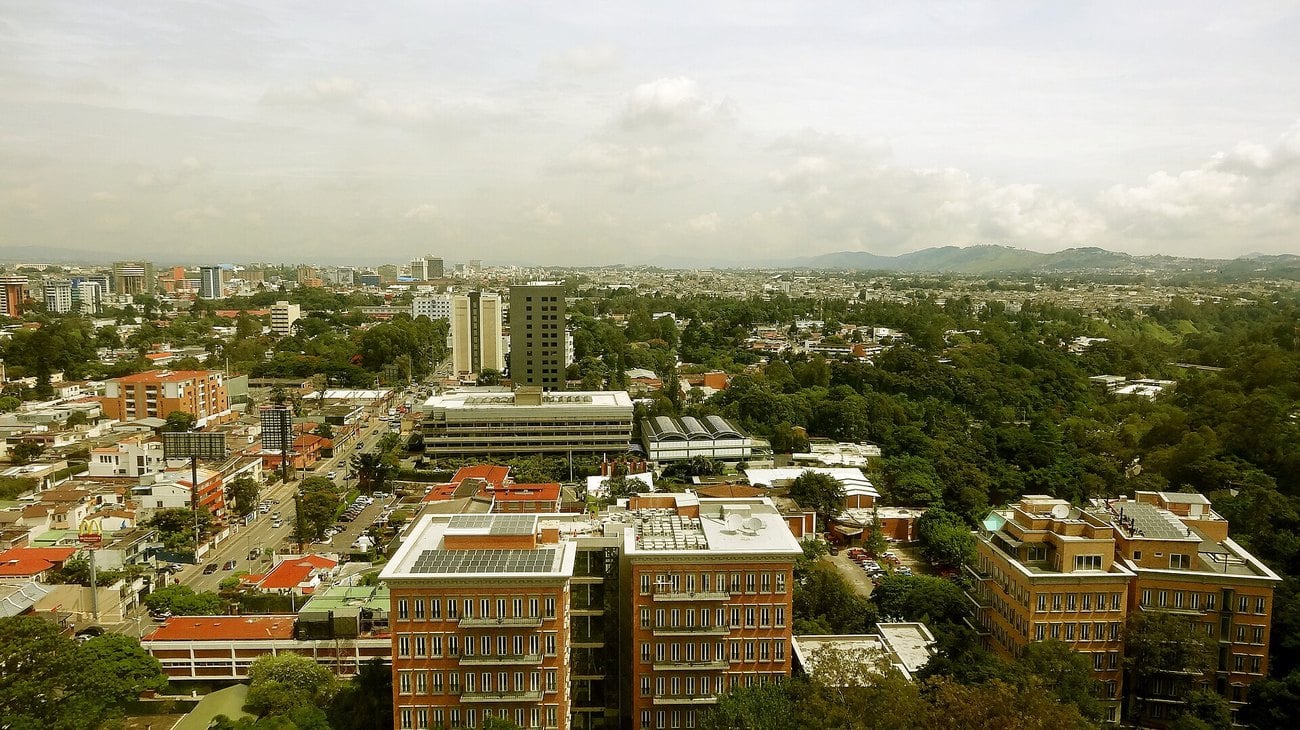
At their peak the Guatemala blockades closed 24 points on the country’s highways, and both main crossings into Mexico. Twelve days later the president said some of them had been bought.
Twelve days when the country could not move
The tyres went into the road on 31 August 2026. By the next day, 24 points on Guatemala’s highways were shut.
Transport guilds had called people out, and the demand was one thing. Fuel cost too much, and the taxes and subsidies behind that price had to change.
Roads were still cut between 7 and 10 September. Court orders and police work cleared the last of them on 11 and 12 September.
Both main border crossings with Mexico closed during the wave. Freight stopped for days, and the government has published no figure for what that cost.
The president names three towns
Arévalo spoke on Sunday 13 September 2026, in a message recorded before it went out. Real anger about fuel prices, he said, had been used by other people.
Then he pointed east. “For example, in Río Hondo, Zacapa, local politicians have colluded with drug trafficking actors to pay participants in the blockades,” he said.
He pointed south as well, to Cuyotenango in Suchitepéquez, and to Villa Nueva beside the capital. There, he said, “spurious political actors, gang members in some cases and organized crime in others” had set up blockades.
Two kinds of interest had met, in his telling. “The spurious electoral interests of some and the criminal interests of others converge,” he said.
The aim, he said, was to unsettle his government. He named no politician and no trafficker.
What he ordered in the same message
Investigations were already open, he said. “We will report to the Public Ministry those who engage in these criminal actions,” he said.
The Public Ministry is Guatemala’s prosecution service, led by the attorney general. It decides whether anyone is charged.
He told the National Civil Police to keep the roads open, with the army behind them. Any such action, he said, had to stay inside the Constitution.
He also promised more relief through Congress. One measure is a fund to soften what fuel costs families.
The people who put the tyres in the road
Gretexpa and Gretrucex, two transport guilds, were among the organisers. Taxi and bus drivers went out with them.
So did the 48 Cantones of Totonicapán, an Indigenous authority in the western highlands. Market traders joined, and so did the Indigenous Municipality of Sololá.
Since the broadcast, the guilds and the Indigenous authorities have said nothing in public. No organiser has stood up to deny the charge.
Their demand never changed across the twelve days: cheaper fuel. They have tied their protest to no party and to no criminal group.
Burned vehicles and two wounded officers
In early September some blockades turned violent. Vehicles burned, and police were attacked at several points.
Interior Minister Marco Villeda gave the count on Saturday 12 September. Two officers had been shot and wounded, and 14 people were detained.
About eight vehicles used to block roads were seized. Nobody has been convicted over any of it.
CACIF, the country’s main business chamber, asked the police to clear the roads. It also asked prosecutors to find out who organised and funded them.
A price cap that never reached the page
Congress passed a fuel price cap on Tuesday 8 September. It sets a ceiling of 39 quetzales (about US$5) a gallon for diesel and regular petrol.
Super petrol is capped at 41 quetzales (about US$5.40) a gallon. The quetzal is Guatemala’s currency.
If the market price climbs above the ceiling, the state pays importers the difference. The law is not yet in force.
One deputy held it up. The Associated Press reports that Allan Estuardo Rodríguez Reyes asked for revisions, which stopped the law being published.
He sits for VAMOS, the party of former president Alejandro Giammattei. Asking for a revision is an ordinary step in Congress.
Arévalo attacked the delay without naming the deputy. The hold-up, he said, keeps fuel prices high for families.
An accusation, not a verdict
What the president made is an allegation. It sits with investigators, not with a judge.
No court has ruled on it. Nobody has been charged with paying anyone to stand in a road.
The Interior Ministry is checking whether politicians or criminal money were behind the blockades. It has put no evidence in public.
Arévalo drew a line himself, between the alleged paymasters and the ordinary protester. The anger over fuel prices, he said, is real.
Guatemala holds about 18 million people. It is also a main road for drugs moving north.
What comes next
The highways are open again. The argument over fuel prices is not settled.
Transport groups could call people out once more if the cap stays stuck. The government has announced no other deal on prices.
Any case over the financing claim would begin at the Public Ministry, which has announced nothing. Until it does, the Guatemala blockades leave one question standing: who paid.
More: Latin America news in English, every day from The Rio Times.
Frequently Asked Questions
Why were there roadblocks in Guatemala?
Transport guilds and Indigenous groups blocked roads from 31 August 2026 over the price of fuel.
Who is Bernardo Arévalo?
He is the president of Guatemala. In a broadcast on 13 September 2026 he accused politicians and traffickers of funding the blockades.
Is fuel getting cheaper in Guatemala?
Congress capped diesel and regular petrol at 39 quetzales (about US$5) a gallon. The law is not yet in force.
Has anyone been arrested over the Guatemala blockades?
Fourteen people were detained during the protests. Nobody has been convicted, and nobody has been charged over the financing claim.
Sources: Sources: Associated Press (via Local 10), Democrata, Infobae, Prensa Libre, La Hora, Publinews. https://www.local10.com/espanol/2026/09/14/presidente-de-guatemala-acusa-al-crimen-organizado-de-impulsar-las-protestas-por-alza-de-combustible/ https://www.democrata.es/en/international/arevalo-points-to-politicians-and-narcos-for-financing-the-roadblocks-in-guatemala/ https://www.infobae.com/guatemala/2026/09/14/bernardo-arevalo-denuncia-colusion-en-guatemala-narcotrafico-politicos-locales-y-bloqueos-por-combustibles-que-buscan-desestabilizar-al-pais/ https://www.prensalibre.com/guatemala/comunitario/bloqueos-en-guatemala-en-vivo-carreteras-y-tramos-de-la-capital-afectados-este-11-de-septiembre-breaking/ https://www.lahora.gt/nacionales/jmaldonado/2026/09/13/en-mensaje-pregrabado-arevalo-habla-en-medio-de-la-crisis-por-precio-de-combustibles/ https://www.publinews.gt/noticias/2026/09/13/bernardo-arevalo-comparte-mensaje-a-la-nacion/
This article was produced by The Rio Times’ automated newsroom system. How we use AI · Report an error
Read More from The Rio Times