Guyana Oil Take From Stabroek Jumps to 39.8% as Exxon Recovers Its Costs
Guyana · ENERGY
Key Facts
- —Entitlement rise Guyana’s share of Stabroek crude rose to 39.8% from 12.5%.
- —Cost recovery Contractors may use up to 75% of monthly production to recover costs.
- —Profit oil Remaining oil after cost recovery is split as profit oil.
- —Output scale Stabroek output exceeds one million barrels per day.
- —Partners ExxonMobil, Hess (now Chevron), and CNOOC.
The jump in Guyana’s share comes as the ExxonMobil-led consortium has already recovered its major costs, leaving more oil for profit sharing.
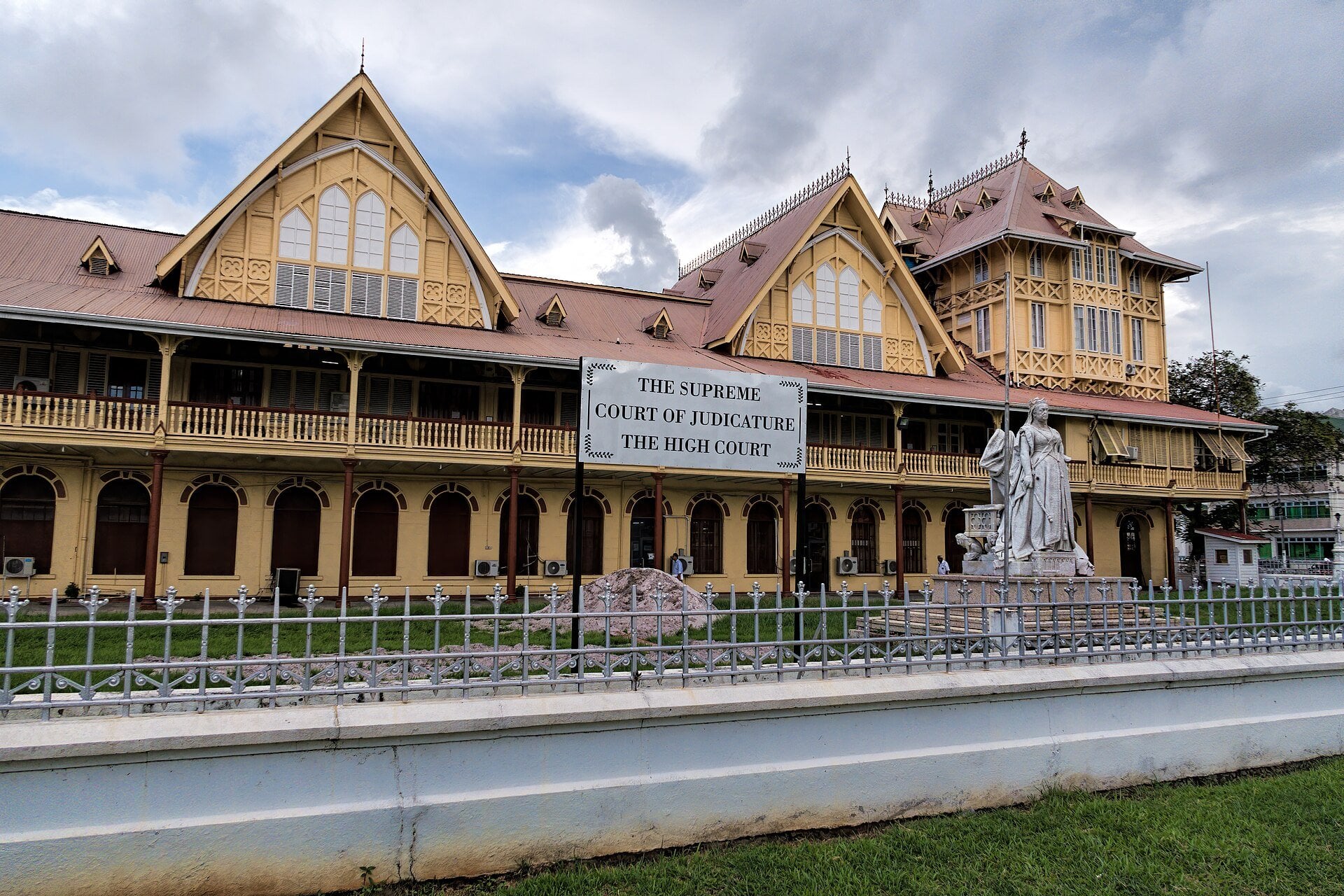
Guyana oil take from the Stabroek Block has jumped to 39.8% as ExxonMobil and its partners recover their costs. The rise from the previous 12.5% entitlement was announced by Guyana’s president on 18 August 2026, according to Reuters.
A Bigger Share of Guyana Oil
Guyana oil now gives the state a 39.8% share of crude production from the Stabroek Block. This is a major jump from the earlier 12.5% entitlement.
The change happened because the consortium has recovered its major costs. As a result, more oil is available as profit oil.
How the Contract Works
Under the Stabroek contract, contractors can use up to 75% of monthly production to recover their expenses. The remaining oil is split as profit oil.
When the full 75% is used, Guyana receives 12.5% of total production. However, the state’s share rises as the contractors recover less.
Why the Share Rose
Cost recovery declined because the consortium had already recovered its major costs. Therefore, it no longer needed the full 75% cap.
This leaves more oil as profit oil, lifting Guyana’s take. The cost bank was recovered earlier than expected, according to reporting.
Record Output From Stabroek
Stabroek output has been reported at beyond one million barrels a day. This is driven by a fifth floating production vessel.
A floating production storage and offloading vessel, or FPSO, processes and stores oil at sea. In short, this scale boosts overall production.
The Partners Behind Guyana Oil
The Stabroek partners are ExxonMobil, Hess, now part of Chevron, and CNOOC. These companies lead the offshore development.
Guyana sits on the north coast of South America, between Venezuela and Suriname. It has become one of the world’s fastest-growing oil producers.
Separate Contract Terminations
On 23 July 2026, Guyana’s government terminated contracts with Vamed Engineering GmbH. These were for the New Amsterdam Hospital Campus and the Guyana Paediatric and Maternal Hospital at Ogle.
The government cited persistent delays and breaches of contract. It moved to protect public money by securing sites and materials.
Protecting Public Funds
The government also called in the performance securities on the contracts. This ensures that the public purse is safeguarded.
Meanwhile, the rise in Guyana oil revenue provides a financial boost. Still, the hospital projects face new arrangements.
Implications for Guyana Oil Revenue
The higher share means more revenue for the state from each barrel. This could fund infrastructure and social programs.
Because the cost recovery is lower, the profit oil split favors Guyana.
Future of Guyana Oil
With output above one million barrels a day, Guyana oil is a global player. The new share structure reflects the project’s maturity.
As the consortium continues to recover costs, the state’s take may rise further. Overall, this marks a milestone for the young producer.
Frequently Asked Questions
What is the new share of Guyana oil from Stabroek?
Guyana is now entitled to 39.8% of crude production from the Stabroek Block. This is up from 12.5% earlier.
Why did Guyana’s oil share increase?
The consortium recovered its major costs, so it no longer needs the full 75% cost recovery cap. This leaves more oil as profit oil, increasing Guyana’s share.
Who are the partners in the Stabroek Block?
The partners are ExxonMobil, Hess (now part of Chevron), and CNOOC. They operate the offshore block.
What other recent developments involve Guyana?
On 23 July 2026, the government terminated contracts with Vamed Engineering for two hospital projects. It cited delays and breaches, and called in performance securities.
Connected Coverage
Sources: Reuters; Guyanese government statements; energy trade press.
This article was produced by The Rio Times’ automated newsroom system. How we use AI · Report an error
Read More from The Rio Times