IBOV 167,874.64 ▼ 2.50% IPSA 11,128.56 ▼ 1.25% IPC MEX 66,438.58 ▼ 0.75% MERVAL 3,022,485 ▼ 3.19% COLCAP 2,423.37 ▲ 2.14% BVL PERÚ 59,693.55 ▼ 1.60% USD/BRL5.17▲ 1.21% USD/MXN17.07▼ 0.40% USD/CLP913.38▼ 0.42% USD/COP3,125▼ 0.99% USD/PEN3.38▼ 0.02% USD/ARS1,491▼ 0.53% USD/UYU40.23▲ 1.56% USD/PYG5,925▲ 1.88% USD/BOB11.72▲ 0.37% USD/DOP58.00▲ 0.85% USD/CRC447.79▲ 1.51% USD/GTQ7.62▲ 2.47% USD/HNL26.78▲ 1.86% USD/NIO36.62▲ 1.01% USD/VES759.31▼ 0.13% USD/PAB1.00— 0.00% USD/BZD2.00— 0.00% USD/JMD157.26▲ 0.31% USD/TTD6.71▲ 1.22% EUR/BRL5.97▲ 1.72% BRENT 88.61 ▲ 1.01% WTI 83.09 ▲ 1.17% IRON ORE 161.91 — — COPPER 6.63 ▲ 0.60% GOLD 4,444 ▲ 1.89% SILVER 65.10 ▼ 0.01% SOY 1,168 ▲ 0.86% CORN 460.75 ▲ 5.13% WHEAT 629.25 ▼ 1.76% COFFEE 314.20 ▼ 5.45% SUGAR 16.68 ▲ 1.28% ORANGE JUICE 139.60 ▼ 1.59% COTTON 83.79 ▲ 1.29% COCOA 5,665 ▼ 2.68% BEEF 226.88 ▼ 2.74% CATTLE 345.60 ▼ 1.47% LITHIUM 74.08 ▼ 0.88% PETR4 41.35 ▼ 2.08% VALE3 74.56 ▲ 0.89% ITUB4 39.42 ▼ 2.47% BBDC4 16.90 ▼ 1.63% ABEV3 15.04 ▼ 1.51% BBAS3 19.55 ▼ 2.40% B3SA3 14.29 ▼ 2.59% WEGE3 47.12 ▼ 1.07% PRIO3 59.37 ▼ 3.05% SUZB3 40.61 ▼ 1.65% RENT3 35.00 ▼ 3.58% AZZA3 16.45 ▼ 1.79% CSAN3 3.38 ▼ 2.03% RAIZ4 0.25 — 0.00% PCAR3 2.71 ▼ 4.58% GMAT3 3.68 — 0.00% PSSA3 49.00 ▼ 1.41% CVCB3 1.36 ▼ 4.23% POSI3 3.32 ▼ 5.14% SLCE3 13.28 ▼ 0.67% NATU3 8.31 ▲ 2.85% BRKM5 5.73 ▼ 0.35% RANI3 7.96 ▼ 0.75% CSNA3 4.28 ▼ 4.04% CMIN3 5.41 ▼ 0.92% USIM5 6.87 ▼ 4.05% GGBR4 24.29 ▼ 3.80% ENEV3 24.66 ▼ 2.61% CPFE3 43.58 ▼ 1.85% CMIG4 10.58 ▼ 0.94% EQTL3 35.89 ▼ 2.39% LREN3 12.12 — 0.00% VIVT3 30.13 ▼ 1.37% RAIL3 13.02 ▼ 1.51% KLABIN 17.59 ▼ 1.51% RAIA DROGASIL 18.30 ▼ 5.57% RDOR3 33.15 ▼ 2.41% HAPV3 10.09 ▼ 2.04% FLRY3 18.50 ▲ 0.44% SMTO3 15.48 ▲ 3.55% UGPA3 31.01 ▲ 0.03% VBBR3 33.27 ▼ 0.51% BBSE3 37.35 ▼ 2.30% BPAC11 50.46 ▼ 6.31% CURY3 31.49 ▼ 0.63% AERI3 2.28 ▼ 1.30% VIVARA 21.02 ▼ 2.87% COMPASS 22.19 ▼ 1.47% VAMOS 2.86 ▼ 1.72% SANB11 29.42 ▲ 0.58% ASAI3 7.98 ▼ 0.99% SBSP3 26.06 ▼ 1.85% WALMEX 48.34 ▲ 0.33% GMEXICO 222.28 ▼ 1.13% FEMSA 202.06 ▼ 1.76% CEMEX 19.12 ▼ 1.85% GFNORTE 193.42 ▼ 1.89% BIMBO 61.68 ▲ 0.15% TELEVISA 9.70 ▼ 2.71% AMX 20.18 ▼ 1.46% GAP 365.49 ▼ 1.29% ASUR 271.39 ▼ 1.18% OMA 232.25 ▼ 0.10% KOF 185.16 ▼ 0.78% GRUMA 255.01 ▲ 0.02% KIMBER 39.93 ▼ 0.92% SQM-B 65,727 ▼ 1.83% COPEC 6,030 ▼ 1.18% BSANTANDER 79.88 ▼ 2.35% FALABELLA 6,321 ▼ 1.84% ENELAM 87.10 ▼ 0.46% CENCOSUD 1,980 ▼ 3.41% CMPC 1,038 ▲ 0.25% BANCO CHILE 188.93 ▼ 0.44% LATAM AIR 24.47 ▼ 1.29% YPF 7,920 ▼ 1.80% GGAL 7,075 ▼ 3.87% PAMPA 5,175 ▼ 1.24% TXAR 764.50 ▲ 1.33% ALUAR 954.00 ▲ 0.26% TGS 9,150 ▼ 1.93% CEPU 2,137 ▼ 2.33% MIRGOR 1,655 ▼ 2.07% COME 42.95 ▲ 0.14% LOMA NEGRA 3,150 ▼ 3.37% BYMA 286.50 ▼ 0.09% TELECOM ARG 4,355 ▼ 3.65% ECOPETROL 16.91 ▼ 0.82% BANCOLOMBIA 99.23 ▲ 8.48% GRUPO AVAL 5.31 ▲ 0.47% CREDICORP 377.45 ▼ 1.25% SOUTHERN COPPER 191.37 ▼ 4.37% BUENAVENTURA 34.50 ▼ 0.23% MERCADOLIBRE 1,922 ▲ 5.37% NUBANK 13.58 ▼ 2.02% XP 15.62 ▼ 3.61% PAGSEGURO 8.98 ▼ 1.16% STONE 10.14 ▼ 2.27% GLOBANT 39.08 ▲ 1.37% TECNOGLASS 42.82 ▲ 3.36% GAP AIRPORT 213.25 ▼ 1.35% ASUR 271.39 ▼ 1.18% OMA AIRPORT 108.50 ▼ 0.03% AMX ADR 23.52 ▼ 1.55% FEMSA ADR 118.01 ▼ 1.59% CEMEX ADR 11.14 ▼ 1.46% PETROBRAS ADR 17.96 ▼ 2.05% VALE ADR 14.41 ▼ 3.26% ITAU ADR 7.61 ▼ 3.44% SANTANDER BR 5.75 ▼ 0.26% AMBEV ADR 2.87 ▼ 2.35% CSN 0.85 ▼ 5.45% GERDAU 4.73 ▼ 4.74% LATAM ADR 53.35 ▼ 0.73% BTC 63,430 ▼ 0.75% ETH 1,862 ▼ 0.48% SOL 74.91 ▼ 1.36% XRP 1.01 ▼ 0.12% BNB 609.12 ▲ 1.74% ADA 0.19 ▼ 2.98% DOGE 0.07 ▲ 1.06% AVAX 6.22 ▼ 3.28% LINK 8.55 ▲ 3.15% DOT 0.78 ▼ 2.74% LTC 45.03 ▼ 0.18% BCH 211.80 ▼ 0.62% TRX 0.33 ▲ 1.19% XLM 0.16 ▼ 0.70% HBAR 0.07 ▼ 2.34% NEAR 1.55 ▼ 3.38% ATOM 1.42 ▲ 1.77% AAVE 86.84 ▼ 2.57% SELIC 14.00% EMBRAER 93.08 ▼ 1.67% EMBRAER ADR 71.88 ▼ 2.61% JBS 13.12 ▼ 2.20% JBS BDR 67.46 ▼ 2.10% MBRF3 15.47 ▼ 2.95% MBRFY 2.95 ▼ 4.84% INTER 5.13 ▼ 4.21% EGX 54,829 ▼ 0.09% USD/ZAR16.19▼ 0.05% USD/NGN1,360▼ 0.09% NIKKEI 66,970 ▲ 2.08% CSI300 4,664 ▼ 0.81% HSI 25,653 ▼ 1.10% NIFTY 24,472 ▼ 0.46% KOSPI 6,346 ▲ 0.73% JCI 6,268 ▼ 1.53% USD/JPY159.28▼ 0.01% USD/CNY6.74▼ 0.13% DAX 26,391 ▲ 0.26% CAC 8,715 ▼ 0.13% FTSE 10,844 ▼ 0.17% MIB 53,706 ▲ 0.08% IBEX 20,214 ▲ 0.20% STOXX 660.51 ▲ 0.01% EUR/USD1.15▲ 0.03% GBP/USD1.35▲ 0.13% SPX 7,735 ▼ 0.23% DJI 53,897 ▼ 0.15% NDX 29,524 ▼ 0.33% RUT 3,030 ▲ 0.43% TSX 36,503 ▲ 0.12% VIX 15.41 ▼ 0.32% USD/CAD1.39▼ 0.12% US10Y 4.6840 ▼ 0.32% IBOV 167,874.64 ▼ 2.50% IPSA 11,128.56 ▼ 1.25% IPC MEX 66,438.58 ▼ 0.75% MERVAL 3,022,485 ▼ 3.19% COLCAP 2,423.37 ▲ 2.14% BVL PERÚ 59,693.55 ▼ 1.60% USD/BRL 5.16 ▲ 1.01% USD/MXN 17.10 ▼ 0.22% USD/CLP 913.58 ▼ 0.40% USD/COP 3,116 ▼ 1.26% USD/PEN 3.38 ▼ 0.09% USD/ARS 1,493 ▼ 0.39% USD/UYU 40.23 ▲ 1.56% USD/PYG 5,925 ▲ 1.88% USD/BOB 11.72 ▲ 0.37% USD/DOP 58.20 ▲ 1.20% USD/CRC 447.79 ▲ 1.51% USD/GTQ 7.62 ▲ 2.47% USD/HNL 26.78 ▲ 1.86% USD/NIO 36.62 ▲ 1.01% USD/VES 759.31 ▼ 0.13% USD/PAB 1.00 — 0.00% USD/BZD 2.00 — 0.00% USD/JMD 157.39 ▲ 0.39% USD/TTD 6.71 ▲ 1.22% EUR/BRL 5.95 ▲ 1.45% BRENT 88.61 ▲ 1.01% WTI 83.09 ▲ 1.17% IRON ORE 161.91 — — COPPER 6.63 ▲ 0.60% GOLD 4,444 ▲ 1.89% SILVER 65.10 ▼ 0.01% SOY 1,168 ▲ 0.86% CORN 460.75 ▲ 5.13% WHEAT 629.25 ▼ 1.76% COFFEE 314.20 ▼ 5.45% SUGAR 16.68 ▲ 1.28% ORANGE JUICE 139.60 ▼ 1.59% COTTON 83.79 ▲ 1.29% COCOA 5,665 ▼ 2.68% BEEF 226.88 ▼ 2.74% CATTLE 345.60 ▼ 1.47% LITHIUM 74.08 ▼ 0.88% PETR4 41.35 ▼ 2.08% VALE3 74.56 ▲ 0.89% ITUB4 39.42 ▼ 2.47% BBDC4 16.90 ▼ 1.63% ABEV3 15.04 ▼ 1.51% BBAS3 19.55 ▼ 2.40% B3SA3 14.29 ▼ 2.59% WEGE3 47.12 ▼ 1.07% PRIO3 59.37 ▼ 3.05% SUZB3 40.61 ▼ 1.65% RENT3 35.00 ▼ 3.58% AZZA3 16.45 ▼ 1.79% CSAN3 3.38 ▼ 2.03% RAIZ4 0.25 — 0.00% PCAR3 2.71 ▼ 4.58% GMAT3 3.68 — 0.00% PSSA3 49.00 ▼ 1.41% CVCB3 1.36 ▼ 4.23% POSI3 3.32 ▼ 5.14% SLCE3 13.28 ▼ 0.67% NATU3 8.31 ▲ 2.85% BRKM5 5.73 ▼ 0.35% RANI3 7.96 ▼ 0.75% CSNA3 4.28 ▼ 4.04% CMIN3 5.41 ▼ 0.92% USIM5 6.87 ▼ 4.05% GGBR4 24.29 ▼ 3.80% ENEV3 24.66 ▼ 2.61% CPFE3 43.58 ▼ 1.85% CMIG4 10.58 ▼ 0.94% EQTL3 35.89 ▼ 2.39% LREN3 12.12 — 0.00% VIVT3 30.13 ▼ 1.37% RAIL3 13.02 ▼ 1.51% KLABIN 17.59 ▼ 1.51% RAIA DROGASIL 18.30 ▼ 5.57% RDOR3 33.15 ▼ 2.41% HAPV3 10.09 ▼ 2.04% FLRY3 18.50 ▲ 0.44% SMTO3 15.48 ▲ 3.55% UGPA3 31.01 ▲ 0.03% VBBR3 33.27 ▼ 0.51% BBSE3 37.35 ▼ 2.30% BPAC11 50.46 ▼ 6.31% CURY3 31.49 ▼ 0.63% AERI3 2.28 ▼ 1.30% VIVARA 21.02 ▼ 2.87% COMPASS 22.19 ▼ 1.47% VAMOS 2.86 ▼ 1.72% SANB11 29.42 ▲ 0.58% ASAI3 7.98 ▼ 0.99% SBSP3 26.06 ▼ 1.85% WALMEX 48.34 ▲ 0.33% GMEXICO 222.28 ▼ 1.13% FEMSA 202.06 ▼ 1.76% CEMEX 19.12 ▼ 1.85% GFNORTE 193.42 ▼ 1.89% BIMBO 61.68 ▲ 0.15% TELEVISA 9.70 ▼ 2.71% AMX 20.18 ▼ 1.46% GAP 365.49 ▼ 1.29% ASUR 271.39 ▼ 1.18% OMA 232.25 ▼ 0.10% KOF 185.16 ▼ 0.78% GRUMA 255.01 ▲ 0.02% KIMBER 39.93 ▼ 0.92% SQM-B 65,727 ▼ 1.83% COPEC 6,030 ▼ 1.18% BSANTANDER 79.88 ▼ 2.35% FALABELLA 6,321 ▼ 1.84% ENELAM 87.10 ▼ 0.46% CENCOSUD 1,980 ▼ 3.41% CMPC 1,038 ▲ 0.25% BANCO CHILE 188.93 ▼ 0.44% LATAM AIR 24.47 ▼ 1.29% YPF 7,920 ▼ 1.80% GGAL 7,075 ▼ 3.87% PAMPA 5,175 ▼ 1.24% TXAR 764.50 ▲ 1.33% ALUAR 954.00 ▲ 0.26% TGS 9,150 ▼ 1.93% CEPU 2,137 ▼ 2.33% MIRGOR 1,655 ▼ 2.07% COME 42.95 ▲ 0.14% LOMA NEGRA 3,150 ▼ 3.37% BYMA 286.50 ▼ 0.09% TELECOM ARG 4,355 ▼ 3.65% ECOPETROL 16.91 ▼ 0.82% BANCOLOMBIA 99.23 ▲ 8.48% GRUPO AVAL 5.31 ▲ 0.47% CREDICORP 377.45 ▼ 1.25% SOUTHERN COPPER 191.37 ▼ 4.37% BUENAVENTURA 34.50 ▼ 0.23% MERCADOLIBRE 1,922 ▲ 5.37% NUBANK 13.58 ▼ 2.02% XP 15.62 ▼ 3.61% PAGSEGURO 8.98 ▼ 1.16% STONE 10.14 ▼ 2.27% GLOBANT 39.08 ▲ 1.37% TECNOGLASS 42.82 ▲ 3.36% GAP AIRPORT 213.25 ▼ 1.35% ASUR 271.39 ▼ 1.18% OMA AIRPORT 108.50 ▼ 0.03% AMX ADR 23.52 ▼ 1.55% FEMSA ADR 118.01 ▼ 1.59% CEMEX ADR 11.14 ▼ 1.46% PETROBRAS ADR 17.96 ▼ 2.05% VALE ADR 14.41 ▼ 3.26% ITAU ADR 7.61 ▼ 3.44% SANTANDER BR 5.75 ▼ 0.26% AMBEV ADR 2.87 ▼ 2.35% CSN 0.85 ▼ 5.45% GERDAU 4.73 ▼ 4.74% LATAM ADR 53.35 ▼ 0.73% BTC 63,430 ▼ 0.75% ETH 1,862 ▼ 0.48% SOL 74.91 ▼ 1.36% XRP 1.01 ▼ 0.12% BNB 609.12 ▲ 1.74% ADA 0.19 ▼ 2.98% DOGE 0.07 ▲ 1.06% AVAX 6.22 ▼ 3.28% LINK 8.55 ▲ 3.15% DOT 0.78 ▼ 2.74% LTC 45.03 ▼ 0.18% BCH 211.80 ▼ 0.62% TRX 0.33 ▲ 1.19% XLM 0.16 ▼ 0.70% HBAR 0.07 ▼ 2.34% NEAR 1.55 ▼ 3.38% ATOM 1.42 ▲ 1.77% AAVE 86.84 ▼ 2.57% SELIC 14.00% EMBRAER 93.08 ▼ 1.67% EMBRAER ADR 71.88 ▼ 2.61% JBS 13.12 ▼ 2.20% JBS BDR 67.46 ▼ 2.10% MBRF3 15.47 ▼ 2.95% MBRFY 2.95 ▼ 4.84% INTER 5.13 ▼ 4.21% EGX 54,829 ▼ 0.09% USD/ZAR 16.20 ▲ 0.09% USD/NGN 1,360 ▲ 0.10% NIKKEI 66,970 ▲ 2.08% CSI300 4,664 ▼ 0.81% HSI 25,653 ▼ 1.10% NIFTY 24,472 ▼ 0.46% KOSPI 6,346 ▲ 0.73% JCI 6,268 ▼ 1.53% USD/JPY 159.26 ▲ 0.02% USD/CNY 6.7328 ▼ 0.07% DAX 26,391 ▲ 0.26% CAC 8,715 ▼ 0.13% FTSE 10,844 ▼ 0.17% MIB 53,706 ▲ 0.08% IBEX 20,214 ▲ 0.20% STOXX 660.51 ▲ 0.01% EUR/USD 1.1543 ▼ 0.03% GBP/USD 1.3506 ▼ 0.01% SPX 7,735 ▼ 0.23% DJI 53,897 ▼ 0.15% NDX 29,524 ▼ 0.33% RUT 3,030 ▲ 0.43% TSX 36,503 ▲ 0.12% VIX 15.41 ▼ 0.32% USD/CAD 1.3918 ▼ 0.11% US10Y 4.6840 ▼ 0.32%
since 2009
Tuesday, August 11, 2026

Business Expats & Nomads

Guyana Ring-Fencing Gap May Cost US$12.4 Billion

By · August 4, 2026 · 6 min read

Daily Brief

The morning intel from across Latin America. Free.

By subscribing you agree to our privacy policy. We never share your email.

Energy: Guyana

Key Facts

Issue. Critics argue Guyana’s ExxonMobil-operated Stabroek Block production sharing agreement lacks a “ring-fencing” clause, letting costs from new developments be recovered against the earnings of producing fields.

Output. Stabroek production crossed 900,000 barrels per day in late 2025 and averaged about 903,000 bpd in April 2026, sharpening the financial stakes of the debate.

Cost claim. The estimate comes from civil-society analysts — not the IMF or IDB: they put Guyana’s 2025 forgone profit-oil near US$4.9 billion, with cumulative losses cited at up to US$12.4 billion.

Voices. Accountant Christopher Ram, the Oil & Gas Governance Network (OGGN), industry site OilNOW and Kaieteur News have driven the public case for ring-fencing.

Operator. ExxonMobil holds 45% of Stabroek, with Hess at 30% and CNOOC at 25%; the company says its spending follows the contract signed in 2016.

Guyana’s record oil boom has reignited a technical but high-stakes dispute over “ring-fencing,” with civil-society critics arguing that a clause absent from the ExxonMobil-led Stabroek contract is costing the country billions as output tops 900,000 barrels a day.

Aerial view of a wide river flowing through dense jungle
Offshore oil off Guyana. (Photo: Wikimedia Commons)
RT
Ask Rio Times
Straight answers about living in Latin America, from our reporting.
Open the full Ask Rio Times →

What “Ring-Fencing” Actually Means

In oil contracts, ring-fencing is an accounting boundary. It requires that the costs of each project, or each production license, be recovered only from the revenue that project generates. Without it, a company can deduct the spending on brand-new developments from the income of fields that are already pumping.

The practical effect is timing. Under a production sharing agreement, a contractor first recovers its outlays from “cost oil,” and the government’s larger share of “profit oil” only grows once those costs are paid down. If new spending is continually deducted across the whole block, the point at which the state’s profit share rises can be pushed years into the future.

Christopher Ram, a Guyanese chartered accountant and attorney, frames it plainly: revenue from one field, or earned under one production license, should not be used to finance exploration in other fields, even within the same agreement. It is a mainstream concept written into many oil contracts around the world.

The Numbers Critics Cite — and Who Is Making Them

The figures at the center of the debate come from private analysts and advocacy groups, not from multilateral lenders. The distinction matters: these are contested projections, not audited findings endorsed by the International Monetary Fund or the Inter-American Development Bank.

In July 2026, Kaieteur News, drawing on Ram’s calculations, reported that the absence of ring-fencing may have reduced Guyana’s 2025 profit-oil entitlement by about US$4.9 billion. The Oil & Gas Governance Network, a diaspora-led civil-society group, has put the cumulative figure as high as US$12.4 billion.

Those numbers rest on assumptions about oil prices, cost-recovery schedules and how quickly ExxonMobil reinvests Stabroek earnings into new projects. Supporters of the government’s position argue the money is deferred rather than lost, since the state ultimately collects its share once costs are recovered. Critics counter that delay itself carries a real cost for a young petro-state.
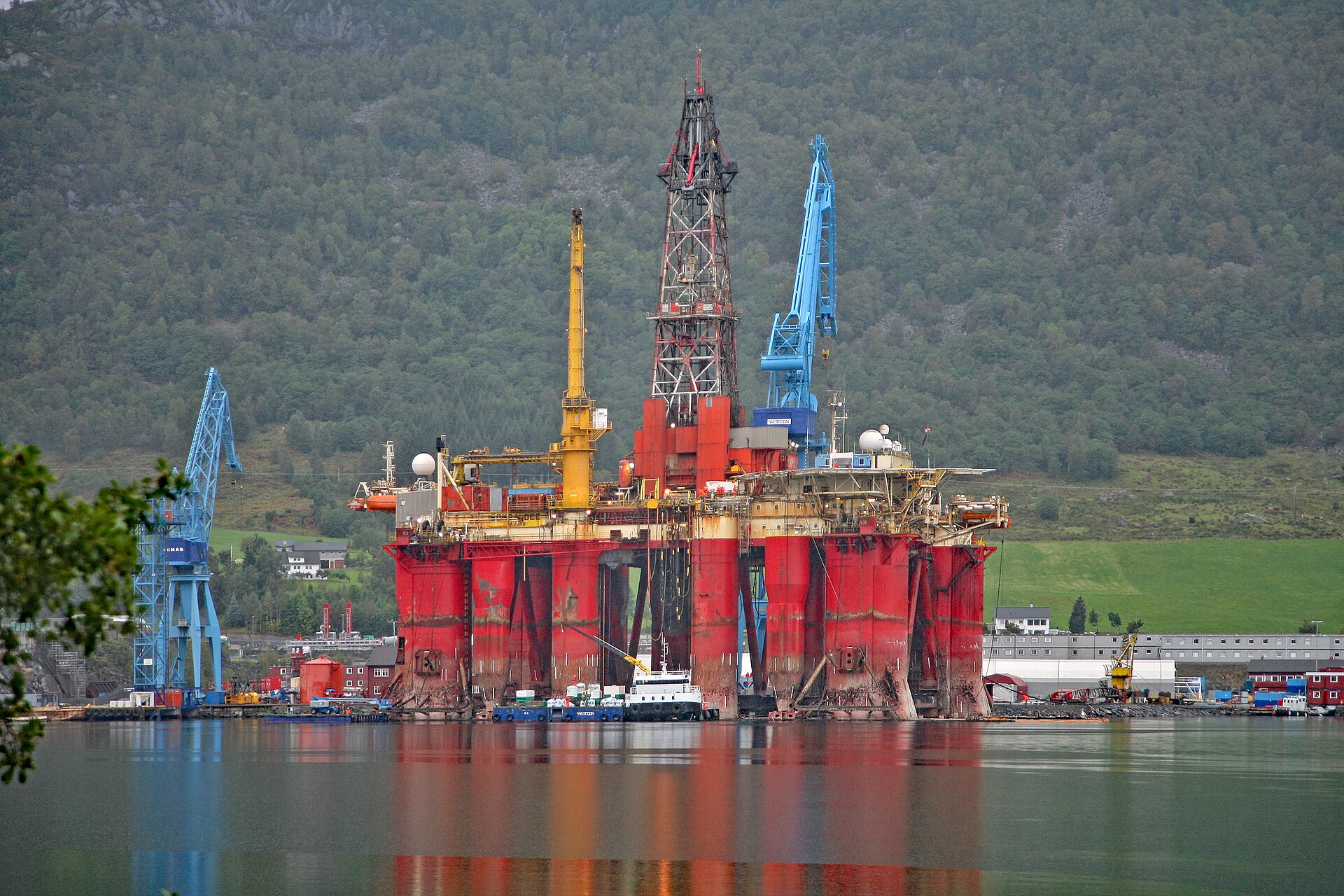
Offshore oil operations off Guyana
Offshore oil operations off Guyana. (Photo: Wikimedia Commons)
Live Company IntelligenceGrupo Aeroportuario del Pacífico S.A.B. de C.V — the full investor dossierInside: live share price, market cap, three-year financials, valuation, ESG and peer benchmarks — plus the latest Rio Times coverage.
G
◆ Live Company Intelligence
Grupo Aeroportuario del Pacífico
MX: GAPBGAPIndustrialsAirports & Air Services3,841 employees
MX$220.32B
Market cap

Valuation & profitability

Market capMX$220.32B
Revenue (TTM)MX$33.25B
P / E ratio20.1
Profit margin30.8%
Return on equity28.0%

Price & risk

52-wk low
$369.44
52-wk high
$512.65
Beta (volatility)0.31
200-day average$433.50

Revenue trend · 6y

20202025
Latest MX$41.41B

Ownership

Institutions27.3%
Shares outstanding519M

Dividend

Yield5.5%
Payout ratio39.8%
Fwd. annual$16.84
What Grupo Aeroportuario del Pacífico does. Grupo Aeroportuario del Pacífico, S.A.B. de C.V., together with its subsidiaries, develops, operates, and manages airports in Mexico and Jamaica. The company operates twelve international airports in the Pacific and Central region of Mexico; and two international airports in Jamaica. It also offers aeronautical services, such as passenger, aircraft landing, parking charges,…
Data: RT fundamentals (GAPB.MX) · figures in MXN · as of 11 Aug 2026More company intelligence →

Why Output Above 900,000 Barrels Raises the Stakes

The dispute has grown louder because the underlying numbers have grown larger. ExxonMobil and its partners announced in late 2025 that Stabroek had reached 900,000 barrels per day, and OilNOW reported output around 903,000 bpd in April 2026, after a record above 918,000 bpd earlier in the year.

Every additional barrel widens the pool of revenue over which the ring-fencing question is argued. Guyana, a country of roughly 800,000 people, has moved in a few years from negligible production to one of the world’s fastest-growing oil provinces.

ExxonMobil operates the block with a 45% stake, alongside Hess with 30% and CNOOC with 25%. New developments such as Yellowtail, which started up in 2025, and the planned Uaru and Whiptail projects are each designed to add around 250,000 barrels per day, keeping capital spending high for years to come.

ExxonMobil’s Position and the 2016 Contract

ExxonMobil has consistently said its investments comply with the production sharing agreement signed in 2016, a contract negotiated before first oil and widely criticized inside Guyana for terms seen as favorable to the companies. That agreement does not contain an explicit ring-fencing provision.

The company argues that developing the block as an integrated whole lowers unit costs and speeds up production, and that Guyana benefits from faster development and royalty payments in the meantime. It also notes that it has recovered much of its early investment, a milestone critics say should now be shifting more profit oil to the state.

The government of President Irfaan Ali has resisted reopening the 2016 deal, wary of legal risk and of unsettling investors. Officials have suggested ring-fencing would apply to future licenses rather than the existing Stabroek arrangement, a stance critics regard as too cautious.

What Ring-Fencing Would (and Would Not) Change

Advocates make a key technical claim: ring-fencing does not require tearing up the contract. Ram has argued that the government could apply the principle administratively, through tax and cost-recovery rules, without a full renegotiation of the agreement.

If applied, ring-fencing would slow the rate at which exploration and new-project costs are deducted from producing fields, lifting the state’s near-term profit-oil share. It would not raise the headline royalty or change ownership stakes; it would change the timing of when Guyana collects a bigger cut.

What it would not do is resolve the broader debate over whether the 2016 terms were fair in the first place. Ring-fencing is one lever among several — royalties, taxes and the profit-oil split are others — and even its strongest backers frame it as a partial fix rather than a wholesale rewrite.

What It Means for Guyana’s Next Decade

For a foreign reader, the stakes are less about a single accounting rule than about how a small country manages a sudden, enormous windfall. Decisions taken now about cost recovery will shape the pace at which oil money flows into schools, roads and a sovereign wealth fund.

The opposition and civil-society groups have kept ring-fencing on the national agenda. With ExxonMobil’s development pipeline stretching toward a targeted capacity of more than 1.7 million barrels per day, the question of who pays for new projects, and when, will recur with each new vessel.

The bottom line is that the “cost” cited by critics is a projection tied to contested assumptions, not an established fact certified by an international lender. Whether Guyana acts on it will be one of the defining tests of how the country converts geology into lasting national wealth.

Frequently Asked Questions

What is ring-fencing in an oil contract?

Ring-fencing is an accounting rule requiring the costs of each project or license to be recovered only from that project’s own revenue. Without it, a company can deduct spending on new developments from the income of fields already in production, delaying the government’s larger profit share.

Who says Guyana is losing billions?

The claim comes from civil-society critics — notably accountant Christopher Ram and the Oil & Gas Governance Network, reported by outlets such as Kaieteur News and OilNOW — not from the IMF or IDB. They estimate the missing clause reduced Guyana’s 2025 profit-oil entitlement by roughly US$4.9 billion.

How much oil does the Stabroek Block produce?

Output crossed 900,000 barrels per day in late 2025 and averaged about 903,000 bpd in April 2026. ExxonMobil operates the block with a 45% stake, alongside Hess (30%) and CNOOC (25%).

Sources

Kaieteur News · Kaieteur News / OGGN · OilNOW · ExxonMobil · OGGN

Connected Coverage

Guyana’s oil boom has reshaped the economic map of the Guianas and the wider region.

Expats Across Latin America on The Rio Times

Sources: Kaieteur News; Oil & Gas Governance Network; OilNOW; ExxonMobil.

This article was produced by The Rio Times’ automated newsroom system. How we use AI · Report an error

Read More from The Rio Times

The Rio Times · Power Map
See who really holds power in Latin America
Click to open the Power Map

Rotate for Best Experience

This report is optimized for landscape viewing. Rotate your phone for the full experience.