
HAITI · SECURITY
Published Thursday, Nov. 12, 9:40 p.m. ET (same time in Port-au-Prince) · Source: Haitian National Police, Salvadoran presidency
Key Facts
- What Haiti’s police say they retook Sylvio Cator Stadium in Port-au-Prince from gangs after about two years.
- Who Police and a special unit called the Task Force; Salvadoran soldiers now guard the site.
- Next El Salvador’s president says his troops will build a base there to push deeper into gang territory.
- Unknown Police gave no exact hour, no troop numbers and no casualty figures.
This story is part of our coverage of the haiti crisis. Dates, times and how to follow it are in our guide.
In plain English
Gangs have held much of Haiti for years, and in 2024 they seized the national football stadium in the capital. Haiti’s police and troops from El Salvador, whose president Nayib Bukele is known for a harsh crackdown on gangs at home, say they have taken it back.
For two years, Haiti’s national football stadium belonged to gangs. On Thursday, 12 November 2026, police said it is theirs again.
Haiti’s National Police said they retook Sylvio Cator Stadium in downtown Port-au-Prince in the early hours of that day. It is the latest turn in the Haiti crisis, in which armed groups control much of the country.
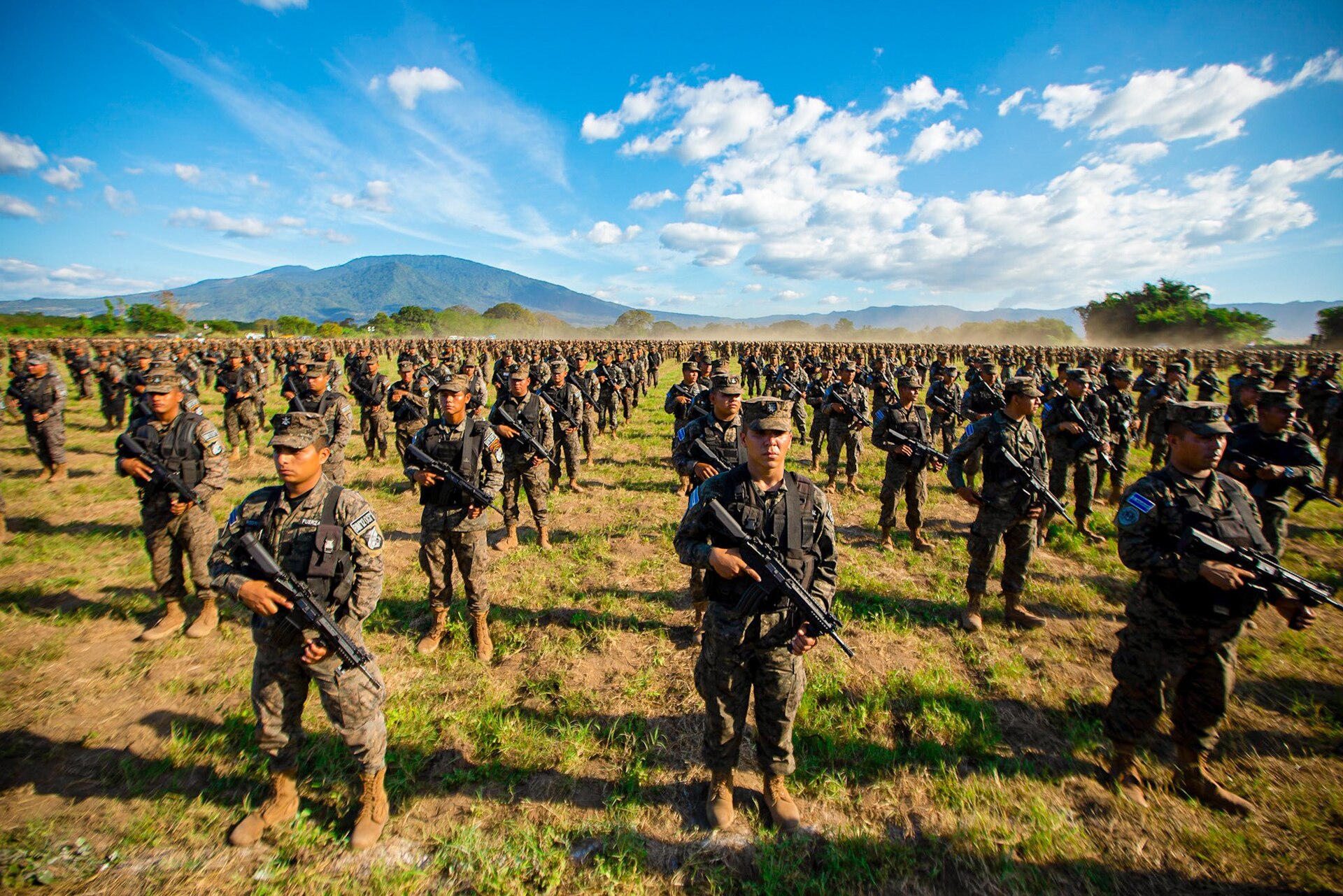
Police said in a statement that they regained control of the stadium and its surroundings together with a special unit they call the Task Force. They then handed security of the site to Salvadoran soldiers, troops sent by El Salvador to help fight Haiti’s gangs.
Why This Stadium Matters
Sylvio Cator opened in 1953 and holds about 10,000 spectators. It was the home ground of Haiti’s national football team until the violence forced the players abroad.
The stadium stands in central Port-au-Prince, near the Bicentenaire district, the Portail-Léogâne area and the roads leading to Martissant. That position gives its holders a view of key access routes into the city.
Haiti played its home World Cup qualifiers in Curaçao instead. The team, coached by France’s Sébastien Migné, still reached its second World Cup finals, then lost all three group games, to Scotland, Brazil and Morocco.
Bukele Promises an Offensive
Bukele wrote on X (formerly Twitter) in Haitian Creole on Thursday that his forces would now set up an operational base in the stadium. He said they would use it to advance into the heart of gang-held territory.
He told gang members to leave and warned that those who stay to fight will bear the consequences. His video shows soldiers and armoured vehicles inside the stadium.
About 2,000 Salvadoran soldiers arrived in late October. Bukele’s methods at home have drawn accusations of human rights abuses.
The Gang Suppression Force, the United Nations-backed multinational mission in Haiti, is a separate body. On Tuesday, 10 November, Bukele said his troops had destroyed the headquarters of 400 Mawozo, one of Haiti’s main gangs, based around Croix-des-Bouquets near the capital.
What It Means for US Readers
The 400 Mawozo gang kidnapped 17 missionaries from Christian Aid Ministries, an Ohio-based charity, in October 2021. Sixteen were Americans and one was Canadian, and all had been freed or had escaped by mid-December 2021.
A Salvadoran-led push against that gang is therefore a story with an American memory attached. Travellers should keep treating Haiti as unsafe; our Haiti travel safety guide has the details.
What Is Not Known
The police statement gave no exact hour, no count of the officers or soldiers involved and no casualty figures. How the work was split between police, the Task Force and Salvadoran troops, is unclear.
The base is so far Bukele’s announcement alone. We had found no reaction from the United Nations, the Gang Suppression Force (the UN-backed multinational mission) or Haiti’s government at the time of writing.
More: Latin America news in English, every day from The Rio Times.
Frequently Asked Questions
What did Haitian police announce?
They said they retook Sylvio Cator Stadium in Port-au-Prince from gangs in the early hours of Thursday, 12 November 2026. Salvadoran soldiers then took over security of the site.
What happens next at the stadium?
El Salvador’s president Nayib Bukele says his troops will set up an operational base there. He says it will support an offensive into gang-held areas.
Sources: Statement of the Haitian National Police Communications Directorate, 12 November 2026; post by El Salvador’s President Nayib Bukele on X, 12 November 2026 and his announcement of 10 November 2026; UN Integrated Office in Haiti (BINUH); Rio Times reporting on the Haiti crisis.
This article was produced by The Rio Times’ automated AI newsroom. Editorial responsibility: Matthias Camenzind, Publisher and Editor-in-Chief. The Rio Times also runs Ask Rio Times, which answers from 100,000+ of our own articles, the daily Latin America Power Map, and prediction-market odds on elections and markets.. How we use AI · Report an error
Haiti
- What Is Happening in Haiti?
- What Is Happening in Haiti?
- Haiti Gang Crisis Explained 2026 Gangs and the UN Force
- Haiti’s July 2027 Vote, What US Travellers Need to Know