South Africa’s Implats Halts Rustenburg Mine After 6 Deaths
Mining · South Africa
Key Facts
—Suspension. Impala Platinum halted mining at its Rustenburg complex in South Africa for a safety reset after six worker deaths.
—The toll. The producer logged four fatal workplace injuries in the year to June 30, followed by two underground locomotive fatalities in July.
—The site. Rustenburg employs about 51,500 people and accounts for almost half of Implats’ total output.
—The reset. During the shutdown the company ran inspections, targeted training and a mass employee engagement, and appointed independent safety specialists.
—Union count. The AMCU union said seven workers had died at the operations since the start of 2026, one more than the company’s tally of six.
One of the world’s largest platinum producers has stopped its biggest mine to confront a deadly year. Impala Platinum suspended its Rustenburg operations for a company-wide safety reset after six worker deaths, halting output at one of the sector’s most important sources.
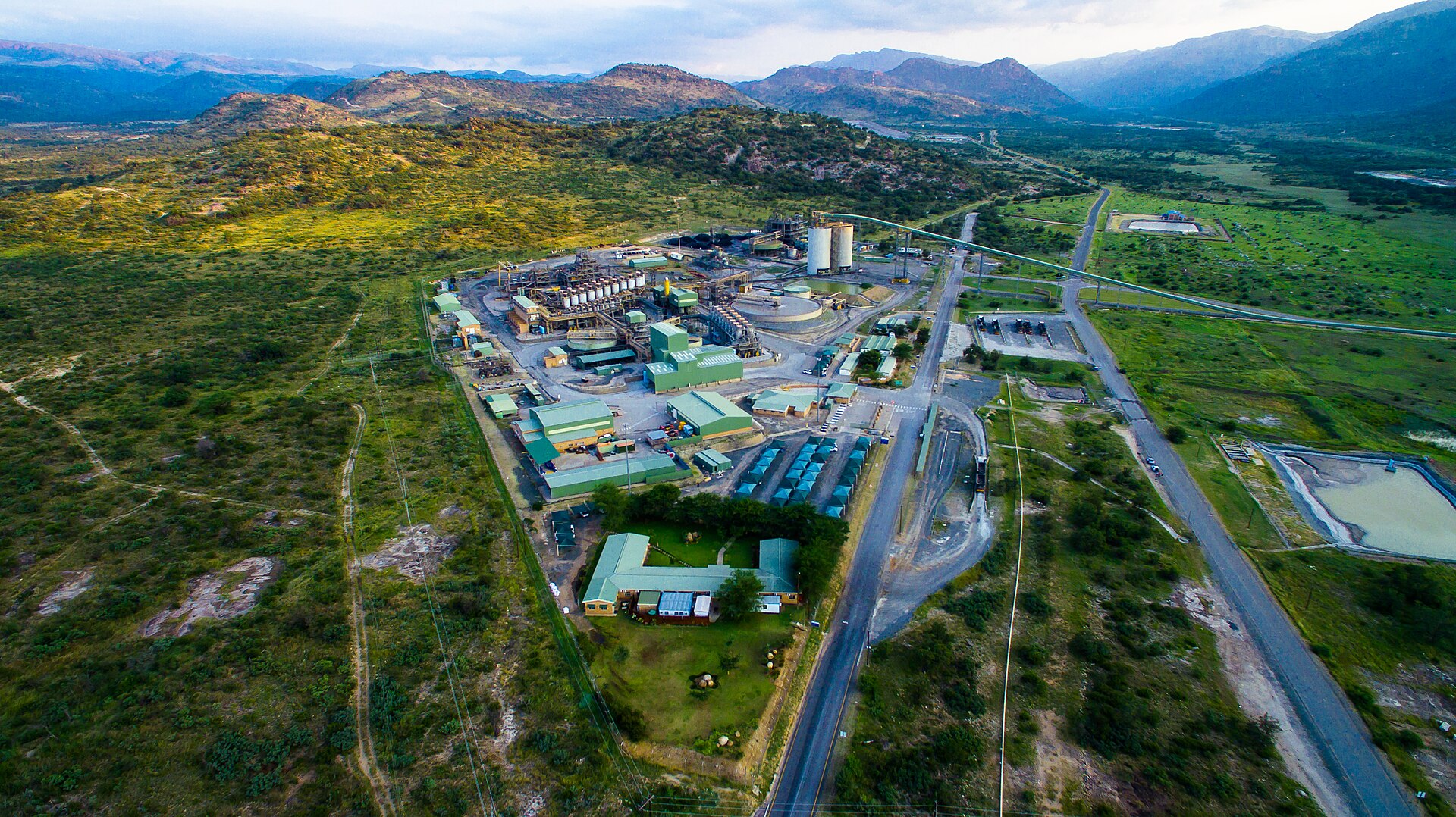
A deadly stretch
Impala Platinum, known as Implats, suspended mining at its Rustenburg complex for several days after a run of fatal accidents. The company recorded four fatal workplace injuries in the financial year ended June 30, then two underground locomotive fatalities in July that pushed it to act.
The pause was framed as a safety reset rather than an operational or commercial decision. Rustenburg is the heart of Implats’ business, and its safety record has come under intense scrutiny from regulators, unions and investors alike.
For readers unfamiliar with South Africa’s mining landscape, a “safety reset” is a deliberate, company-wide halt to production. It goes beyond a routine inspection by pulling every worker off the job to refocus on procedures, often after a cluster of serious incidents.
Such resets are rare because they are expensive: every day of lost output at a major complex directly hits revenue.
What the reset involves
During the shutdown Implats carried out workplace inspections, targeted training and a mass employee engagement session across the complex. It also appointed independent specialists to assess its safety systems and recommend improvements before a full restart.
The company said the goal was to interrupt the pattern of incidents and reinforce safe-work standards. Production at the affected shafts was halted for the duration of the reset, with a phased return planned once checks were complete.
Bringing in outside specialists is a significant step. It signals that management wants an extra layer of accountability beyond its internal teams, and it often forms part of a company’s effort to rebuild trust with a workforce that may feel safety took a back seat to production targets.
Why Rustenburg matters
Rustenburg employs about 51,500 people and accounts for almost half of Implats’ total production. A multi-day stoppage there is material for the company and ripples through the global platinum-group-metals market.
Platinum, palladium and rhodium from the complex feed autocatalysts and industrial users worldwide. Extended safety stoppages can tighten supply from one of the sector’s largest single sources, supporting prices even as demand shifts.
To understand the scale, Rustenburg is not a single shaft but a sprawling complex of underground operations spread across the western limb of the Bushveld Igneous Complex, the geological formation that holds the planet’s largest known reserves of platinum-group metals. When output here slows, the global supply chain for catalytic converters—used in vehicles to reduce harmful emissions—feels the pinch.
A contested toll
The AMCU union said seven workers had died at Impala’s Rustenburg operations since the start of 2026, one more than the company’s stated count of six. The gap highlights long-running tension between labour and management over how mine-safety incidents are recorded and addressed.
South Africa’s deep platinum shafts are among the most demanding mining environments in the world. Clusters of fatalities routinely trigger regulatory attention, Section 54 stoppage orders and union pressure for tighter controls.
A Section 54 order, named after the relevant part of South Africa’s Mine Health and Safety Act, gives government inspectors the power to shut down all or part of a mine on the spot if they believe safety is at risk. These orders are feared by operators because they can halt production with no warning, and the financial damage mounts by the hour.
The discrepancy in the death toll between the company and the union also matters because it can influence whether regulators decide to issue such an order.
What comes next
Investors will watch how quickly Rustenburg returns to full output and whether the independent review leads to lasting changes. A prolonged disruption would weigh on Implats’ production guidance for the year.
For the wider industry, the episode is another reminder that safety performance is now central to the social licence of South African mining. Regulators have signalled they will keep pressing producers to bring fatality rates down.
Several open questions will shape the story in the coming weeks. Will the independent specialists recommend structural changes to how locomotives operate underground, or will the fixes be mostly procedural?
Can Implats and the AMCU union agree on a single, transparent method for counting fatalities, or will the disputed number continue to fuel mistrust? And if the phased restart hits unexpected delays, how will the company balance its safety promises against pressure from shareholders to meet production targets?
The answers will determine whether this reset becomes a turning point or just a costly pause.
Frequently Asked Questions
Why did Implats halt Rustenburg?
The company suspended mining for a safety reset after six worker deaths, including two underground locomotive fatalities in July on top of four workplace fatalities in the year to June 30.
How big is the Rustenburg operation?
Rustenburg employs about 51,500 people and accounts for almost half of Implats’ total platinum-group-metals output.
Do the union and company agree on the death toll?
No. The AMCU union counted seven deaths since the start of 2026, while Implats put the figure at six.
Sources
Connected Coverage
South Africa’s Central Bank Turns Dovish, Sending the Rand Toward 17 per Dollar
Russia-Africa Information Warfare Exposed in Angola Spy Trial
Sources: Impala Platinum; AMCU union.
This article was produced by The Rio Times’ automated newsroom system. How we use AI · Report an error
LatAm Markets: Live Signals → — real-time movers, turnover leaders and FX across Latin America.
Read More from The Rio Times