Kenya Fuel Consumption Defies Steep Price Rises in 2026
Kenya · ENERGY
Key Facts
—Demand rebound: Domestic petroleum consumption rose 6.94 percent to about 5.84 million cubic metres in the 2024/25 fiscal year, according to the Energy and Petroleum Regulatory Authority.
—High prices: Super petrol stood at KSh 188.84 (about US$ 1.46) per litre and diesel KSh 171.60 (about US$ 1.33) from July to September 2024, still below the record highs above KSh 211 per litre set in late 2023.
—Diesel and petrol: Diesel use grew 1.39 percent to about 2.19 million tonnes and super petrol rose 1.02 percent to 1.47 million tonnes in 2024, the first growth in three years.
—LPG surge: Liquefied petroleum gas demand jumped 15 percent in 2024 to around 414,861 tonnes, lifting per-capita consumption from 7.0 to 7.9 kilogrammes.
—Subsidy removal: The International Monetary Fund confirmed petrol subsidies were fully eliminated by September 2022 under Kenya’s Extended Fund Facility and Extended Credit Facility programme.
—Regional hub: Over 9 million cubic metres of petroleum were imported in fiscal 2023/24, with only about 55 percent consumed domestically and the rest moving to regional transit markets.
Kenya fuel consumption has rebounded sharply despite steep pump prices and the removal of fuel subsidies under an International Monetary Fund programme, with domestic petroleum demand rising 6.94 percent in the 2024/25 fiscal year.
What the data show on Kenya fuel consumption
The Energy and Petroleum Regulatory Authority (EPRA) recorded a 2.83 percent fall in domestic petroleum consumption to about 5.58 million cubic metres in the fiscal year to June 2023. The following year brought another small decline of about 2.1 percent to 5.46 million cubic metres.
But the trend reversed decisively in the 2024/25 fiscal year, when demand climbed 6.94 percent to roughly 5.84 million cubic metres. EPRA attributed the rebound to lower international prices and increased economic activity.
Provisional 2024 data cited by the Business Daily and EPRA show diesel consumption rising 1.39 percent to about 2.19 million tonnes. Super petrol use edged up 1.02 percent to 1.47 million tonnes, marking the first growth in three years.
Why fuel demand remains sticky in Kenya
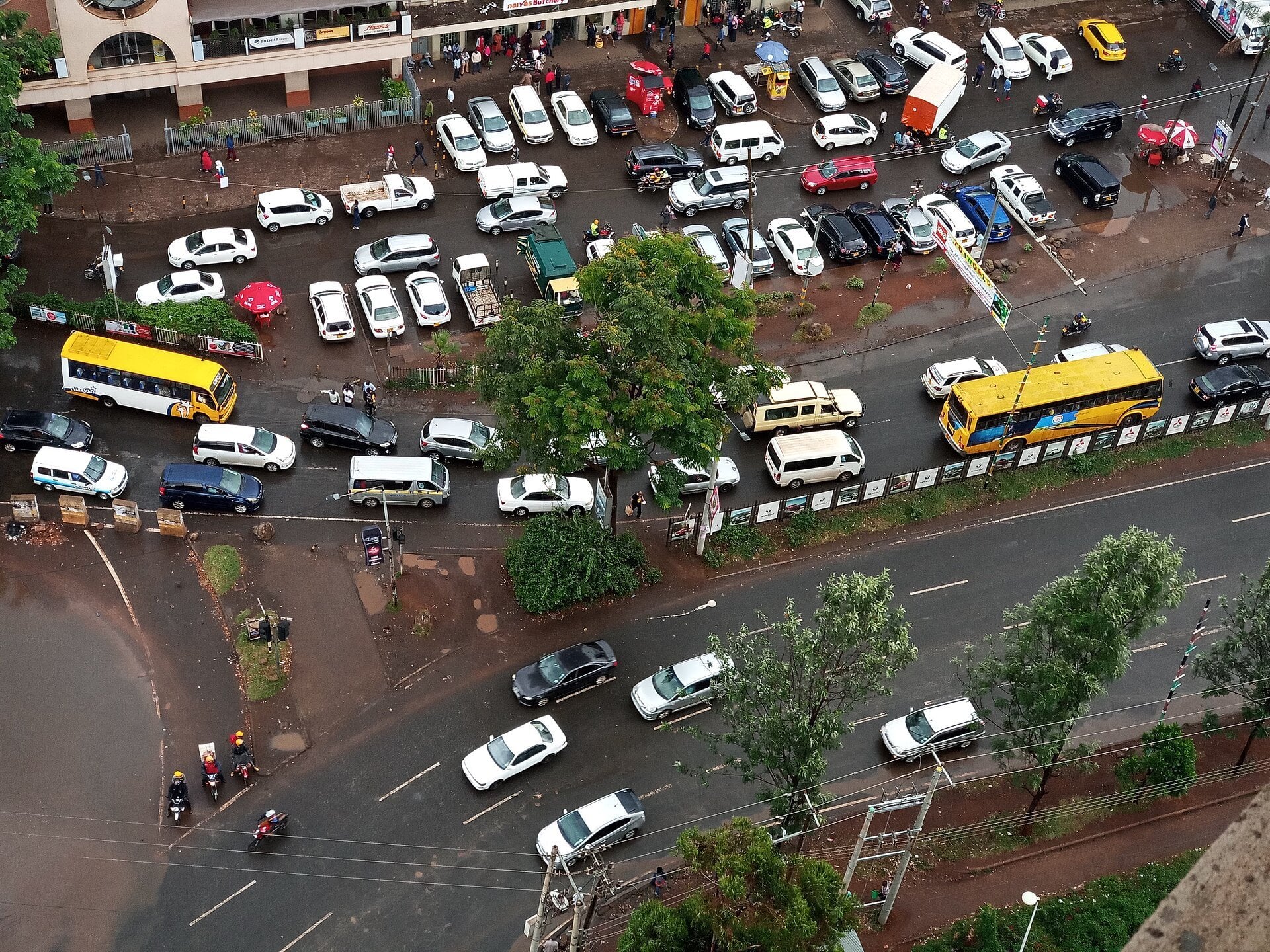
Diesel powers Kenya’s public transport matatus, freight trucks, agriculture and industry, leaving little room for sharp cutbacks without paralysing commerce. Car-dependent urban areas such as Nairobi, Mombasa and Nakuru offer limited short-term substitutes.
Kenya also functions as a regional fuel hub, with over 9 million cubic metres of petroleum imported in fiscal 2023/24. Only about 55 percent was consumed domestically, while the balance moved into transit markets serving Uganda, South Sudan and eastern Democratic Republic of Congo.
Households have switched away from kerosene towards liquefied petroleum gas rather than sharply reducing total energy use. Kerosene demand has collapsed since 2018 due to an anti-adulteration levy, while LPG consumption surged 15 percent in 2024 to around 414,861 tonnes.
The politics and money behind high pump prices
Kenya entered an International Monetary Fund Extended Fund Facility and Extended Credit Facility programme in 2021. An IMF staff report from December 2022 notes that petrol subsidies were fully eliminated by September 2022, with the remaining cross-subsidisation of diesel and kerosene ending on 15 May 2023.
The IMF described fuel subsidies as unsustainable given Kenya’s limited fiscal space. The government also raised value-added tax on fuel from 8 percent to 16 percent in 2023, pushing pump prices to historic highs while satisfying conditions for continued IMF financing.
The shift moved the burden from the Treasury, which had accumulated arrears to oil marketers, onto consumers. Excise, VAT and levies on fuel remain major revenue sources, giving the state an incentive to keep fuel taxes high during a period of debt-servicing stress.
Kenya in the great-power energy contest
The IMF programme ties Kenya into a Western-centric financial governance framework, with fuel pricing policy serving as a litmus test of policy reliability. Abrupt re-subsidisation would risk derailing IMF reviews and jeopardising future disbursements.
At the same time, Kenya’s petroleum procurement is increasingly linked to deferred-payment and government-to-government deals with Gulf suppliers, which relieve immediate pressure on foreign reserves. This creates a dual dependence on Western institutions for budget support and Gulf producers for day-to-day fuel supply.
China financed key logistics assets including the Standard Gauge Railway and elements of port infrastructure, which integrate with the fuel value chain from Mombasa to Naivasha. Fixed debt obligations on those investments increase pressure on Kenya to maintain high throughput volumes of fuel and other cargo.
Kenya also competes with Tanzania’s Dar es Salaam corridor as the principal fuel gateway to the Great Lakes region. Maintaining reliable, high-volume fuel flows at predictable prices is central to preserving Mombasa’s dominance, a dynamic explored in Africa: The New Scramble.
Winners and losers from Kenya fuel consumption trends
The fiscal authorities have emerged as clear winners, securing IMF support and stabilising revenues by shifting from subsidies to taxation. Local importers and marketers also benefit from margins embedded in the regulated pricing formula, though they suffered during the period of unpaid subsidies.
Urban and peri-urban consumers have borne the heaviest burden through higher transport and food costs. Kenya National Bureau of Statistics data show reductions in petrol and diesel consumption in early 2024 even after some price declines, implying demand rationing by poorer households and small businesses.
Low-income households formerly reliant on kerosene saw prices spike and shifted to LPG where possible. But the upfront cost of cylinders and cookers remains a barrier for many families.
What to watch next for Kenya fuel consumption
International Murban crude prices eased from highs near US$ 89 per barrel in June 2024 to around US$ 67 to 68 by June 2025. That decline allowed modest domestic price reductions and helped release pent-up demand.
The Petroleum Institute of East Africa expects moderating inflation and a stronger shilling to support economic growth in the medium term. Yet fuel consumption growth remains sluggish outside the LPG segment.
Super petrol peaked near KSh 192.84 (about US$ 1.49) per litre in mid-2024, and any renewed crude price spike would test the resilience of Kenyan demand once again. The energy transition remains additive rather than substitutive, with renewables expanding while oil products stay central to growth.
Frequently Asked Questions
How much did Kenya fuel consumption rise in 2024/25?
Domestic petroleum demand rose 6.94 percent to about 5.84 million cubic metres in the 2024/25 fiscal year, according to EPRA.
What were the highest fuel prices recorded in Kenya?
Kenya’s highest recorded pump prices came in the September-October 2023 cycle, when super petrol hit about KSh 211.64 (US$ 1.41) and diesel KSh 200.99 (US$ 1.34) per litre. Prices had eased to KSh 188.84 (US$ 1.46) and KSh 171.60 (US$ 1.33) per litre by July-September 2024.
When did Kenya remove fuel subsidies?
Petrol subsidies were fully eliminated by September 2022 under Kenya’s IMF Extended Fund Facility and Extended Credit Facility programme.
Connected Coverage
Kenya’s fuel resilience sits within the wider contest for East African energy corridors and infrastructure finance explored in Africa: The New Scramble.
Sources
This article was produced by The Rio Times’ automated newsroom system. How we use AI · Report an error
LatAm Markets: Live Signals → — real-time movers, turnover leaders and FX across Latin America.
Read More from The Rio Times