Light Reaches the End of a Three-Year Judicial Recovery
BRAZIL · UTILITIES
Key Facts
- —The decision Rio de Janeiro’s 3rd Business Court declared on 9 September that Light had fulfilled the obligations of its recovery plan.
- —How long The distributor filed for judicial recovery on 12 May 2023. That is three years and four months.
- —The size Around R$11 billion of debt was restructured.
- —Who signed off The judicial administrator and the Rio de Janeiro public prosecutor both gave favourable opinions.
- —The caveat The court must still accept the petition and formally order closure. Light is the party asking for it.
- —What it means A distributor serving Rio de Janeiro comes out of court protection with its concession intact.
Light went into judicial recovery in May 2023 with R$11 billion of debt and a concession nobody was sure it would keep. It is coming out with both settled.
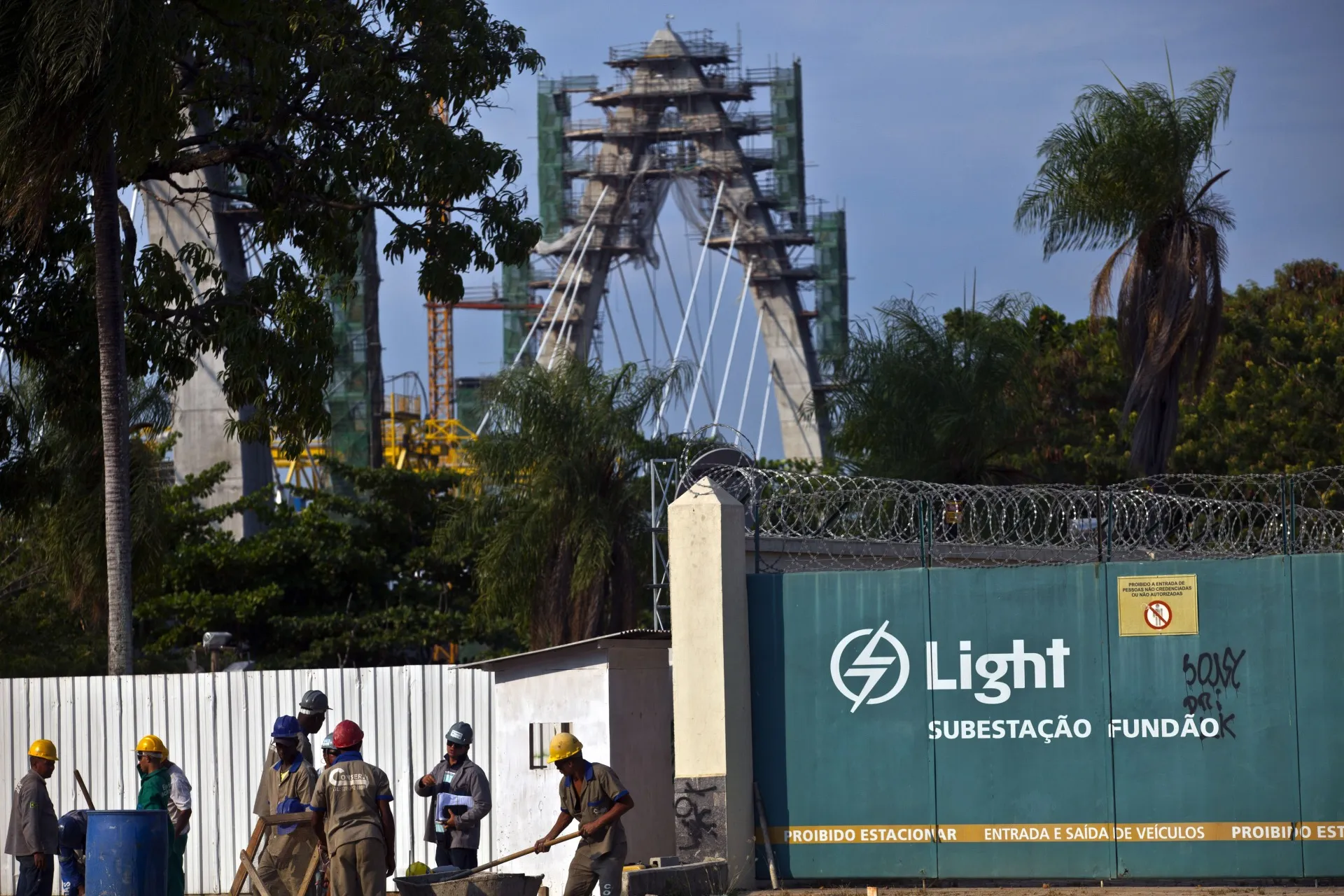
Rio de Janeiro’s 3rd Business Court declared on Wednesday that Light had met the main obligations of its judicial recovery plan, clearing the way for the electricity distributor to exit court protection after more than three years.
What the Court Decided
The 3ª Vara Empresarial do Rio de Janeiro declared the plan’s obligations fulfilled on 9 September, following favourable opinions from the judicial administrator and from Rio de Janeiro’s public prosecutor.
One point deserves care. The declaration that obligations are fulfilled is not identical to the formal closure of the process. The judge must still accept the petition and order the recovery terminated. Light is the party petitioning for that.
Coverage describing the exit as complete is ahead of the paperwork, if not by much.
The Numbers
Light filed for recuperação judicial on 12 May 2023. From filing to Wednesday’s declaration is three years and four months.
Around R$11 billion of debt was restructured through the process.
For context on how unusual completion is: Brazilian judicial recoveries frequently run longer, convert into bankruptcy, or end with the operating assets sold to somebody else. Light kept its concession and its operations through the whole period.
Why It Matters Beyond Light
Light distributes electricity in Rio de Janeiro. A distribution concession is not an asset that can be quietly wound down, because the service has to continue regardless of who owns the company or what state its balance sheet is in.
That constraint is exactly what makes distributor insolvencies difficult, and it is why the regulator and the court both had to be satisfied at each stage.
The precedent now on the record is that a large Brazilian distributor can restructure R$11 billion inside the judicial recovery framework and come out the other side still holding its concession.
How Light Got There
Light distributes electricity across Rio de Janeiro city and part of the surrounding state, one of the most difficult distribution territories in Brazil.
Its central operating problem is non-technical loss, which is the industry term for electricity that is delivered and not paid for. In Light’s concession area a large share of that is theft through irregular connections in territories where the company’s employees cannot safely enter.
Non-technical losses in parts of the network have run at multiples of what regulators consider manageable, and the regulatory tariff only recognises a portion of them. The difference is absorbed by the company.
Layered on top were the cost of capital during a period of high Brazilian rates and a concession renewal question that was unresolved for years. The May 2023 filing followed from all of it.
What Distributor Insolvency Actually Involves
A judicial recovery normally works by giving a company breathing room while it decides what to keep and what to shut. A distribution concession removes that option, because the service is a legal obligation and the network cannot be turned off.
That means the restructuring has to happen while the operation continues at full capacity, with the regulator supervising service quality throughout and with the power to intervene if it deteriorates.
ANEEL has the authority to take over a failing concession and appoint an intervenor. That possibility hung over the entire process and shaped what creditors were prepared to accept, because a concession lost to intervention is worth nothing to them.
The bargaining therefore ran between creditors who needed the concession preserved and a regulator whose obligation was to consumers rather than to creditors.
What the Precedent Establishes
The result is a template Brazil did not previously have: R$11 billion restructured inside the ordinary judicial recovery framework, service maintained, concession retained.
That matters beyond Light because Brazilian distribution has other stressed operators, and because the sector faces a decade of capital expenditure on grid modernisation and distributed generation that will be funded by companies with varying balance sheet strength.
A creditor now has a worked example of what recovery looks like in a regulated utility. That should, at the margin, lower the cost of lending to the sector.
The remaining step is procedural. Light has petitioned for formal closure and the judge must accept it.
More: Brazil news in English, every day from The Rio Times.
Frequently Asked Questions
What did the court decide?
Rio’s 3rd Business Court declared on 9 September 2026 that Light had fulfilled the obligations of its judicial recovery plan.
Is the recovery formally over?
Not quite. The judge must still accept the petition and order closure. Light is the party requesting it.
How long did it take?
Light filed on 12 May 2023, so three years and four months to the declaration.
How much debt was restructured?
Around R$11 billion.
Does Light keep its concession?
Yes. The distributor came through the process with its Rio de Janeiro concession and operations intact.
Sources: Atlas Público, Canal Solar.
This article was drafted with automated assistance and reviewed before publication. How we use AI · Report an error
Read More from The Rio Times