Why Machu Picchu Looked Sold Out as Eight Firms Held 209,051 Bookings
Key Facts
Machu Picchu is sold through one state website, and for months that website showed almost nothing for sale. An audit has now counted how many seats eight tour firms held and then let go.
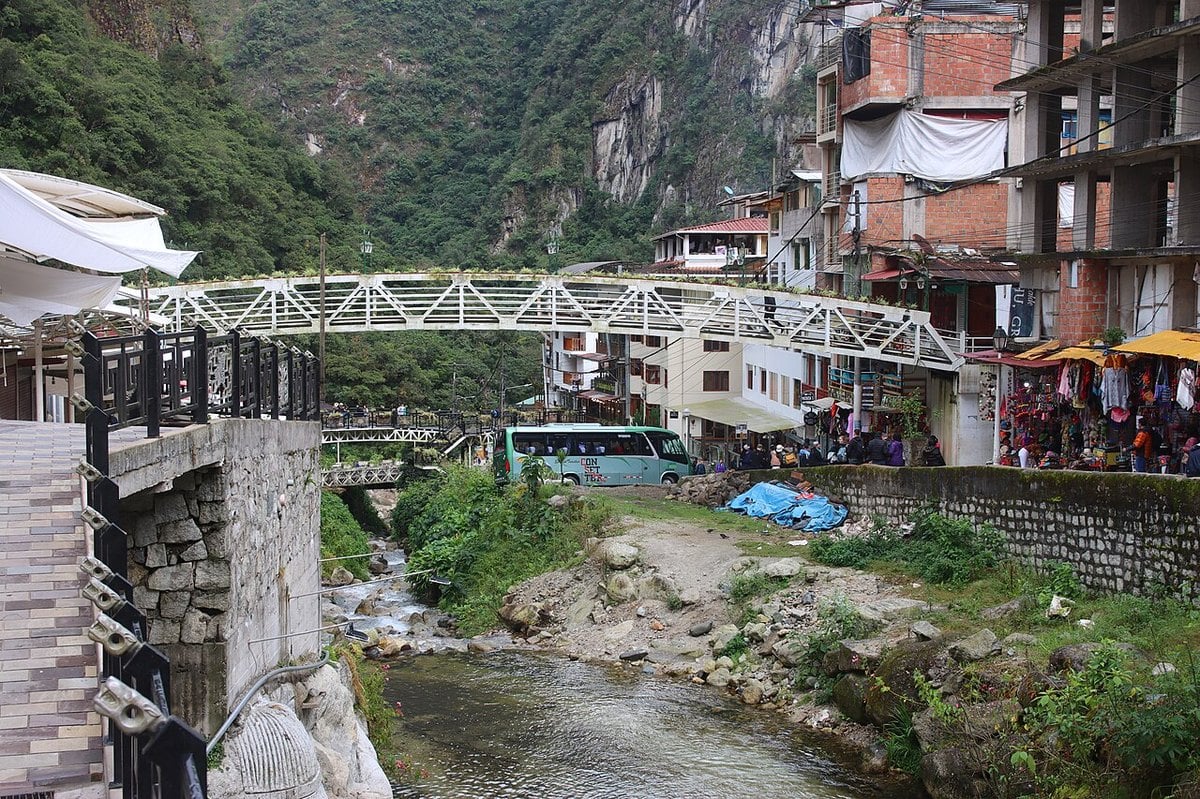
Peru’s culture minister, Alberto Beingolea, said on 11 September 2026 that most of almost 210,000 audited reservations had been cancelled. Media reports six days later linked those reservations to eight tourism companies named in a state audit.
Why This Matters
Machu Picchu is a 15th-century Inca citadel on a mountain ridge in Peru, 2,430 metres above sea level. UNESCO listed it as a World Heritage Site in 1983, and an online poll named it a New Seven Wonder in 2007.
The site drew about 1.6 million people in 2019, its record year. To protect the ruins, Peru caps daily entries and sells tickets through a single government website.
That design makes every held seat matter, because there is no second official channel to absorb demand. If agencies can freeze seats without paying, independent travellers see empty calendars months ahead.
The audit now puts an official number on that problem. For travellers from Brazil, Europe or the United States, it helps explain why the site so often showed no tickets.
What the Audit Found
Beingolea set out the figures at a press conference on 11 September 2026. He said a review of almost 210,000 reservations had found 131,626 of them cancelled.
The numbers come from audit report 007-2026-2-5765-AC on the state ticket platform Tu Boleto, meaning Your Ticket. The Peruvian site Evidencia.pe linked the audit to the Ministry of Culture, and we could not confirm which body produced it.
The exact count reviewed was 209,051 reservation operations placed by eight tourism companies. Of those, 131,626 were annulled and at least 73,956 ended in a completed payment.
Beingolea said the held seats made the site look sold out to ordinary buyers. “If you enter now, you find no tickets until December,” he told reporters.
The Companies Named
The audit report itself has not been published in full. The eight names were reported by the Peruvian site La Lupa and carried by Infobae.
They are Enjoy Machupicchu Travel, Treppid, Inca Path Peru, Enjoy Cusco and Tripscape Travel. The list also includes Quimbaya Tours, South American Tours and Condor Travel.
Peru21, a Lima newspaper, reported in March 2026 that the first five averaged over 1,200 cancellations a day in 2025. Across the first 45 days of 2026 those same five averaged 345 cancelled tickets a day.
The Rio Times found no public comment from the other seven firms named in those reports. Being named in an audit is not a finding of wrongdoing, and no prosecution has been announced.
What Condor Travel Says
Condor Travel denies the allegation and says it neither uses nor hires bots, the automated programs that grab tickets. It says the report puts its own annulment rate at 13.12 percent, from itinerary and payment problems.
Condor says its bookings are made by a sales and operations team of about seventy people. It also says the report shows three organisations with more than 90 percent of reservations annulled.
That, in its reading, points to an artificial freezing of seats by other operators. The audit summary made public so far does not say which firms those three are.
How the Ticket System Works
Machu Picchu is sold through a single state platform, tuboleto.cultura.pe, run by the Ministry of Culture. The site is divided into three circuits and ten sub-routes, each with a fixed entry time.
Circuit 1 is the panoramic route, Circuit 2 the classic one and Circuit 3 the royalty route. Some sub-routes, such as Inti Punku, the Sun Gate, and Gran Caverna, the Great Cavern, open only in high season.
The daily cap for 2026 is 5,600 visitors in high season and 4,500 the rest of the year. Ministerial Resolution 000285-2025-MC set both those numbers and the high-season calendar.
High season covers 1 January, 2 to 5 April, 19 June to 2 November and 30 to 31 December. Online sales for 2026 opened on 17 November 2025 and were released in monthly blocks.
A further 1,000 tickets are sold in person daily at the Centro Cultural in Machu Picchu Pueblo, the town below. Those counters open from 6am to 8.45pm and cover the same day or the next.
What a Ticket Costs
Prices are set in soles by ministerial resolution and differ sharply by nationality. A foreign adult pays S/152 (about US$45) for the standard llaqta, or citadel, ticket.
A Peruvian or Andean Community adult pays a promotional rate of S/64, about US$19. Conversions use the selling rate of S/3.372 per dollar on 16 September 2026, from the BCRP, Peru’s central bank.
Resolution 000284-2025-MC prices the two mountain routes and the Gran Caverna route at S/112, about US$33, for Peruvians. Peruvian students and children aged three to 17 pay S/32, about US$9.50, on most routes.
Sernanp, Peru’s protected-areas agency, also authorised a conservation charge on top of the ticket from 1 May 2026. It is S/11 for foreigners, about US$3.30, and S/5 for Peruvians, about US$1.50.
The Resale Question
Peru runs no official resale market for Machu Picchu tickets. Every ticket is personal, unique and non-transferable, and the name must match the document at the gate.
That rule, rather than a specific ban on reselling, is the practical block on a secondary market. The culture ministry has repeatedly warned travellers away from informal operators and unauthorised agencies.
In August 2026 it said some intermediaries offer tickets when the official system shows none. Infobae reported that the blocking mechanism may have let agencies hold seats and offer them on.
The audit did not establish that link, because it measured cancellations rather than onward sales. No official figure for resale mark-ups has been published, and none could be verified here.
What the Government Has Done
The main change is procedural and is due to take effect around 21 September. Buyers can no longer hold a reservation for three hours without paying for it.
They will have 15 minutes, after which the seat returns to the public pool. Each ticket must be tied to a named buyer and an identity document.
Beingolea said the mechanism would be running within about ten days of the announcement. The 1,000 walk-up tickets and the daily visitor caps were left unchanged.
On 16 September the culture ministry released Inca Trail slots that had been held without payment. It said the Cusco culture directorate had begun administrative and legal action against the operators identified.
Why the Site Keeps Making News
Ticketing is only one of several disputes around Machu Picchu. Consettur’s 30-year bus concession on the Hiram Bingham road up to the ruins expired on 4 September 2025.
Urubamba province awarded a four-month contract to a community firm, San Antonio de Torontoy. Protests and a rail blockade followed in September 2025, stranding around 2,000 visitors.
A humanitarian train evacuated more than 500 people on 17 September that year. Urubamba then annulled the Torontoy contract on 30 December 2025 over its declared bus fleet.
Consettur has kept running the road, charging US$24 return for foreigners and US$15 for Peruvians. Through 2026 the dispute has stayed in tenders and legal filings rather than on the tracks.
The Numbers Behind the Pressure
Demand is high, but arrivals are still short of where they once were. Mincetur, Peru’s trade and tourism ministry, counted 521,771 visitors to the sanctuary between January and May 2026.
That was 8.4 percent below 2025 and 88.7 percent of the same months in 2019. Foreign visitors made up 81.4 percent of the total and Peruvians 18.6 percent.
Peruvian visits fell 24.7 percent year on year, while foreign visits fell 3.6 percent. Rogers Valencia, the trade and tourism minister, said arrivals run nearly 15 percent under 2019.
What It Means If You Are Buying a Ticket
Buy only at tuboleto.cultura.pe, and read the address letter by letter before paying. The official site charges in soles and issues a ticket in your own name.
Have your passport number ready, because the name on the ticket is checked at the gate. Once the change lands you will have 15 minutes to pay, so set the card up before you begin.
Tickets offered outside the official platform are often sold by transfer, or issued in another name. Neither gets you through the turnstile, because staff verify identity, date and entry time.
If online dates are gone, the 1,000 daily counter tickets in Machu Picchu Pueblo are the fallback. Queues there start early, and those tickets are valid only for that day or the next.
What Is Not Yet Known
The audit report has not been released publicly in full. It is not clear whether any prosecutor has opened a case against the named firms.
Capotur, the Peruvian chamber of tour operators, asked prosecutors in March 2026 to examine suspected irregular practices. No prosecution, refund or account suspension has been announced since that request.
The culture ministry has not named the operators facing administrative action or said how many there are. A new carrying-capacity study is running, with field work carried out in September 2026.
Its findings could change the daily caps, the circuit design and the access rules. Whether the 15-minute payment window ends the blocking in practice will show only once it is running.
Frequently Asked Questions
Why does the Machu Picchu audit matter?
Tickets are sold only through one state website under daily caps. The audit suggests held and cancelled bookings made the site look sold out to ordinary travellers.
Who found the 210,000 blocked tickets?
The figure comes from audit report 007-2026-2-5765-AC on the Tu Boleto platform. Culture minister Alberto Beingolea presented it publicly on 11 September 2026.
Can I buy a Machu Picchu ticket from a reseller?
Tickets are personal and non-transferable, and the name is checked against your document. A ticket bought in someone else’s name will not admit you.
What changed on the platform this month?
The three-hour free reservation was removed and replaced by a 15-minute payment window. Daily caps and the 1,000 walk-up tickets were left unchanged.
Sources: UNESCO World Heritage Centre, Historic Sanctuary of Machu Picchu, New7Wonders, Machu Picchu, Infobae, audit names eight firms over blocked Machu Picchu tickets, Evidencia.pe, audit report 007-2026-2-5765-AC and the cancellation figures, Turiweb, government removes advance reservations and sets a 15-minute payment window, Turiweb, culture ministry releases blocked Inca Trail slots on 16 September, Infobae, 2026 tariffs and daily capacity by circuit, Infobae, Sernanp conservation charge from 1 May 2026 and base ticket prices, Turiweb, Mincetur visitor figures for January to May 2026, BCRP, banking system exchange rate series
This article was produced by The Rio Times’ automated newsroom system. How we use AI · Report an error
Read More from The Rio Times