Namibia Pressed on Buying Rössing Uranium Stake
NAMIBIA · URANIUM
Key Facts
- —What is Rössing One of the world’s longest-running open-pit uranium mines, in Namibia’s Erongo region. Rio Tinto sold control of it in 2019.
- —Who owns it now China National Uranium Corporation holds 68.6%. South Africa’s Industrial Development Corporation holds about 10.2% and the Namibian state about 3%, with 51% of the voting rights.
- —What is for sale The South African development corporation’s stake. It invited expressions of interest in January and 35 came in by the February deadline.
- —Why it is selling Its own annual report says continued investment is inconsistent with lender requirements that oblige it to exit relationships involving sanctioned parties.
- —What happened this week Opposition leader McHenry Venaani asked the government in parliament on 15 September whether it has filed a bid.
- —Who answers Industries, Mines and Energy Minister Modestus Amutse, due to reply on Thursday.
A stake in Namibia’s oldest uranium mine is for sale, and thirty-five buyers want it. Parliament is asking whether Namibia is one of them.

Namibian opposition leader McHenry Venaani put questions to the government in parliament on 15 September. He asked whether it has filed a formal bid for the Rössing Uranium stake. South Africa’s Industrial Development Corporation is selling it.
What Was Asked
Venaani, president of the Popular Democratic Movement and a member of the National Assembly, put the questions on 15 September.
He asked whether a formal bid has been filed, what it would cost, and how it would be financed.
He also asked whether the government is aware of Chinese state-owned or Chinese-linked interests seeking the stake.
Venaani said reports suggested that roughly US$231 million has been raised for such a bid. That figure is his characterisation of reports, not a confirmed sum.
Who Owns Rössing
China National Uranium Corporation holds 68.6% of the mine.
South Africa’s Industrial Development Corporation holds about 10.2%, and Iran’s Foreign Investment Company holds 15%.
The Namibian government holds about 3% of the equity but 51% of the voting rights, a structure dating to the mine’s founding.
Reported figures for the two smaller stakes vary slightly between sources, and the government’s own ministers have used 3% and 4%.
Why the South Africans Are Leaving
The Industrial Development Corporation invited expressions of interest in January 2026 and closed the window on 27 February.
Thirty-five expressions of interest came in. No preferred bidder has been named.
Its annual report gives the reason. Continued investment is inconsistent with internal policies and with lender requirements obliging it to exit relationships involving sanctioned parties.
The Iranian shareholding is what makes Rössing a sanctions-exposure problem for a lender-funded state institution.
What Namibia Has Said Before
Prime Minister Elijah Ngurare told the National Assembly on 31 March 2026 that discussions were under way.
He named the finance ministry, the mines ministry and his own office as pursuing the shareholding.
That establishes intent. It does not establish that a bid exists.
No formal government bid has been confirmed publicly.
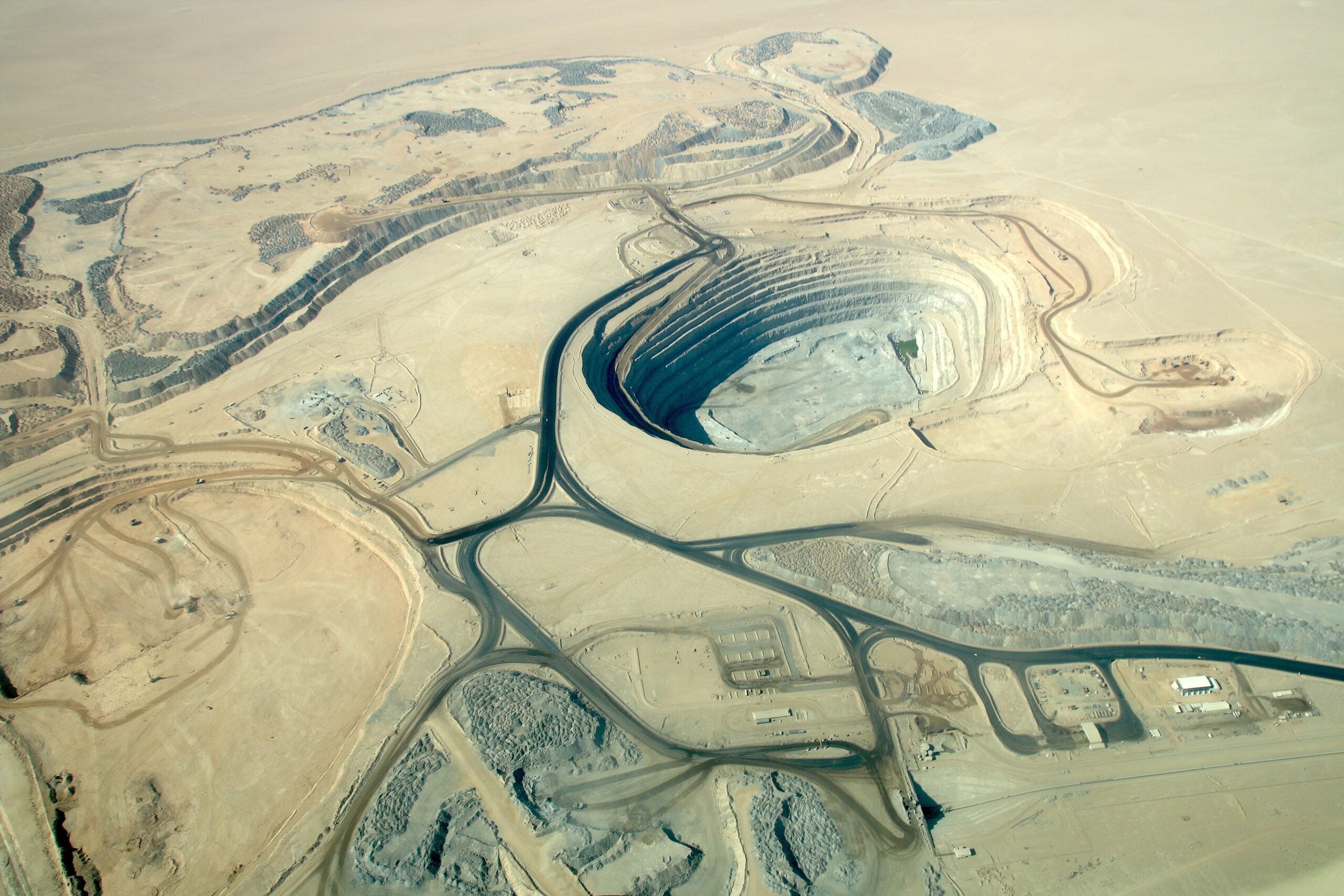
Why the Stake Matters
Namibia holds about 5% of the world’s known uranium resources and is among the largest producers.
Rössing has operated since 1976 and its life has been repeatedly extended.
Uranium prices have risen with renewed interest in nuclear power. A minority stake in a producing mine is worth more than it was.
For Namibia, buying it would raise state ownership in a strategic resource without nationalising anything.
The Bigger Question Underneath
Chinese state entities already control Rössing and hold interests in other Namibian uranium assets.
A Chinese-linked buyer of the South African stake would concentrate that further.
Windhoek has generally welcomed Chinese mining investment while pressing for more local processing and ownership.
This sale is where those two positions meet, which is why an opposition leader is asking about it in parliament.
What It Means for Namibians
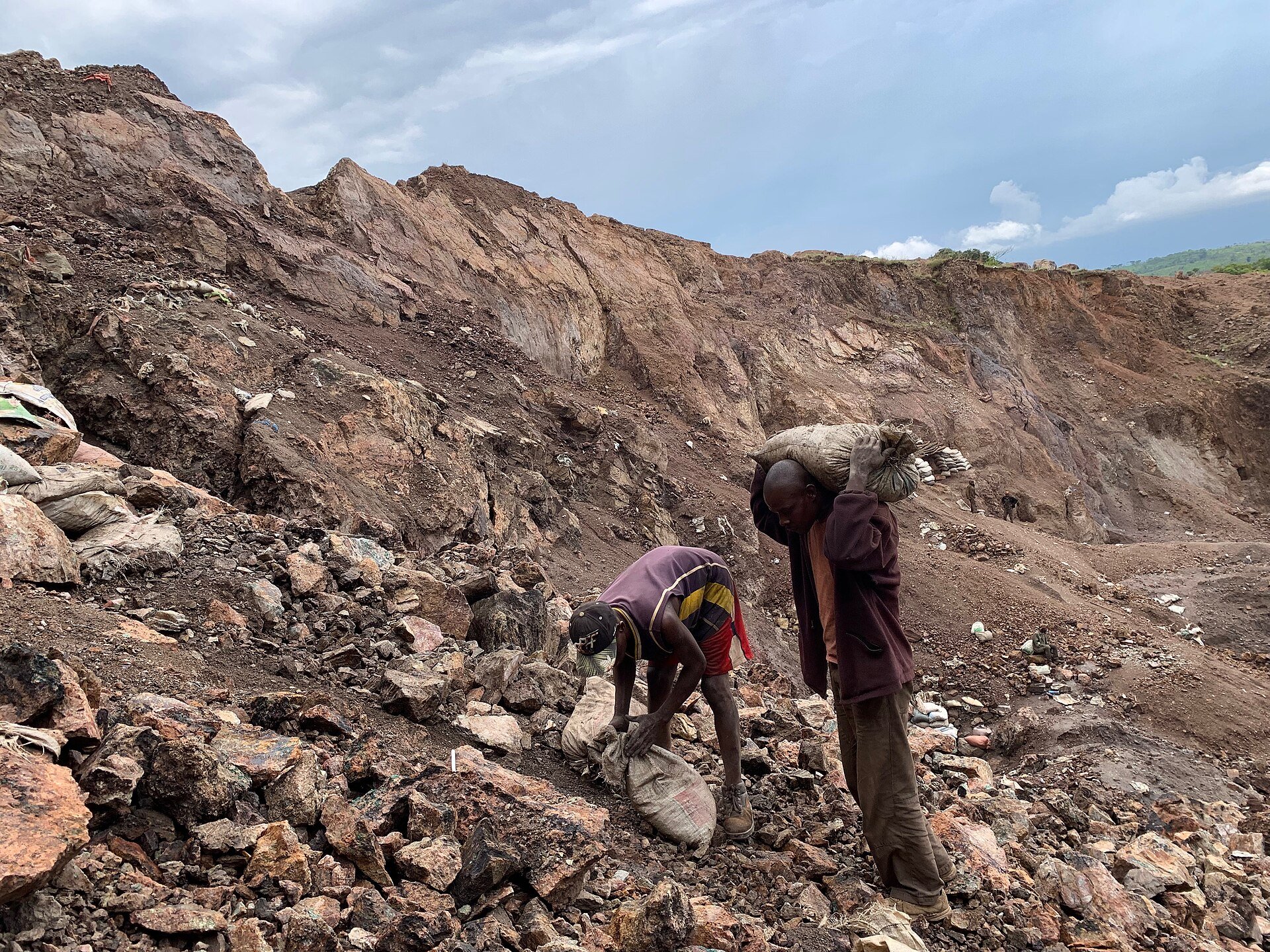
Rössing employs around a thousand people directly in the Erongo region and supports a supply chain around Swakopmund and Arandis.
Uranium is among Namibia’s largest export earners alongside diamonds.
A change of minority shareholder does not by itself change operations, employment or royalties.
It changes who sits on the board and who benefits from dividends.
What to Watch
The minister’s answer in the National Assembly on Thursday.
Whether the Industrial Development Corporation names a preferred bidder.
Whether Namibia’s sovereign wealth fund or a state mining vehicle is used, since the financing question is the one Venaani pressed hardest.
And the uranium price, which determines what the stake is worth to anyone buying it.
More: Africa news and analysis, every day from The Rio Times.
Frequently Asked Questions
What was asked in Namibia’s parliament?
Opposition leader McHenry Venaani asked on 15 September whether the government has filed a bid for the Rössing Uranium stake. He also asked what it would cost and how it would be financed.
Whose stake is for sale?
The Industrial Development Corporation of South Africa, which holds about 10.2% of Rössing.
Why is it selling?
Its annual report cites lender requirements obliging it to exit business relationships involving sanctioned parties. Iran’s Foreign Investment Company holds 15% of the mine.
Who controls Rössing?
China National Uranium Corporation, with 68.6%. Namibia holds about 3% of the equity and 51% of the voting rights.
How many bidders are there?
Thirty-five expressions of interest were received by the 27 February 2026 deadline. No preferred bidder has been named.
Has Namibia bid?
No formal government bid has been confirmed. The prime minister said in March 2026 that discussions were under way.
Sources: National Assembly of Namibia, The Namibian, World Nuclear Association, Industrial Development Corporation annual report, Mining & Energy Namibia.
This article was produced by The Rio Times’ automated newsroom system. How we use AI · Report an error
Read More from The Rio Times