Nigeria and United States Open Talks on Religious Freedom Designation
Nigeria · GEOPOLITICS
Key Facts
—First working group session: The U.S.-Nigeria Joint Working Group met in Abuja on 22 January 2026 to address the Country of Particular Concern designation. Nigeria’s delegation was led by National Security Adviser Nuhu Ribadu, the American side by Under Secretary of State Allison Hooker.
—CPC redesignation: President Donald Trump announced Nigeria as a Country of Particular Concern again on 31 October 2025.
—First CPC label: The State Department, under Secretary Mike Pompeo, designated Nigeria a CPC on 2 December 2020 and granted a national-interest waiver, so no sanction followed. Nigeria was dropped when Secretary Antony Blinken announced the next round on 17 November 2021.
—Oil production: Nigeria is Africa’s largest oil producer, pumping about 1.7 million barrels a day of crude and condensate in mid-2026, according to the upstream regulator NUPRC.
—China ties: Nigeria joined China’s Belt and Road Initiative at the FOCAC summit in September 2018, and Beijing is a major source of infrastructure finance.
—U.S. law-enforcement support: In 2024 the U.S. invested about US$500,000 to modernize the chemical forensic laboratory at the NDLEA’s Lagos zonal office.
Nigeria and the United States have begun formal talks to address the Nigeria CPC designation, with a joint working group holding its first session in Abuja on 22 January 2026. The two governments pledged to reduce violence against vulnerable populations, particularly Christian communities, and to deepen counterterrorism, anti-money-laundering and law-enforcement cooperation.
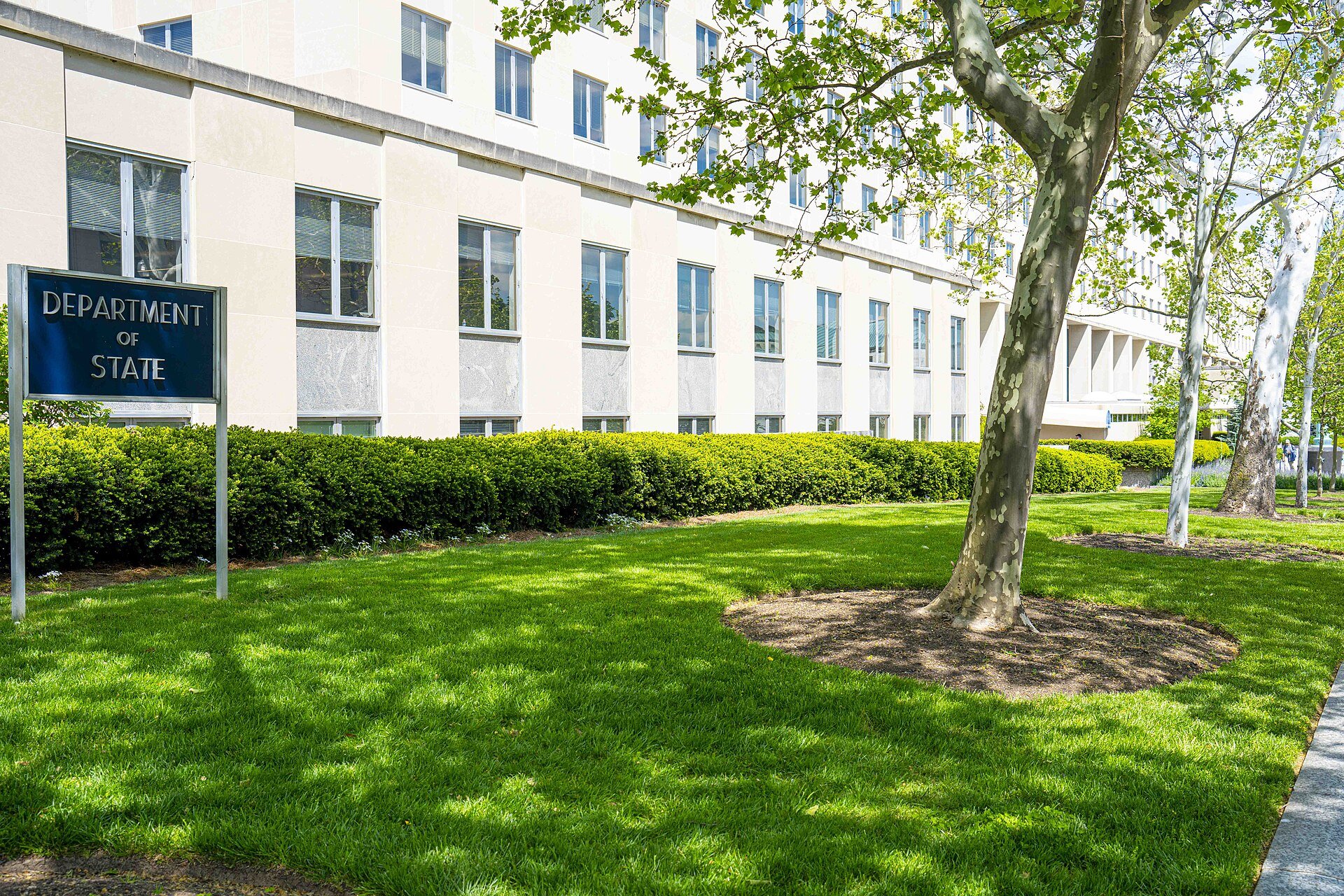
What the CPC designation means for Nigeria
The U.S. State Department updated Nigeria’s status to Country of Particular Concern under the International Religious Freedom Act of 1998. That label is reserved for governments engaged in or tolerating particularly severe violations of religious freedom; the lower Special Watch List standard uses plain severe violations.
Under the law, CPC status is more than a symbolic rebuke. It requires the U.S. government to consider targeted responses, which can include diplomatic pressure and, if needed, sanctions or restrictions on assistance.
The practical effect is that Nigeria now faces closer U.S. scrutiny. Military aid, trade, development programs, and diplomatic engagement could all be affected, even if sanctions are not imposed immediately.
The timeline behind the Nigeria CPC designation
The first CPC designation was made on 2 December 2020 by the State Department under then-Secretary of State Mike Pompeo, acting on authority delegated by the President. The same determination granted Nigeria a waiver in the national interest under section 407 of the Act, so no sanction followed.
Nigeria was dropped when Secretary of State Antony Blinken announced the next round of designations on 17 November 2021 without it. Congressional records note the department also omitted Nigeria in 2022 and 2023, and issued no CPC list at all in 2024.
The U.S. Commission on International Religious Freedom, which has recommended Nigeria for the list every year since 2009, repeated that call on 25 March 2025. President Donald Trump announced the redesignation on 31 October 2025, and the State Department published the updated designation on 3 November 2025.
The announcement came with a threat. Trump said Washington might cut aid to Nigeria and instructed the Pentagon on 1 November 2025 to prepare for possible action if Christians were not protected.
The first U.S.-Nigeria Working Group session followed on 22 January 2026 in Abuja. The joint statement said the group aims to reduce violence against vulnerable groups, especially Christians, and to create a climate in which all Nigerians can freely practice their faith without fear or intimidation from terrorists, separatists, bandits, criminal militias or other violent actors, regardless of religious affiliation.
The statement said the American delegation welcomed Nigeria’s briefing on moving security resources to the North Central states and commended steps to protect at-risk Christian communities and Nigerians of all faiths. The next session is to be held in the United States.
Security cooperation continues despite the dispute
The U.S. government says its Nigeria engagement still spans maritime and border security, military professionalization, counterterrorism against Boko Haram and ISIS-West Africa, defense trade, and security-sector governance. Law-enforcement assistance also remains substantial, including support for the Nigeria Drug Law Enforcement Agency, known as the NDLEA.
In 2024 the U.S. said it invested about US$500,000 to modernize and equip the chemical forensic laboratory at the NDLEA’s Lagos zonal office. It donated office space to the agency at the same time, through AFRICOM and the Drug Enforcement Administration.
The U.S. embassy says its law-enforcement programming focuses on civilian security actors including the Nigeria Police Force, the NDLEA, and Nigerian Customs. Abuja is trying to reverse the designation diplomatically, citing progress in bilateral security and regional stability cooperation.
The great-power contest behind the Nigeria CPC designation
Nigeria matters because it is a major regional power. It is Africa’s largest oil producer, pumping about 1.7 million barrels a day of crude and condensate in mid-2026 according to the upstream regulator NUPRC, and its external accounts lean on oil receipts, non-oil exports and diaspora remittances.
Abuja has reason to keep both Washington and Beijing close, valuing American investment and security cooperation while drawing heavily on Chinese infrastructure finance. Nigeria joined China’s Belt and Road Initiative at the FOCAC summit in September 2018, illustrating that balancing act.
The U.S. CPC move is therefore not only about human rights. It is also a way to signal leverage over a pivotal African state that sits at the center of West African security, migration, energy, and voting politics, a theme explored in Africa: The New Scramble.
What to watch next in the Nigeria CPC designation process
Nigerian authorities and U.S. officials are managing two tracks at once: a public dispute over religious persecution and a continued operational partnership on crime, narcotics, and terrorism. The tension reflects a larger debate about whether the violence is best understood as anti-Christian persecution, communal conflict, jihadist insurgency, criminal banditry, or a mix of all four.
Casualty estimates circulated by advocacy groups and members of Congress vary widely and are disputed, and USCIRF has noted that extremist violence affects large numbers of both Christians and Muslims across several states.
Congressional Republicans have framed the redesignation as a signal to condition U.S. assistance. Representative Riley Moore is leading an investigation into the violence, Senator Ted Cruz introduced a sanctions bill in August 2025, and House Resolution 220 calls for targeted sanctions.
That pressure could shape how quickly the working group produces results.
Washington’s willingness to use religious-freedom tools against Nigeria shows how values policy is being folded into broader competition for influence in Africa. Nigeria’s importance gives Abuja bargaining power to keep U.S. security and law-enforcement support while resisting what it views as politicized religious pressure.
Frequently asked questions
What is the Nigeria CPC designation?
The Country of Particular Concern label is applied by the U.S. State Department under the International Religious Freedom Act of 1998 to governments engaged in or tolerating particularly severe violations of religious freedom.
When did the U.S. and Nigeria first meet to address the designation?
The first session of the U.S.-Nigeria Working Group took place in Abuja on 22 January 2026.
Does the CPC designation end U.S. security cooperation with Nigeria?
No, the two governments continue to cooperate on counterterrorism, narcotics, maritime security, and law-enforcement programs even as they discuss the designation.
Connected Coverage
For more on how great-power competition is reshaping Africa, read Africa: The New Scramble.
Sources
- U.S. Embassy Abuja — Joint statement, first session of the Joint Working Group
- U.S. State Department — Religious freedom designations
- Federal Register — Public Notice 11289, 86 FR 2718 (2 Dec 2020 determinations)
- H.Res.220, 119th Congress
- Vanguard — Nigeria oil output, July 2026 (NUPRC data)
This article was produced by The Rio Times’ automated newsroom system. How we use AI · Report an error
Read More from The Rio Times