Brazil’s TCP Paranaguá Port Hits Record 835,000 TEUs in H1
Ports & Logistics · Brazil
Key Facts
—Record half. TCP handled 835,000 TEUs in the first half of 2026, a record for the period.
—Growth. The figure was up 4% from the 803,000 TEUs handled in the first half of 2025.
—Quarter. In the first quarter of 2026 the terminal handled 411,000 TEUs, a 3% year-on-year rise and a record for that period.
—Scale. TCP moved a record 1.663 million TEUs in 2025, ranking as the largest container terminal in southern Brazil, according to regulator ANTAQ.
—Ships. The terminal logged 1,019 vessel calls in 2025, topping 1,000 for the first time.
The container terminal at Paranaguá has opened 2026 at a record pace. TCP moved 835,000 TEUs in the first half, extending its lead as the busiest box terminal in southern Brazil.
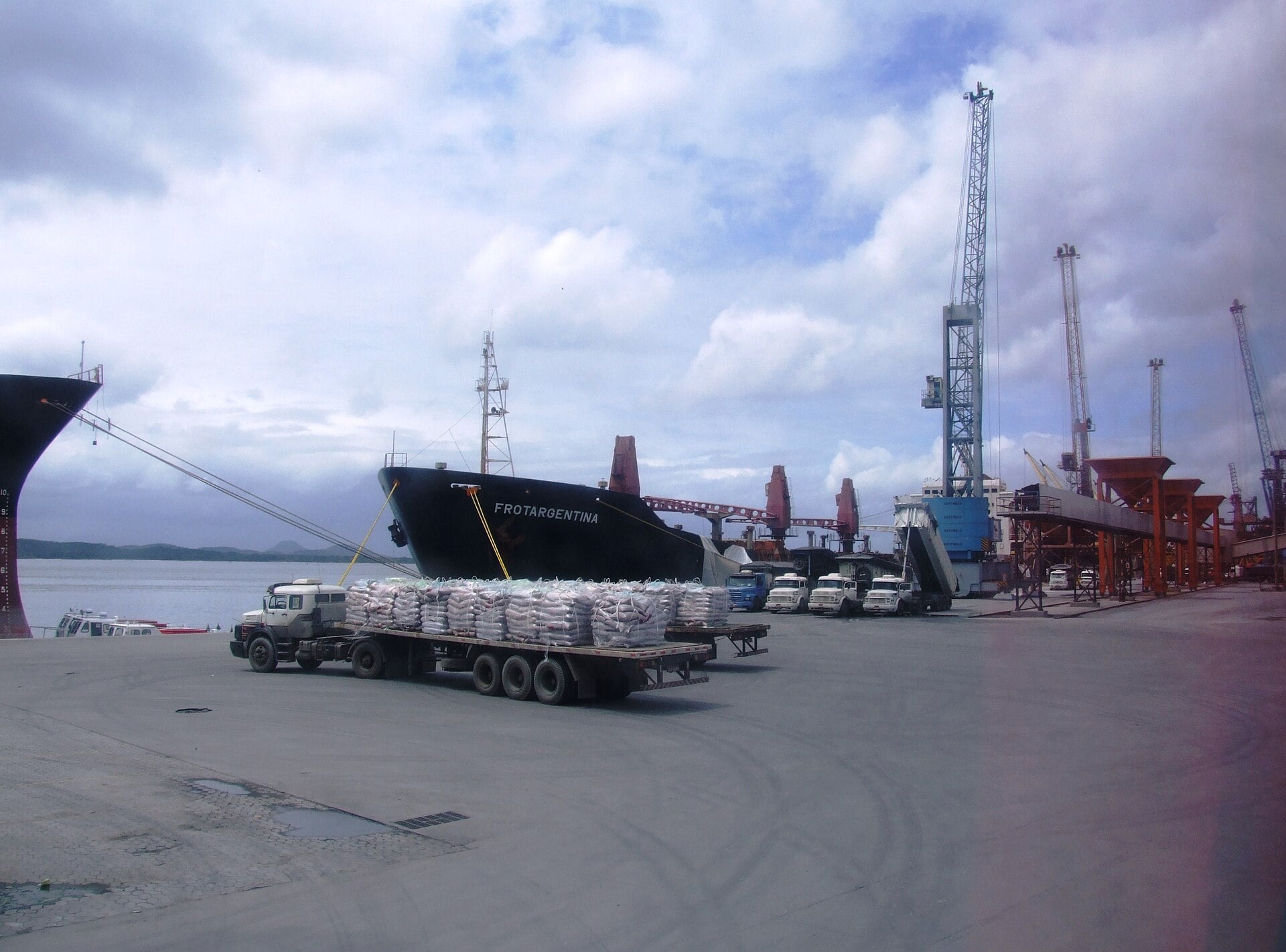
A record first half
Terminal de Contêineres de Paranaguá, known as TCP, said it handled 835,000 twenty-foot equivalent units in the first six months of 2026. That marked a record for the period and a 4% increase over the 803,000 TEUs moved in the same span of 2025.
The first-half result built on a strong opening quarter, when TCP handled 411,000 TEUs between January and March. That figure was 3% higher than a year earlier and itself a record for the quarter.
A TEU, or twenty-foot equivalent unit, is the standard industry measure for container traffic. It allows ports and shipping lines to compare volumes evenly, whether they are moving the common 20-foot box or the longer 40-foot container, which counts as two TEUs.
Southern Brazil’s busiest box terminal
TCP moved a record 1.663 million TEUs across all of 2025, consolidating its position as the largest container terminal in southern Brazil according to the national waterway regulator ANTAQ. The terminal serves export-heavy supply chains in Paraná and neighboring states.
ANTAQ, the National Agency for Waterway Transportation, is the federal body that oversees Brazil’s port and waterway sector. Its rankings carry weight because they are based on official throughput data reported by all regulated terminals, giving an impartial picture of market share along the coast.
Vessel traffic also set a mark in 2025, with 1,019 ship calls, the first time the terminal exceeded 1,000 berthings in a single year. Reefer cargo, used for chilled and frozen goods, passed 70,000 containers for the first time.
Reefer containers are essentially mobile cold rooms. They are vital for Brazil’s food export engine because they keep meat, poultry, fruit and dairy products at controlled temperatures during long ocean crossings to markets in Asia, the Middle East and Europe.
Paranaguá’s location gives it a natural advantage. The port sits at the maritime end of a corridor that funnels soybeans, corn, frozen protein and wood products from Paraná and parts of Mato Grosso do Sul toward the Atlantic.
When harvests are large, container volumes tend to follow.
Investment and outlook
TCP has highlighted rail expansion and infrastructure upgrades as it seeks to move more cargo inland by train rather than road. The terminal presented those plans at the Intermodal South America 2026 logistics fair earlier this year.
Shifting cargo from truck to rail is a long-running ambition in Brazilian logistics. Rail generally offers lower cost per ton over long distances and can ease congestion on highways that also carry passenger traffic, though it requires heavy upfront investment in tracks, terminals and rolling stock.
Sustained growth in agricultural and industrial exports has underpinned the terminal’s volumes. Continued gains would depend on harvest cycles, global freight demand and the pace of Brazil’s port and rail investments.
The broader significance of TCP’s record run goes beyond one terminal. Container throughput is a real-time proxy for trade health, and when southern Brazil’s largest box terminal keeps setting records, it suggests that export-oriented supply chains are holding up even as global shipping costs and demand patterns shift.
What to watch next is whether the second half can maintain the same pace. Seasonal harvest flows typically peak in the middle of the year, so the real test will be how volumes hold up in the final quarter. Another open question is how quickly rail upgrades can translate into faster inland turnaround times, and whether that can attract cargo that currently moves through competing ports further south or north along the Brazilian coast.
Frequently Asked Questions
What record did TCP set?
TCP handled 835,000 TEUs in the first half of 2026, a record for the period and a 4% increase over the first half of 2025.
How large is TCP overall?
TCP moved a record 1.663 million TEUs in 2025 and is the largest container terminal in southern Brazil, according to regulator ANTAQ.
Where is the terminal located?
TCP operates at the Port of Paranaguá in the state of Paraná, in southern Brazil.
Sources
Connected Coverage
- Brazil: Paranaguá Port records largest daily bulk shipment
- Brazil: Argentine tax on waterways increases demand for Paranaguá Port
- Brazil: port of Paranaguá receives the largest load of fertilizers in its history
Sources: TCP; ANTAQ.
This article was produced by The Rio Times’ automated newsroom system. How we use AI · Report an error
Read More from The Rio Times