
RESULTS · PERU ELECTIONS 2026
Updated 8 times · Latest: 5 October 2026
Key Facts
- —The count On Monday 5 October, ONPE had processed every tally sheet in Lima and counted 92.699%. Renovación Popular led with 27.703% of valid votes, Francis Allison of Avanza País had 26.841%, a gap of 0.86 points or about 44,900 votes (ONPE, via El Comercio and Altavoz). The other 1,924 sheets (7.301%) sit with the special election juries (JEE).
- —Lima The list is headed by former mayor Rafael López Aliaga as first councillor. Whether he may take the office is still a question for the electoral courts. No winner has been declared.
- —Prediction markets Polymarket, a crypto-based market where users bet real money, gave López Aliaga a 92.0% chance of winning the Lima mayoralty and Allison 3.0% (5 October, 5:51 p.m. ET; about US$489,000 traded). These are bets, not polls.
- —Quick count Datum’s sample-based quick count, which is not an official result, gave 27.6% to López Aliaga and 26.7% to Allison, a margin of error of 1 point.
- —Regions On the latest ONPE counts, 15 of 25 regions have no governor ticket above 30% of valid votes and are headed for a runoff on Sunday 29 November. Ten regions have a leader above 30%. The lists are not final until the election juries rule, and counts in Loreto (62%) and Piura (78%) are far from complete.
- —The vote 13,148 posts including 25 regional governors, for terms from 2027 to 2030 (ONPE). More than 26 million Peruvians were registered to vote.
- —Why Americans care Peru produced about 2.77 million tonnes of copper in 2025 (Peru’s mining ministry via Infobae Perú). Southern Copper, Freeport-McMoRan and Buenaventura trade in New York, and mining regions elect governors.
Lima’s next mayor is still undecided on Monday evening. ONPE, the national election office, has processed every tally sheet and counted 92.699%. The list of former mayor Rafael López Aliaga (Renovación Popular, conservative) leads Francis Allison (Avanza País, pro-market) by 0.86 points. About 1,924 sheets sent to election juries could still decide the result.
Peruvians voted on Sunday 4 October for 25 regional governors, mayors and councillors. On the latest ONPE counts, 15 regions are headed for a governor runoff on 29 November and 10 have a winner. Earlier reports: López Aliaga list leads the Lima count by 0.86 points and Peru count points to runoffs in 15 of 25 regions.
For US readers, the stakes sit in the copper regions, whose governors handle mining protests and informal miners. Nothing on this ballot changes national mining or tax law, and President Keiko Fujimori stays in office.
Peru Election 2026: Live Map of the Regions and Lima
Two kinds of organisations compete on Sunday: 55 national parties, which can run anywhere, and 95 regional movements, which are registered in one region and run only there (JNE). Many Peruvian parties are built around one leader rather than a fixed ideology.
- Sunday, 8 a.m. ETPolls open (7 a.m. Lima, 13:00 Lisbon).
- Sunday, 6 p.m. ETPolls close (5 p.m. Lima, 23:00 Lisbon). ONPE's results site starts showing counted tally sheets.
- About two weeksONPE's acting head says a full count of the regional races takes about two weeks; the JNE resolves disputed sheets.
- Sunday, November 29Runoff for regional governor wherever no candidate reached 30% of valid votes. Mayors have no runoff.
- January 1, 2027New governors and mayors take office.
- Regional governors (each with a vice-governor)25
- Regional councillors364
- Provincial mayors196
- District mayors1,696
Nobody elects a president or Congress on Sunday. Voting is compulsory for Peruvians; foreign residents may vote in municipal races only.
Choose a region
Tap any region on the map, or a row below, for its capital, people and voters, its economy, the 2022 result and, from Sunday night, the official count.
Lima Metropolitana elects a mayor and no governor. Region facts were researched twice independently; a value appears only where both agreed.
Publishing polls has been banned since September 28, so these are the last public numbers. Rafael López Aliaga ran Lima from 2023 to 2025 and is on the ballot as first councillor, not as mayoral candidate; the electoral jury (JNE) has not said whether he could take the mayor's credential if his list wins.
Sources: ONPE (official results, posts on the ballot, registered voters); JNE (lists, runoff date); INEI (population); Ipsos, Datum, CPI and IEP as published until September 28; Polymarket and Kalshi (market prices, public data); region facts from INEI, JNE, ONPE, BCRP and Peruvian media where two independent checks agreed. Map: geoBoundaries (public domain). The Rio Times does not call races; a winner or a runoff is shown once ONPE or the JNE declares it.
Lima: Who Becomes Mayor
Polls closed at 5 p.m. in Lima on Sunday and ONPE published its first cuts that evening. The early lead of Renovación Popular narrowed overnight and then widened again. At 47.156% counted it was 28.337% to 27.785% (El Comercio). At 60.55% it was 28.181% to 27.922% (Andina). At 91.79%, El Peruano reported 27.67% to 26.89%. At 92.699%, where ONPE has stayed since Monday morning, it is 27.703% to 26.841%, a gap of 0.86 points. That is about 1,444,000 votes against 1,399,000, or roughly 44,900 votes (El Comercio, Altavoz). The 1,924 sheets at the juries (JEE) hold an unknown number of votes. At the average of the sheets already counted they would hold roughly 410,000 valid votes. That is our estimate from ONPE totals, not an official figure, and some sheets may be annulled. Allison says the race could still turn on them.
| List (candidate) | Valid votes at 92.699% |
|---|---|
| Renovación Popular (López Aliaga, first councillor) | 27.703% |
| Avanza País (Francis Allison) | 26.841% |
| Somos Perú (Carlos Bruce) | 15.085% |
| Podemos Perú (Daniel Urresti) | 8.009% |
Source: ONPE count as reported by Andina and RPP, Monday 5 October 2026. Lima Metropolitana has 26 competing lists.
Datum, a polling firm, ran its own quick count on a sample of tally sheets. It gave López Aliaga 27.6%, Allison 26.7% and Bruce 15.0%, with a margin of error of 1 point. That is a technical tie, and it is not an official result. Datum’s earlier exit poll of voters leaving polling places, which has a margin of error of about 3 points, had shown López Aliaga further ahead, at 31.2% to 25.2%.
The credential is the open legal question. On 5 October López Aliaga pressed the court over his credential, and JNE president Roberto Burneo rejected the pressure (Gestión); on election day he had said he does not trust ONPE (our report). The JNE has not yet ruled.
Allison has said he will respect the official results and support whoever becomes mayor, according to Andina. Urresti has accused the electoral court of failing to say what happens if the winning list’s first councillor cannot take the office.
That is the legal knot. López Aliaga was mayor of Lima from January 2023 until his resignation in October 2025, and the constitution bars immediate re-election of mayors. Luis Rubio, the list’s mayoral candidate, resigned on 4 August, which left López Aliaga as first councillor. The national electoral court (JNE) confirmed his candidacy as first councillor. It handled the challenge on procedural grounds and did not rule on whether the arrangement is a hidden re-election, as critics allege. It has not said who would receive the mayoral credential if the list wins. The Lima Centro electoral jury proclaims municipal results, and its decision can be appealed to the JNE plenary. Critics argue that if López Aliaga cannot serve, the second councillor on the list, Jeanette Alonzo, would take the office. A Renovación Popular deputy says he trusts Burneo to proclaim López Aliaga.
Whoever wins inherits a heavy bill. Lima city hall owes S/5.05 billion (about US$1.47 billion), roughly 3.5 times the fiscal-rule limit, according to Peru’s Consejo Fiscal, the independent fiscal watchdog. Yearly debt service tops S/500 million (about US$145 million) from 2028 to 2035 (our report).

The Regions: Who Leads, Where a Runoff Looms
A governor wins outright with at least 30% of valid votes. Where no ticket reaches that level, the top two meet in a Second Regional Election on Sunday 29 November. Municipal races have no runoff.
On the latest ONPE counts published by Peruvian media on Monday 5 October, 15 of 25 regions are headed for a runoff: Amazonas, Áncash, Arequipa, Cajamarca, Junín, La Libertad, Lambayeque, Lima region, Loreto, Moquegua, Pasco, Piura, Puno, Tacna and Tumbes. Ten regions have a leader above 30%: Apurímac, Ayacucho, Callao, Cusco, Huancavelica, Huánuco, Ica, Madre de Dios, San Martín and Ucayali.
The number has moved. Datum’s exit poll said 14 and an earlier El Comercio count said 13. Cajamarca and Junín fell under 30% as more tally sheets arrived, while Pasco and Tacna never reached it. Huancavelica, Ica and Ucayali moved above it. Cajamarca is the closest call: Edison Carrasco of Somos Perú had 29.659% at 98.653% counted, ahead of Alianza para el Progreso (APP) at 23.151%. Callao was won outright by Pedro Spadaro of Renovación Popular with 51.73% at 97.66% counted. In Cusco, Verónika Mendoza of the left-wing Venceremos alliance led with about 31% at more than 92% counted. The counts are not final. Loreto (62% counted) and Piura (78%) are among the furthest from complete, and tally sheets at the juries can still move margins.
Live Market IntelligenceCrypto — Live Market Board
Rio Times · Live Market Intelligence
Crypto — Live Market Board
-0.26%
| Instrument | Last | Change | YoY | Prev. | High | Low | Volume |
|---|---|---|---|---|---|---|---|
| BTC | 63,384 | -0.26% | -47.24% | 63,552 | 64,346 | 63,305 | 22,774,743,040 |
| ETH | 1,886 | +0.26% | -58.90% | 1,881 | 1,920 | 1,879 | 7,916,475,392 |
| SOL | 75.89 | -0.40% | -60.44% | 76.20 | 76.99 | 75.39 | 1,473,821,056 |
| XRP | 1.01 | -1.15% | -69.07% | 1.02 | 1.02 | 1.01 | 1,144,044,416 |
| BNB | 609.60 | -1.12% | -26.81% | 616.50 | 619.30 | 609.23 | 1,266,706,432 |
| ADA | 0.18 | -1.98% | -78.22% | 0.19 | 0.19 | 0.18 | 238,085,632 |
| DOGE | 0.07 | -1.56% | -70.00% | 0.07 | 0.07 | 0.07 | 553,256,192 |
| AVAX | 6.38 | +1.04% | -74.11% | 6.32 | 6.42 | 6.21 | 248,470,560 |
| LINK | 8.77 | -0.06% | -62.73% | 8.77 | 8.87 | 8.68 | 317,054,880 |
| DOT | 0.78 | -0.75% | -81.11% | 0.79 | 0.80 | 0.78 | 43,490,492 |
| LTC | 45.08 | -0.85% | -65.45% | 45.47 | 45.59 | 44.98 | 143,727,712 |
| BCH | 213.85 | +0.10% | -65.44% | 213.64 | 215.69 | 212.54 | 137,956,688 |
| TRX | 0.34 | +0.28% | -4.73% | 0.33 | 0.34 | 0.33 | 436,576,064 |
| XLM | 0.16 | -1.33% | -64.46% | 0.16 | 0.16 | 0.16 | 89,559,864 |
| HBAR | 0.07 | -0.53% | -74.67% | 0.07 | 0.07 | 0.07 | 22,546,186 |
| NEAR | 1.65 | +2.42% | -40.55% | 1.62 | 1.68 | 1.61 | 187,591,264 |
| ATOM | 1.40 | -2.36% | -70.15% | 1.44 | 1.44 | 1.40 | 18,626,964 |
| AAVE | 89.06 | +0.93% | -72.33% | 88.24 | 90.20 | 88.19 | 129,099,704 |
Who Is Who
- Rafael López Aliaga, Renovación Popular: conservative former mayor of Lima, running as first councillor on his party’s list.
- Francis Allison, Avanza País: mayor of Magdalena del Mar, second in the count. He has said he will recognise the official result.
- Carlos Bruce, Somos Perú: former housing minister and former mayor of Surco, third in the count.
- Daniel Urresti, Podemos Perú: former interior minister, fourth in the count.
- Verónika Mendoza, Venceremos: left-wing politician who ran for president in 2016 and 2021. Datum’s exit poll gave her 33.7% in Cusco.
- Alfredo Zegarra, Fuerza Arequipeña: leading the Arequipa count with about 25% of valid votes.
- Keiko Fujimori, Fuerza Popular: president of Peru since 28 July. She is not on this ballot.
- Roberto Burneo: president of the JNE, which hears appeals and will decide the López Aliaga question.
- ONPE: runs the count. JNE: sets the rules, hears appeals and proclaims results.
Looking Back: What the Polls and Markets Said
Before the vote, the last public polls gave López Aliaga between 20% and 30%, depending on the pollster, and prediction markets priced his chance of becoming mayor at about 90% on Saturday evening (Polymarket and Kalshi). Markets are bets, not polls. The first official counts show a much tighter race than that price implied, with the first councillor of the winning list still waiting for a legal answer.
What Peruvians are voting for
Peru has three layers of local government. Sunday’s ballot filled all of them at once. ONPE lists 13,148 posts in total.
Voting is compulsory for Peruvians. Voters can use expired identity cards, the electoral jury says. Foreign residents can vote only for mayors and councillors.
Two kinds of organisations compete: 55 national parties, which can run anywhere in Peru, and 95 regional movements, which are registered in a single region and run only there (JNE). In 2022, governors from regional movements won in Puno, Áncash, Junín, Ucayali and Tacna, among others. Many national parties are built around one leader rather than a fixed ideology. Our party guide in the election center above explains each one.
Mining, informal miners and the vote
Peru produced about 2.77 million tonnes of copper in 2025, according to its mining ministry. Mining taxes and royalties flow to regional and local budgets, so governors and mayors in mining regions control real money.
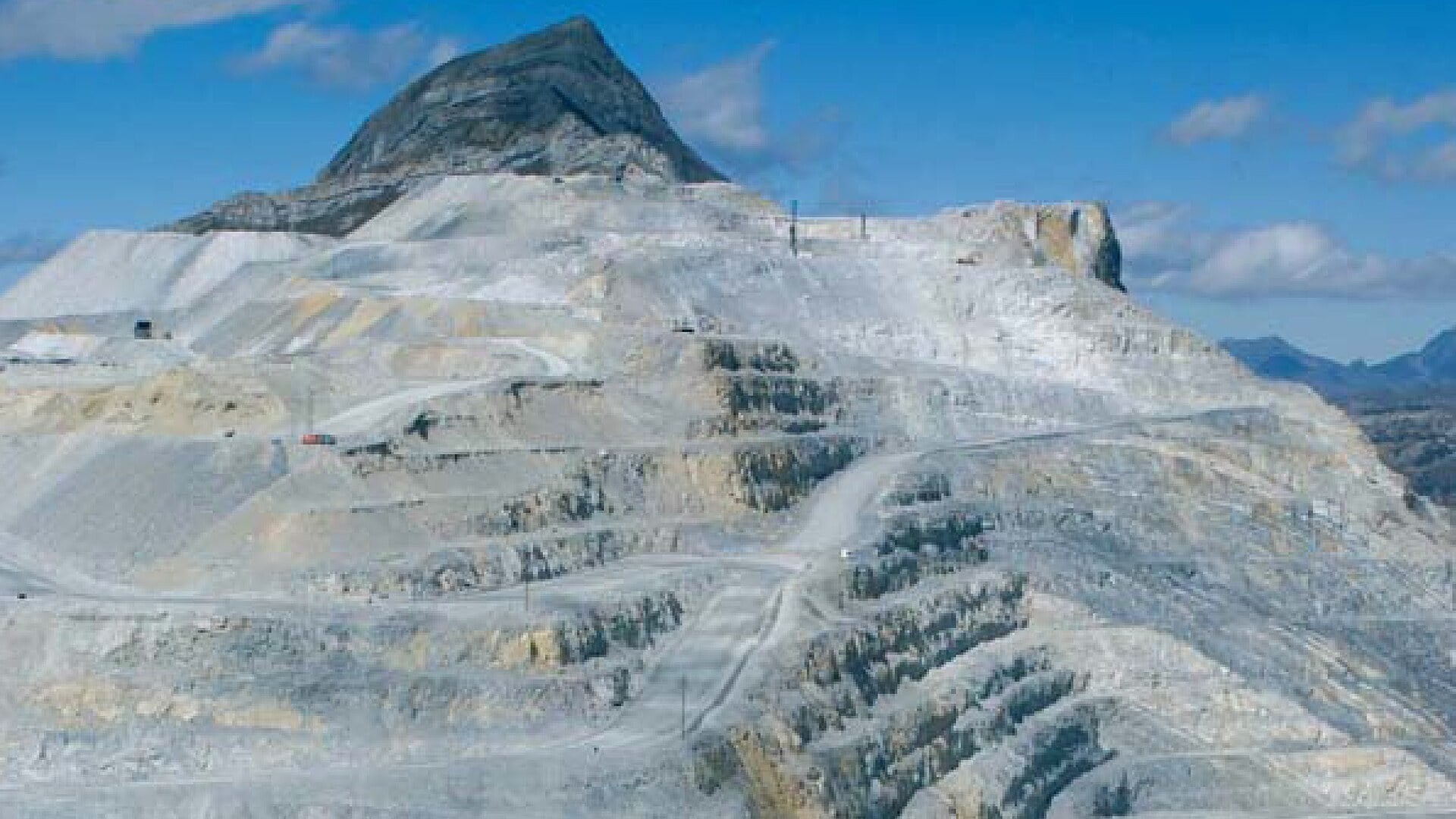
Mining licences and environmental approvals are national decisions. Regional and local governments still shape the climate around a project: they spend part of the revenue, mediate protests and decide how hard to push on informal mining.
That last issue is on the ballot. A database compiled by Territorio Tomado and reported by the trade outlet Todominería lists 735 candidates for governor, councillor and mayor registered in REINFO, the formalisation register for small and artisanal miners, whether current or suspended. Of them, 43 run for regional governments in 15 departments. Parties with the most REINFO candidates include Ahora Nación, APP, Perú Primero, Podemos Perú, Progresemos, Somos Perú and Acción Popular. The party guide above explains who they are.
Why It Matters for the US
Peru produced about 2.77 million tonnes of copper in 2025, according to Peru’s mining ministry as reported by Infobae Perú. That makes it one of the world’s top producers. Southern Copper, Freeport-McMoRan and Buenaventura are listed in New York. Governors and mayors in mining regions shape how protests and informal mining are handled. Arequipa, where Freeport-McMoRan runs the Cerro Verde mine, is headed for a runoff on the latest ONPE count, with Alfredo Zegarra of Fuerza Arequipeña at about 25% at more than 98% counted.
Copper shows why the regions matter to American readers. Freeport-McMoRan, based in Arizona, runs Cerro Verde in Arequipa, and Southern Copper is developing Tía María there. Arequipa and Moquegua look headed for governor runoffs, while Cusco’s likely governor, Mendoza, has long argued for tighter rules on mining (our report).
Nothing on this ballot changes national mining or tax law, and Fujimori stays president. The risk for investors is local: delays, protests and uncertainty over who governs. Peru’s central bank is scheduled to decide its policy rate on Wednesday 7 October (EODHD calendar). The rate was 4.25% at the previous decision.
What Happens Next
ONPE keeps updating the count as tally sheets arrive. For the regional election, the JNE has asked ONPE to hand contested tally sheets to the local electoral juries by Sunday 11 October, and recount hearings may run until Wednesday 28 October. Juries then proclaim winners, and appeals go to the JNE. JNE president Roberto Burneo has said results could be proclaimed in the first days of November at the latest. ONPE has formally asked the JNE to reconsider the runoff date and keep Sunday 6 December for logistical reasons. The court has set 29 November, and Burneo said it will study the request, so the date is not final.
What Is Not Known
We do not know the final Lima result, how many votes the 1,924 sheets at the juries hold, whether López Aliaga can take office if his list wins, which regions will go to a second round, whether the runoff date will move, or how many tally sheets will be contested. We could not read the ONPE results portal directly, which blocks automated access, so every number here comes from ONPE figures published by Andina, RPP and other Peruvian media. We have not named a winner because the electoral authorities have not.
What Prediction Markets Say
On Polymarket’s “Lima Mayoral Election Winner” market, bettors gave López Aliaga a 92.0% chance and Allison 3.0% at 5:51 p.m. ET on 5 October, with about US$489,000 traded. Kalshi, a market regulated in the US by the CFTC, lists a Lima mayor market too, but its prices did not add up to 100% when we read them, so we do not quote them. Bettors see a gap of under one point as hard to close, but the sheets at the juries are unresolved.
Why we show this: prediction markets turn real-money bets into a live probability that moves within minutes of the news, which is why investors, campaigns and newsrooms in the United States now follow them closely. We show them next to polls and official results, never instead of them.
Frequently Asked Questions
Who is leading the Lima mayor race?
At 92.699% of tally sheets counted (ONPE, Monday 5 October 2026), the Renovación Popular list led with 27.703% of valid votes, ahead of Francis Allison of Avanza País with 26.841%, a gap of about 44,900 votes. No winner has been declared; 1,924 sheets are with the election juries.
Which Peruvian regions may hold a governor runoff?
On the latest ONPE counts, 15 of 25: Amazonas, Áncash, Arequipa, Cajamarca, Junín, La Libertad, Lambayeque, Lima region, Loreto, Moquegua, Pasco, Piura, Puno, Tacna and Tumbes. Ten regions have a leader above 30%. Counts are not final until the election juries rule.
When is the regional runoff, and who takes part?
Sunday 29 November 2026, the date the JNE set for a possible Second Regional Election. It applies only in regions where no governor ticket wins at least 30% of valid votes. Mayors have no runoff. ONPE has asked the JNE to reconsider and keep 6 December. The court has said it will study the request.
Can Rafael López Aliaga become mayor again?
That is not settled. He ran as first councillor after Luis Rubio resigned as the list’s mayoral candidate. The JNE confirmed his candidacy but did not rule on whether it is a hidden re-election, which the constitution bars. The Lima Centro electoral jury proclaims results, and its decision can be appealed to the JNE.
Related: Peru count points to runoffs in 15 of 25 regions and Peru sets regional runoff for November, why Lima is not decided, who Francis Allison is and the full list of the 29 November runoffs.
More: Peru news in English, every day from The Rio Times.
Sources
ONPE (ERM 2026 results site); Ipsos (last publishable poll, Lima and Arequipa); Infobae (election day); Infobae (Áncash candidates); Infobae (La Libertad); Infobae (Cajamarca); Willax (ONPE head on timing); Todominería (REINFO candidates); USGS (Mineral Commodity Summaries 2026, copper); Rio Times (JNE runoff date, from JNE). Also: JNE, ONPE, La República, Canal N, RPP, El Comercio, Exitosa, EODHD calendar (Banco Central de Reserva rate decision), Polymarket and Kalshi (market prices, public data).
This article was produced by The Rio Times’ automated newsroom system. How we use AI · Report an error · Editorial responsibility: Matthias Camenzind, Editor-in-Chief
In depth