Peru Sea Lion Deaths Hit 10,877 in El Niño
Many dead animals sampled in Peru show starvation as warm water pushes their anchovy food away. A Serfor vet sees the full impact clear only once it ends, El Comercio reports.

Environment: Peru
At least 18,585 wild coastal animals, mammals and birds, died in Peru between January and October 2026, and more than half were sea lions. El Comercio, a major Lima newspaper, published the count on Tuesday 24 November 2026 after obtaining it under the transparency law from Sernanp, the national protected-areas service, and Serfor, the national forest and wildlife service.
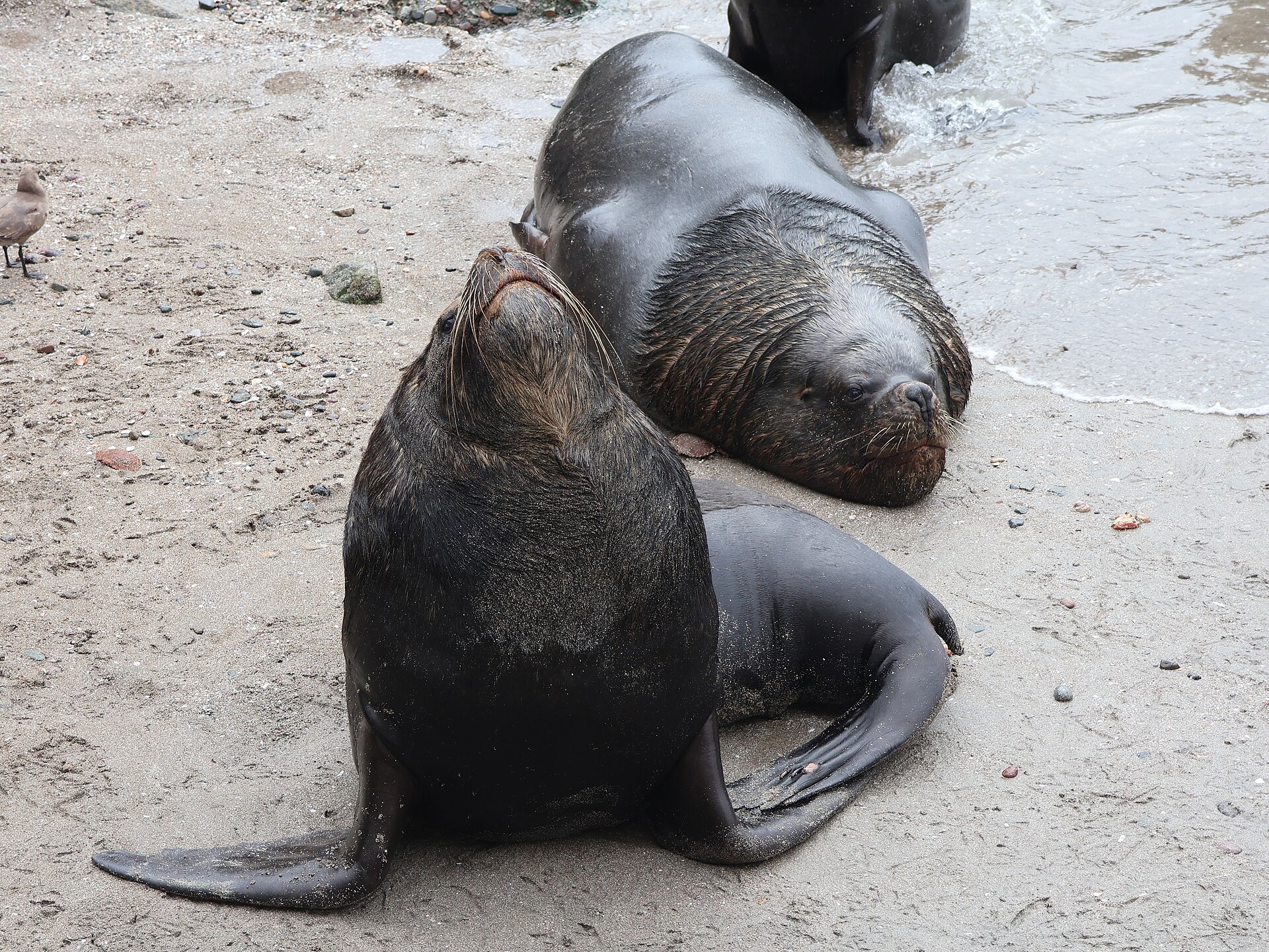
The South American sea lion, called lobo chusco in Spanish, was the worst-hit species, with 10,877 deaths or 59% of the total. Serfor wildlife veterinarian Javier Jara blames El Niño, the periodic warming of the Pacific that drives fish away from the Peruvian coast.
Key Facts
- What. At least 18,585 coastal animals died in Peru from January to October 2026, 10,877 of them sea lions.
- Cause. Empty stomachs in many animals point to starvation; warm water has moved their anchovy food.
- Outlook. ENFEN, Peru’s El Niño commission, forecasts an “extraordinary” El Niño until February 2027.
- Power Index. Peru ranks 5th of 14 in The Rio Times Latin America Power Index, with 53.9 points (November 2026 edition).
- As of. 24 November 2026, 11:30 GMT.
Many dead animals sampled in Peru show starvation as warm water pushes their anchovy food away. A Serfor vet sees the full impact clear only once it ends, El Comercio reports.
The year is the third-worst of the five since 2022 on the annual totals in El Comercio’s table, though 2026 covers only ten months. A bird-flu outbreak killed 61,840 animals in 2022, mostly seabirds, and 265,708 in 2023, when El Niño struck on top of the flu, before the toll fell to 206 in 2024 and 2,246 in 2025.
Unlike the flu years, when seabirds led the toll, sea lions lead it this year. ENFEN, Peru’s multi-agency commission that studies El Niño, said in Official Communiqué No. 20-2026 of Friday 13 November 2026 that the coastal event, which began in March 2026, should stay at “extraordinary” magnitude until February 2027 and weaken gradually until July 2027.
The commission said the sea warming across the tropical Pacific is “reaching its maximum intensity at the surface off the Peruvian coast” (translated from Spanish). It expects the central Pacific El Niño to stay “very strong” into the new year and turn neutral by June 2027.
Necropsies Point to Starvation
Joanna Alfaro, a marine biologist at Universidad Científica del Sur in Lima, told El Comercio that in every El Niño “marine animals are the first to fall” (translated). She said sea lions and seabirds “have more difficulty finding food or do not find it” when anchovy, their main food, moves to colder waters.
Javier Jara, the Serfor wildlife veterinarian, said that many of the dead animals sampled had empty digestive tracts, a post-mortem finding (necropsy) that points to starvation. “The high figure is basically due to El Niño,” he told El Comercio, in remarks translated from Spanish.
El Comercio reports that Jara sees the real impact of this El Niño as assessable only once it has ended. Nelson Quispe, a meteorologist at Senamhi, Peru’s national weather service, told the paper that El Niño now returns every three or four years, against ten years or more 40 to 50 years ago.
The 1997-98 El Niño Cut Numbers by About 80%
Imarpe, Peru’s state marine research institute, counted at least 72,651 sea lions in protected areas between 2 and 24 March 2026, in the breeding season, in its national census. That was 21.1% more animals and 29.5% more pups than in 2025, which Imarpe links partly to neutral sea conditions that year and partly to greater sampling effort.
Set against that minimum, the deaths equal about 15%, but the census is a March count of protected areas only while the deaths run from January to October along the whole coast. The figure shows scale, not an exact share.
Peru’s 2018 Red Book of Threatened Wildlife, a state reference list of endangered species, as quoted by El Comercio, says the sea lion population fell critically, by about 80%, after the 1997-98 El Niño. The book warns of a probability of another decline in the near future if the animals face a strong Niño, and Imarpe’s census report notes that Supreme Decree 004-2014-MINAGRI already classes the species as vulnerable.
Midagri, the agriculture ministry, said on 8 July 2026 in a press release that the warm sea had moved the anchovy that guano birds (seabirds whose droppings are harvested as fertiliser), Humboldt penguins and sea lions eat. Serfor field teams answer reports of stranded or weak animals in Tumbes, Piura, La Libertad, Áncash, Lima and Ica through its “Alerta Serfor” system.
Marco Arenas, a Serfor director, said in that release: “We coordinate with regional bodies and the sector’s agencies to provide a technical, fast and coordinated response” (translated). Mongabay Latam, an environmental news site covering the region, reported on 14 July 2026, citing the environment ministry, that Sernanp had activated monitoring protocols after unusual sea lion deaths at the Chincha Islands and San Gallán island, both in the Ica region south of Lima.
A Serfor release of 26 June 2026 asks the public not to feed or handle marine wildlife found on beaches and to report it to the authorities. The death counts run only through October, so the toll for the full year is not yet known.
ENFEN’s forecast of an extraordinary event into next year leaves the animals months more of warm water. Jara told El Comercio that the data gathered now will support future public policy on wildlife.
Frequently Asked Questions
Why are Peru’s sea lions dying?
Wildlife vets found many dead animals with empty digestive tracts, which points to starvation. Warm water has pushed their main food, anchovy, away from the coast.
What should visitors do if they find a sick sea lion?
Serfor advises people not to feed, touch or handle the animal. They should report it to the authorities.
Is the toll final?
No. The count stops in October and the El Niño is forecast to continue, so El Comercio reports a Serfor vet sees the full impact as judgeable only after it ends.
Sources
Published Tuesday 24 November 2026 · ENFEN Official Communiqué No. 20-2026, 13 Nov 2026 · Imarpe sea lion census, March 2026 · Midagri release, 8 Jul 2026 · Serfor release, 26 Jun 2026 · El Comercio, 24 Nov 2026 · Mongabay Latam, 14 Jul 2026
This article was produced by The Rio Times’ automated AI newsroom. Editorial responsibility: Matthias Camenzind, Publisher and Editor-in-Chief. The Rio Times also runs Ask Rio Times, which answers from 100,000+ of our own articles, the daily Latin America Power Map, and prediction-market odds on elections and markets.. How we use AI · Report an error
Connected Coverage
Related coverage: El Niño Hits Peru’s Fishmeal and Food Firms · Piura Town Floods as El Niño Rains Hit Peru