Retire in the Dominican Republic: The Law 171-07 Pension Track
Guides · Dominican Republic
—The mechanism. Law 171-07 creates a preferential residence track for foreigners whose pension is paid from abroad, not from Dominican wage income.
—The threshold. Law 171-07 sets US$1,500 a month for a pensionado, US$2,000 for a rentista living on investment income, and US$250 a month per dependent. Article 4 states expressly that there is no minimum age.
—The ladder. The pensionado category is listed as a one-year residence, while permanent residence renewals run for four-year periods through the migration authority.
—The geography. Retirees cluster in Las Terrenas, Samaná, Sosúa, Cabarete, Punta Cana, Bávaro and Santo Domingo districts such as Naco and Piantini.
—The assets. Foreigners may buy property through the Registro de Títulos, while private clinics in Santo Domingo and Santiago anchor most expatriate care plans.
A foreign pension can still open a residence path in the Dominican Republic in 2026, but the benefit is tied to a specific monthly income test and an annual paperwork trail. The practical question for retirees is less whether the route exists and more where they can live well while staying compliant.

The Law 171-07 Pensionado Track
Law 171-07 creates a preferential residence category for foreign pensioners and annuitants whose income is paid from abroad. The Dominican migration authority states that wage income does not qualify for this retired or pensioned category.
The law sets US$1,500 a month for a pensionado and US$2,000 a month for a rentista. Each dependent adds US$250 a month.
The official source text also states that no minimum age is required for the principal applicant. This makes the route potentially useful for younger retirees with qualifying foreign-source pension or annuity income.
The law is best understood as a special incentive regime rather than a broad retirement visa for anyone with savings. The income must come from a pension or annuity stream, not from active Dominican wages.
Applicants should verify the current documentation list with the Dirección General de Migración, often called the DGM. The requirement can include proof of the foreign pension, passport documents, photos and a criminal-record certification.
Provisional to Permanent Residence Ladder
The DGM lists the retired or pensioned residence service as a one-year residence category. That creates an annual renewal rhythm for the initial pensionado track.
A separate process exists for permanent residence renewal. The DGM describes permanent residence renewal for a four-year period.
The permanent residence renewal page says applications are handled through the online service portal, with in-person card delivery. This means part of the process is digital but the physical card still requires a personal step.
Required documents can include a valid passport, the original residence card, photos, criminal-record certification and medical exams where applicable. The exact fee schedule should be confirmed with the DGM because verified current amounts were not available.
The practical ladder for many retirees starts with the pensionado category and later moves toward permanent residence. Each step depends on maintaining a clean record and keeping the required income source.
Annual Renewals and DGM Compliance
Annual renewals under the pensionado category mean retirees cannot simply file once and forget the process. The DGM service portal is the main entry point for applications.
The authority requires documents such as a valid passport and the original residence card. Photographs and criminal-record certification are also part of the standard package.
Medical exams may be required where applicable, so applicants should budget time for appointments in Santo Domingo or another major city. Missing a renewal can interrupt legal residence.
The permanent residence renewal route runs for four years once reached. That longer horizon reduces paperwork frequency compared with the one-year pensionado service.
Because DGM rules and fees can change, retirees should treat the official migration pages as the controlling source. An immigration lawyer can help avoid relying on outdated checklists.
Where Retirees Settle
The best-known retiree enclaves commonly referenced by market and relocation sources are Las Terrenas and the Samaná Peninsula. They offer a mix of beach life, international residents and a walkable small-town feel.
Sosúa and Cabarete on the north coast are widely described as expatriate hubs. Cabarete leans toward water sports, while Sosúa has a more established foreign community.
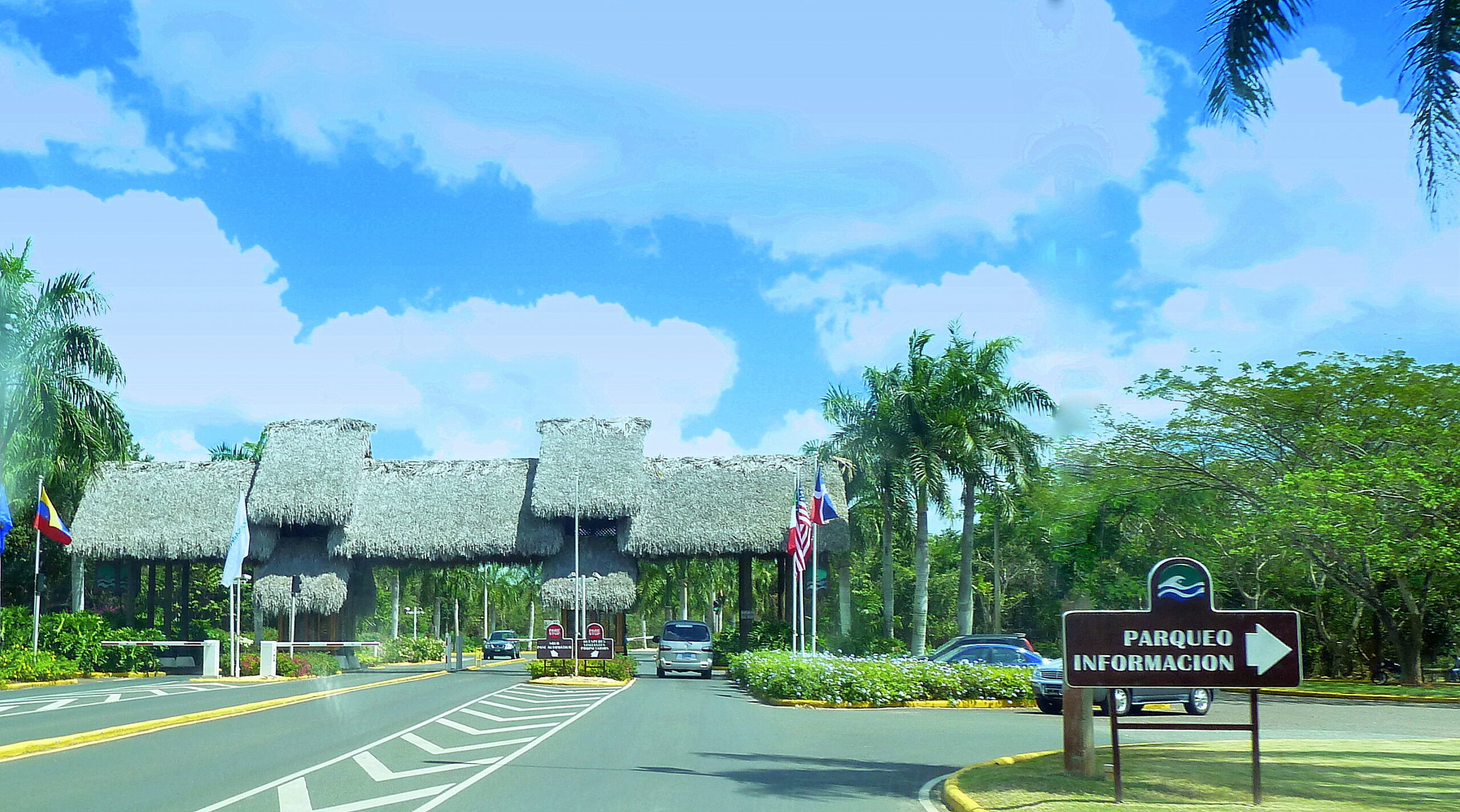
Punta Cana and Bávaro attract retirees who want resort infrastructure, golf, gated communities and direct access to Punta Cana International Airport. The trade-off can be higher tourist-zone prices.
Santo Domingo districts such as Naco and Piantini appeal to retirees who want city services, private clinics, shopping and restaurants nearby. They are frequently described as better-off districts.
Population counts by town vary between sources and no official expat census exists. The key point is location choice changes daily costs, healthcare access, hurricane exposure and safety.
Cost of Living for a Retired Couple
Public relocation guides generally describe the Dominican Republic as affordable for retirees. But verified, area-specific monthly budgets for a couple vary widely by location, housing standard and imported goods.
No single authoritative nationwide couple budget was found in the reviewed sources. Exact figures should be treated as estimates unless tied to a named provider.
A beachside condo in Las Terrenas or Punta Cana can cost more than a city apartment in a less central Santo Domingo neighbourhood. Imported goods also raise grocery budgets.
Electricity is a major variable because air conditioning can drive bills higher in coastal heat. Retirees who live without heavy air conditioning often report lower monthly costs.
The safe approach is to test a location with a rental before purchasing. A rental period reveals real utility, transport and healthcare costs better than a generic online estimate.
Healthcare and Private Insurance
Private healthcare is the standard for many expatriates and retirees in the Dominican Republic. English-speaking private care is concentrated in Santo Domingo and Santiago.
Sources point to a broad private clinic and hospital network rather than one single system. The choice of insurer and clinic matters because service levels are not uniform nationwide.
Insurance choice typically depends on age, pre-existing conditions and desired coverage level. Older applicants should compare plans carefully because underwriting can differ from home-country norms.
Santo Domingo and Santiago are the main destinations for advanced private care. Retirees in coastal towns may need to travel for complex procedures or specialist consultations.
Before moving, retirees should test the local clinic network in their intended town. Proximity to a private emergency facility can shape the choice between a beach town and a city district.
Tax Treatment of Foreign Pensions
Law 171-07 grants a defined set of incentives: exemption on declared foreign pension or rental income, duty-free import of household goods under Law 14-93, a partial vehicle-import exemption, full exemption from transfer tax on a first property, a 50 percent reduction on mortgage tax and on annual property tax, and a 50 percent exemption on capital gains from a property sale. The qualifying mechanism is residency, not an automatic blanket exemption for every foreign retiree.
The exact scope of income-tax treatment should be read from the statutory text and implementing practice. The official migration page confirms the income threshold and dependency add-ons but does not itself spell out a universal exemption.
For US citizens, Dominican tax treatment is not the only issue. US tax obligations generally continue regardless of foreign residence, so retirees should get cross-border advice.
The most prudent view is that the pensionado regime can reduce local exposure but does not replace professional tax planning. Tax laws can also change between application and renewal.
Retirees should keep proof of their foreign pension source and residency status. That documentation supports both DGM renewals and any tax position taken under the law.
Property Purchase by Foreigners
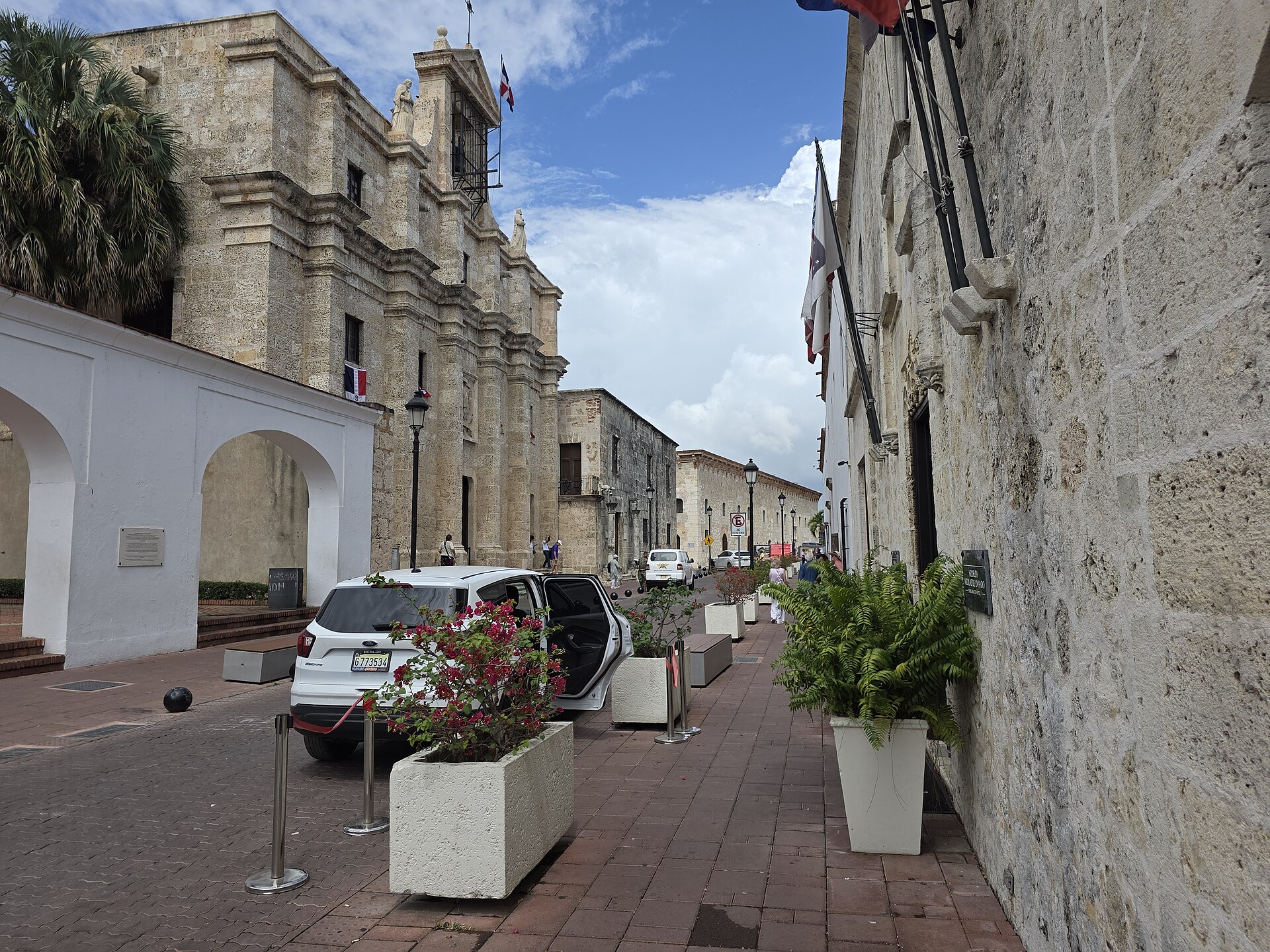
Foreigners may buy property in the Dominican Republic. Ownership is recorded through the Registro de Títulos, the national title registry.
No general foreigner-specific ownership restriction was identified in the sources reviewed. That means a foreign buyer can hold titled property in their own name.
The title process matters because a clear certificate from the Registro de Títulos is the central proof of ownership. Buyers should insist on a title search before transferring funds.
Coastal retiree towns offer condos, villas and gated community homes, but construction quality and legal status vary. A local real estate lawyer should review the title and the purchase contract.
Foreign buyers often start with a property they can rent when absent. That adds management costs and storm-season maintenance, which should be part of the purchase decision.
Hurricane Season Preparedness
The Dominican Republic is in the Atlantic hurricane belt. Standard preparedness guidance applies from June 1 to November 30.
Coastal retiree locations such as Samaná, the north coast and Punta Cana should plan for storm season logistics, travel disruption and emergency supplies. Hurricane season does not mean constant storms, but it does mean monitoring systems and having a plan. Power outages and water interruptions can occur even without a direct hit.
Retirees should keep passports, residence documents and insurance policies in a waterproof file. A supply of water, non-perishable food, cash and medications is standard advice.
Travel disruption is a real risk because flights can be delayed or cancelled during storm alerts. Retirees with medical needs should avoid being trapped without access to a private clinic.
Safety by Area
Safety is highly location-dependent in the Dominican Republic. In general, Santo Domingo’s better-off districts and major resort and tourist zones tend to be described as safer than lower-income urban areas.
Tourist towns can still see petty theft and opportunistic crime. A beach town with many short-term visitors can attract bag-snatchers even if violent crime is less common.
Naco and Piantini benefit from private security, dense commercial activity and better street lighting. Still, city awareness around ATMs and parking areas remains necessary.
Punta Cana and Bávaro operate partly as resort corridors with controlled access. That can reduce some street crime but does not eliminate property crime inside rentals.
Area-by-area safety claims should be checked against current local advisories because conditions change. Retirees should visit at different times of day and ask long-term residents about specific blocks.
The Practical Retirement Decision
The Dominican Republic offers a clear legal route for retirees with foreign pension income, but the benefit comes with annual compliance. The US$1,500 monthly threshold is the entry point for a pensionado.
Location choice drives nearly everything else: housing cost, healthcare access, storm exposure and daily safety. The difference between Las Terrenas and Piantini is not just scenery but infrastructure.
Private healthcare and property ownership are available to foreigners, but both require local due diligence. A titled property and a tested clinic network reduce long-term risk.
Hurricane season is a standing fact of life from June through November. Retirees who accept that reality and prepare accordingly tend to have fewer disruptions.
For a standing reference, the pensionado track is best treated as a framework rather than a promise. The controlling source is always the current DGM service page and the text of Law 171-07.
Connected Coverage
Dominican Republic Murder Rate Falls to 7.39 per 100,000
Dominican Republic Grants Foreigners Full Property Rights Before Notary
The Big Picture
This article was drafted with automated assistance and reviewed before publication. How we use AI · Report an error · Editorial responsibility: Matthias Camenzind, Editor-in-Chief
Expat Guide to Dominican Republic
What The Rio Times publishes for foreigners who live in or move to Dominican Republic.
Start here
- Dominican Republic Security and Crime Explained 2026
- Best Places to Live in the Dominican Republic 2026
- Cost of Living Santo Domingo 2026 — Rent and the Power Question
- Healthcare in the Dominican Republic 2026: What Foreigners Can Actually Get
City guides
Coming up in Dominican Republic
- Soy Luna Plays Santo Domingo on 31 October 2026 31 Oct
- Eladio Carrion in Santiago, Dominican Republic, 31 October 31 Oct
- Keinemusik's &ME Plays Santo Domingo on 31 October 31 Oct
- Afro Fest Punta Cana 2026 in the Dominican Republic: Afro Nation's Afrobeats Weekender on November 6–8 6 Nov
Understand Dominican Republic