Utilities M&A · Brazil
Key Facts
—The plan. Sabesp and EMAE signed a merger protocol in June 2026 for Sabesp to absorb all EMAE shares it does not already own.
—The vote. Extraordinary shareholder meetings are scheduled for July 30, 2026 to approve the share-for-share merger.
—The outcome. EMAE would become a wholly owned Sabesp subsidiary and be delisted from B3’s Traditional segment.
—The build-up. Sabesp took control of EMAE in January 2026, buying about 74.9% of its voting capital for roughly R$682 million (about US$126 million).
—The rationale. Sabesp says the deal unifies the two shareholder bases and integrates water and energy operations to improve efficiency.
São Paulo’s water utility Sabesp is moving to fold power company EMAE fully into its structure. Shareholders vote on July 30 on a merger that would delist EMAE and make it a wholly owned subsidiary.
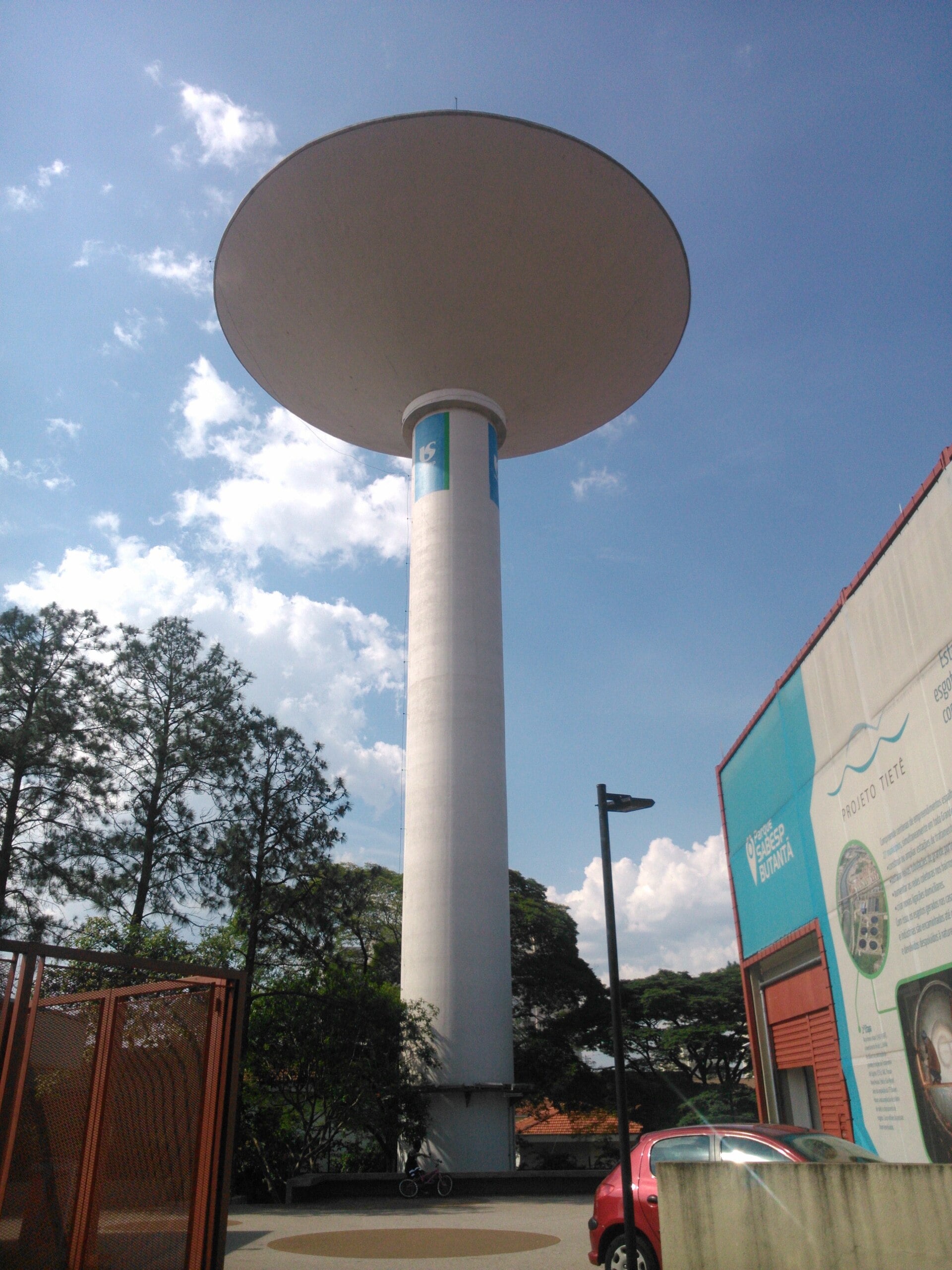
The merger on the table
Sabesp and Empresa Metropolitana de Águas e Energia, known as EMAE, executed a merger protocol in June 2026 under which Sabesp will absorb every EMAE share it does not already hold. Extraordinary general meetings of both companies are scheduled for July 30, 2026 to vote on the plan.
If approved, EMAE would become a wholly owned subsidiary of Sabesp and its stock would be removed from B3’s Traditional listing segment. Sabesp has estimated the transaction costs at roughly R$4.45 million (about US$0.8 million).
For a foreign reader, a share-for-share merger means EMAE minority shareholders would not receive cash. Instead, they would swap their EMAE stock for Sabesp shares at a pre-agreed exchange ratio, becoming direct investors in the larger, combined company.
Delisting from B3, Brazil’s main stock exchange in São Paulo, means EMAE’s shares would stop trading publicly, and the company would no longer need to file separate quarterly financial reports or hold its own annual shareholder meetings.
How Sabesp got here
Sabesp acquired control of EMAE in January 2026, purchasing about 74.9% of its voting capital for roughly R$682 million (about US$126 million). It followed with a mandatory tender offer for remaining common shares priced at R$49.46 (about US$9.20) each.
In March 2026 Sabesp bought the Oceania investment fund, which held a strategic EMAE stake, for R$171.6 million (about US$32 million). Those steps lifted Sabesp’s direct and indirect holdings and set the stage for a full merger.
Under Brazilian corporate law, once an acquirer crosses a certain ownership threshold, it must launch a mandatory tender offer to give minority shareholders a fair exit. That is the step Sabesp took after its initial January purchase.
The subsequent acquisition of the Oceania fund further consolidated its grip, making a full merger the logical next move to eliminate the administrative cost of running two separate listed entities.
Live Company IntelligenceCompanhia de Saneamento Básico do Estado de São Paulo – SABESP — the full investor dossier
Valuation & profitability
Price & risk
$21.6652-wk high
$35.32
Revenue trend · 6y
Ownership
Dividend
Why it matters
EMAE operates hydroelectric and water-management assets in the São Paulo metropolitan region, including infrastructure tied to the Billings and Guarapiranga reservoir systems. Combining those assets with Sabesp’s water and sanitation network is intended to streamline management of shared river basins.
Sabesp, privatized in 2024, has pursued a leaner corporate structure and integrated operations as it seeks efficiency gains. The company says unifying the shareholder bases will simplify governance and administration across the two businesses.
The broader significance lies in how a privatized water utility uses consolidation to tackle a chronic challenge in greater São Paulo: the interconnected management of water supply, flood control, and hydropower generation. The Billings and Guarapiranga reservoirs are not just energy assets; they are critical to the region’s drinking-water security and stormwater regulation.
Bringing EMAE’s reservoir operations and Sabesp’s sanitation network under one roof could, in theory, reduce the friction that arises when separate public or semi-public bodies manage different parts of the same watershed.
What to watch next is whether the promised efficiency gains materialize in practice. Merging two corporate cultures and integrating physical infrastructure takes years, and the savings from delisting EMAE are small relative to the operational challenges.
Another open question is how the combined entity will balance the sometimes competing demands of hydropower production and urban water supply, especially during drought years when reservoir levels drop and energy output must be curtailed to preserve drinking water. Finally, minority shareholders will be watching the exchange ratio closely to judge whether the deal treats them fairly.
Frequently Asked Questions
What are shareholders voting on?
At extraordinary meetings on July 30, 2026, Sabesp and EMAE shareholders vote on a merger under which Sabesp absorbs all EMAE shares it does not own, delisting EMAE from B3.
How much did Sabesp pay for control of EMAE?
Sabesp bought about 74.9% of EMAE’s voting capital in January 2026 for roughly R$682 million, or about US$126 million.
What does EMAE do?
EMAE runs hydroelectric and water-management assets in the São Paulo metropolitan area, including infrastructure linked to the Billings and Guarapiranga reservoirs.
Sources
- TipRanks — Sabesp/EMAE control
- TipRanks — June 2026 merger plan
- The Globe and Mail — tender offer
Connected Coverage
- Companhia de Saneamento Básico do Estado de São Paulo – SABESP
- Copasa Privatization Bids Open as Sabesp Steps Aside in Brazil
- Brazil’s Copasa Privatization Cleared; Aegea, Sabesp Bid
Sources: Sabesp; EMAE; B3.
This article was produced by The Rio Times’ automated newsroom system. How we use AI · Report an error
Read More from The Rio Times