IBOV 167,874.64 ▼ 2.50% IPSA 11,128.56 ▼ 1.25% IPC MEX 66,438.58 ▼ 0.75% MERVAL 3,022,485 ▼ 3.19% COLCAP 2,423.37 ▲ 2.14% BVL PERÚ 59,693.55 ▼ 1.60% USD/BRL5.16▲ 0.93% USD/MXN17.07▼ 0.40% USD/CLP913.38▼ 0.42% USD/COP3,125▼ 0.99% USD/PEN3.38▼ 0.01% USD/ARS1,491▼ 0.53% USD/UYU40.23▲ 1.56% USD/PYG5,925▲ 1.88% USD/BOB11.72▲ 0.37% USD/DOP58.20▲ 1.20% USD/CRC447.79▲ 1.51% USD/GTQ7.62▲ 2.47% USD/HNL26.78▲ 1.86% USD/NIO36.62▲ 1.01% USD/VES761.22▲ 0.13% USD/PAB1.00— 0.00% USD/BZD2.00— 0.00% USD/JMD157.26▲ 0.31% USD/TTD6.71▲ 1.22% EUR/BRL5.95▲ 1.42% BRENT 88.61 ▲ 1.01% WTI 83.09 ▲ 1.17% IRON ORE 161.91 — — COPPER 6.63 ▲ 0.60% GOLD 4,444 ▲ 1.89% SILVER 65.10 ▼ 0.01% SOY 1,168 ▲ 0.86% CORN 460.75 ▲ 5.13% WHEAT 629.25 ▼ 1.76% COFFEE 314.20 ▼ 5.45% SUGAR 16.68 ▲ 1.28% ORANGE JUICE 139.60 ▼ 1.59% COTTON 83.79 ▲ 1.29% COCOA 5,665 ▼ 2.68% BEEF 226.88 ▼ 2.74% CATTLE 345.60 ▼ 1.47% LITHIUM 74.08 ▼ 0.88% PETR4 41.35 ▼ 2.08% VALE3 74.56 ▲ 0.89% ITUB4 39.42 ▼ 2.47% BBDC4 16.90 ▼ 1.63% ABEV3 15.04 ▼ 1.51% BBAS3 19.55 ▼ 2.40% B3SA3 14.29 ▼ 2.59% WEGE3 47.12 ▼ 1.07% PRIO3 59.37 ▼ 3.05% SUZB3 40.61 ▼ 1.65% RENT3 35.00 ▼ 3.58% AZZA3 16.45 ▼ 1.79% CSAN3 3.38 ▼ 2.03% RAIZ4 0.25 — 0.00% PCAR3 2.71 ▼ 4.58% GMAT3 3.68 — 0.00% PSSA3 49.00 ▼ 1.41% CVCB3 1.36 ▼ 4.23% POSI3 3.32 ▼ 5.14% SLCE3 13.28 ▼ 0.67% NATU3 8.31 ▲ 2.85% BRKM5 5.73 ▼ 0.35% RANI3 7.96 ▼ 0.75% CSNA3 4.28 ▼ 4.04% CMIN3 5.41 ▼ 0.92% USIM5 6.87 ▼ 4.05% GGBR4 24.29 ▼ 3.80% ENEV3 24.66 ▼ 2.61% CPFE3 43.58 ▼ 1.85% CMIG4 10.58 ▼ 0.94% EQTL3 35.89 ▼ 2.39% LREN3 12.12 — 0.00% VIVT3 30.13 ▼ 1.37% RAIL3 13.02 ▼ 1.51% KLABIN 17.59 ▼ 1.51% RAIA DROGASIL 18.30 ▼ 5.57% RDOR3 33.15 ▼ 2.41% HAPV3 10.09 ▼ 2.04% FLRY3 18.50 ▲ 0.44% SMTO3 15.48 ▲ 3.55% UGPA3 31.01 ▲ 0.03% VBBR3 33.27 ▼ 0.51% BBSE3 37.35 ▼ 2.30% BPAC11 50.46 ▼ 6.31% CURY3 31.49 ▼ 0.63% AERI3 2.28 ▼ 1.30% VIVARA 21.02 ▼ 2.87% COMPASS 22.19 ▼ 1.47% VAMOS 2.86 ▼ 1.72% SANB11 29.42 ▲ 0.58% ASAI3 7.98 ▼ 0.99% SBSP3 26.06 ▼ 1.85% WALMEX 48.34 ▲ 0.33% GMEXICO 222.28 ▼ 1.13% FEMSA 202.06 ▼ 1.76% CEMEX 19.12 ▼ 1.85% GFNORTE 193.42 ▼ 1.89% BIMBO 61.68 ▲ 0.15% TELEVISA 9.70 ▼ 2.71% AMX 20.18 ▼ 1.46% GAP 365.49 ▼ 1.29% ASUR 271.39 ▼ 1.18% OMA 232.25 ▼ 0.10% KOF 185.16 ▼ 0.78% GRUMA 255.01 ▲ 0.02% KIMBER 39.93 ▼ 0.92% SQM-B 65,727 ▼ 1.83% COPEC 6,030 ▼ 1.18% BSANTANDER 79.88 ▼ 2.35% FALABELLA 6,321 ▼ 1.84% ENELAM 87.10 ▼ 0.46% CENCOSUD 1,980 ▼ 3.41% CMPC 1,038 ▲ 0.25% BANCO CHILE 188.93 ▼ 0.44% LATAM AIR 24.47 ▼ 1.29% YPF 7,920 ▼ 1.80% GGAL 7,075 ▼ 3.87% PAMPA 5,175 ▼ 1.24% TXAR 764.50 ▲ 1.33% ALUAR 954.00 ▲ 0.26% TGS 9,150 ▼ 1.93% CEPU 2,137 ▼ 2.33% MIRGOR 1,655 ▼ 2.07% COME 42.95 ▲ 0.14% LOMA NEGRA 3,150 ▼ 3.37% BYMA 286.50 ▼ 0.09% TELECOM ARG 4,355 ▼ 3.65% ECOPETROL 16.91 ▼ 0.82% BANCOLOMBIA 99.23 ▲ 8.48% GRUPO AVAL 5.31 ▲ 0.47% CREDICORP 377.45 ▼ 1.25% SOUTHERN COPPER 191.37 ▼ 4.37% BUENAVENTURA 34.50 ▼ 0.23% MERCADOLIBRE 1,922 ▲ 5.37% NUBANK 13.58 ▼ 2.02% XP 15.62 ▼ 3.61% PAGSEGURO 8.98 ▼ 1.16% STONE 10.14 ▼ 2.27% GLOBANT 39.08 ▲ 1.37% TECNOGLASS 42.82 ▲ 3.36% GAP AIRPORT 213.25 ▼ 1.35% ASUR 271.39 ▼ 1.18% OMA AIRPORT 108.50 ▼ 0.03% AMX ADR 23.52 ▼ 1.55% FEMSA ADR 118.01 ▼ 1.59% CEMEX ADR 11.14 ▼ 1.46% PETROBRAS ADR 17.96 ▼ 2.05% VALE ADR 14.41 ▼ 3.26% ITAU ADR 7.61 ▼ 3.44% SANTANDER BR 5.75 ▼ 0.26% AMBEV ADR 2.87 ▼ 2.35% CSN 0.85 ▼ 5.45% GERDAU 4.73 ▼ 4.74% LATAM ADR 53.35 ▼ 0.73% BTC 63,430 ▼ 0.75% ETH 1,862 ▼ 0.48% SOL 74.91 ▼ 1.36% XRP 1.01 ▼ 0.12% BNB 609.12 ▲ 1.74% ADA 0.19 ▼ 2.98% DOGE 0.07 ▲ 1.06% AVAX 6.22 ▼ 3.28% LINK 8.55 ▲ 3.15% DOT 0.78 ▼ 2.74% LTC 45.03 ▼ 0.18% BCH 211.80 ▼ 0.62% TRX 0.33 ▲ 1.19% XLM 0.16 ▼ 0.70% HBAR 0.07 ▼ 2.34% NEAR 1.55 ▼ 3.38% ATOM 1.42 ▲ 1.77% AAVE 86.84 ▼ 2.57% SELIC 14.00% EMBRAER 93.08 ▼ 1.67% EMBRAER ADR 71.88 ▼ 2.61% JBS 13.12 ▼ 2.20% JBS BDR 67.46 ▼ 2.10% MBRF3 15.47 ▼ 2.95% MBRFY 2.95 ▼ 4.84% INTER 5.13 ▼ 4.21% EGX 54,829 ▼ 0.09% USD/ZAR16.18▼ 0.10% USD/NGN1,360▼ 0.09% NIKKEI 66,970 ▲ 2.08% CSI300 4,664 ▼ 0.81% HSI 25,653 ▼ 1.10% NIFTY 24,472 ▼ 0.46% KOSPI 6,346 ▲ 0.73% JCI 6,268 ▼ 1.53% USD/JPY159.28▼ 0.02% USD/CNY6.74▼ 0.02% DAX 26,391 ▲ 0.26% CAC 8,715 ▼ 0.13% FTSE 10,844 ▼ 0.17% MIB 53,706 ▲ 0.08% IBEX 20,214 ▲ 0.20% STOXX 660.51 ▲ 0.01% EUR/USD1.15▲ 0.03% GBP/USD1.35▲ 0.15% SPX 7,735 ▼ 0.23% DJI 53,897 ▼ 0.15% NDX 29,524 ▼ 0.33% RUT 3,030 ▲ 0.43% TSX 36,503 ▲ 0.12% VIX 15.41 ▼ 0.32% USD/CAD1.39▼ 0.14% US10Y 4.6840 ▼ 0.32% IBOV 167,874.64 ▼ 2.50% IPSA 11,128.56 ▼ 1.25% IPC MEX 66,438.58 ▼ 0.75% MERVAL 3,022,485 ▼ 3.19% COLCAP 2,423.37 ▲ 2.14% BVL PERÚ 59,693.55 ▼ 1.60% USD/BRL 5.16 ▲ 1.01% USD/MXN 17.10 ▼ 0.22% USD/CLP 913.58 ▼ 0.40% USD/COP 3,116 ▼ 1.26% USD/PEN 3.38 ▼ 0.09% USD/ARS 1,493 ▼ 0.39% USD/UYU 40.23 ▲ 1.56% USD/PYG 5,925 ▲ 1.88% USD/BOB 11.72 ▲ 0.37% USD/DOP 58.20 ▲ 1.20% USD/CRC 447.79 ▲ 1.51% USD/GTQ 7.62 ▲ 2.47% USD/HNL 26.78 ▲ 1.86% USD/NIO 36.62 ▲ 1.01% USD/VES 759.31 ▼ 0.13% USD/PAB 1.00 — 0.00% USD/BZD 2.00 — 0.00% USD/JMD 157.39 ▲ 0.39% USD/TTD 6.71 ▲ 1.22% EUR/BRL 5.95 ▲ 1.45% BRENT 88.61 ▲ 1.01% WTI 83.09 ▲ 1.17% IRON ORE 161.91 — — COPPER 6.63 ▲ 0.60% GOLD 4,444 ▲ 1.89% SILVER 65.10 ▼ 0.01% SOY 1,168 ▲ 0.86% CORN 460.75 ▲ 5.13% WHEAT 629.25 ▼ 1.76% COFFEE 314.20 ▼ 5.45% SUGAR 16.68 ▲ 1.28% ORANGE JUICE 139.60 ▼ 1.59% COTTON 83.79 ▲ 1.29% COCOA 5,665 ▼ 2.68% BEEF 226.88 ▼ 2.74% CATTLE 345.60 ▼ 1.47% LITHIUM 74.08 ▼ 0.88% PETR4 41.35 ▼ 2.08% VALE3 74.56 ▲ 0.89% ITUB4 39.42 ▼ 2.47% BBDC4 16.90 ▼ 1.63% ABEV3 15.04 ▼ 1.51% BBAS3 19.55 ▼ 2.40% B3SA3 14.29 ▼ 2.59% WEGE3 47.12 ▼ 1.07% PRIO3 59.37 ▼ 3.05% SUZB3 40.61 ▼ 1.65% RENT3 35.00 ▼ 3.58% AZZA3 16.45 ▼ 1.79% CSAN3 3.38 ▼ 2.03% RAIZ4 0.25 — 0.00% PCAR3 2.71 ▼ 4.58% GMAT3 3.68 — 0.00% PSSA3 49.00 ▼ 1.41% CVCB3 1.36 ▼ 4.23% POSI3 3.32 ▼ 5.14% SLCE3 13.28 ▼ 0.67% NATU3 8.31 ▲ 2.85% BRKM5 5.73 ▼ 0.35% RANI3 7.96 ▼ 0.75% CSNA3 4.28 ▼ 4.04% CMIN3 5.41 ▼ 0.92% USIM5 6.87 ▼ 4.05% GGBR4 24.29 ▼ 3.80% ENEV3 24.66 ▼ 2.61% CPFE3 43.58 ▼ 1.85% CMIG4 10.58 ▼ 0.94% EQTL3 35.89 ▼ 2.39% LREN3 12.12 — 0.00% VIVT3 30.13 ▼ 1.37% RAIL3 13.02 ▼ 1.51% KLABIN 17.59 ▼ 1.51% RAIA DROGASIL 18.30 ▼ 5.57% RDOR3 33.15 ▼ 2.41% HAPV3 10.09 ▼ 2.04% FLRY3 18.50 ▲ 0.44% SMTO3 15.48 ▲ 3.55% UGPA3 31.01 ▲ 0.03% VBBR3 33.27 ▼ 0.51% BBSE3 37.35 ▼ 2.30% BPAC11 50.46 ▼ 6.31% CURY3 31.49 ▼ 0.63% AERI3 2.28 ▼ 1.30% VIVARA 21.02 ▼ 2.87% COMPASS 22.19 ▼ 1.47% VAMOS 2.86 ▼ 1.72% SANB11 29.42 ▲ 0.58% ASAI3 7.98 ▼ 0.99% SBSP3 26.06 ▼ 1.85% WALMEX 48.34 ▲ 0.33% GMEXICO 222.28 ▼ 1.13% FEMSA 202.06 ▼ 1.76% CEMEX 19.12 ▼ 1.85% GFNORTE 193.42 ▼ 1.89% BIMBO 61.68 ▲ 0.15% TELEVISA 9.70 ▼ 2.71% AMX 20.18 ▼ 1.46% GAP 365.49 ▼ 1.29% ASUR 271.39 ▼ 1.18% OMA 232.25 ▼ 0.10% KOF 185.16 ▼ 0.78% GRUMA 255.01 ▲ 0.02% KIMBER 39.93 ▼ 0.92% SQM-B 65,727 ▼ 1.83% COPEC 6,030 ▼ 1.18% BSANTANDER 79.88 ▼ 2.35% FALABELLA 6,321 ▼ 1.84% ENELAM 87.10 ▼ 0.46% CENCOSUD 1,980 ▼ 3.41% CMPC 1,038 ▲ 0.25% BANCO CHILE 188.93 ▼ 0.44% LATAM AIR 24.47 ▼ 1.29% YPF 7,920 ▼ 1.80% GGAL 7,075 ▼ 3.87% PAMPA 5,175 ▼ 1.24% TXAR 764.50 ▲ 1.33% ALUAR 954.00 ▲ 0.26% TGS 9,150 ▼ 1.93% CEPU 2,137 ▼ 2.33% MIRGOR 1,655 ▼ 2.07% COME 42.95 ▲ 0.14% LOMA NEGRA 3,150 ▼ 3.37% BYMA 286.50 ▼ 0.09% TELECOM ARG 4,355 ▼ 3.65% ECOPETROL 16.91 ▼ 0.82% BANCOLOMBIA 99.23 ▲ 8.48% GRUPO AVAL 5.31 ▲ 0.47% CREDICORP 377.45 ▼ 1.25% SOUTHERN COPPER 191.37 ▼ 4.37% BUENAVENTURA 34.50 ▼ 0.23% MERCADOLIBRE 1,922 ▲ 5.37% NUBANK 13.58 ▼ 2.02% XP 15.62 ▼ 3.61% PAGSEGURO 8.98 ▼ 1.16% STONE 10.14 ▼ 2.27% GLOBANT 39.08 ▲ 1.37% TECNOGLASS 42.82 ▲ 3.36% GAP AIRPORT 213.25 ▼ 1.35% ASUR 271.39 ▼ 1.18% OMA AIRPORT 108.50 ▼ 0.03% AMX ADR 23.52 ▼ 1.55% FEMSA ADR 118.01 ▼ 1.59% CEMEX ADR 11.14 ▼ 1.46% PETROBRAS ADR 17.96 ▼ 2.05% VALE ADR 14.41 ▼ 3.26% ITAU ADR 7.61 ▼ 3.44% SANTANDER BR 5.75 ▼ 0.26% AMBEV ADR 2.87 ▼ 2.35% CSN 0.85 ▼ 5.45% GERDAU 4.73 ▼ 4.74% LATAM ADR 53.35 ▼ 0.73% BTC 63,430 ▼ 0.75% ETH 1,862 ▼ 0.48% SOL 74.91 ▼ 1.36% XRP 1.01 ▼ 0.12% BNB 609.12 ▲ 1.74% ADA 0.19 ▼ 2.98% DOGE 0.07 ▲ 1.06% AVAX 6.22 ▼ 3.28% LINK 8.55 ▲ 3.15% DOT 0.78 ▼ 2.74% LTC 45.03 ▼ 0.18% BCH 211.80 ▼ 0.62% TRX 0.33 ▲ 1.19% XLM 0.16 ▼ 0.70% HBAR 0.07 ▼ 2.34% NEAR 1.55 ▼ 3.38% ATOM 1.42 ▲ 1.77% AAVE 86.84 ▼ 2.57% SELIC 14.00% EMBRAER 93.08 ▼ 1.67% EMBRAER ADR 71.88 ▼ 2.61% JBS 13.12 ▼ 2.20% JBS BDR 67.46 ▼ 2.10% MBRF3 15.47 ▼ 2.95% MBRFY 2.95 ▼ 4.84% INTER 5.13 ▼ 4.21% EGX 54,829 ▼ 0.09% USD/ZAR 16.20 ▲ 0.09% USD/NGN 1,360 ▲ 0.10% NIKKEI 66,970 ▲ 2.08% CSI300 4,664 ▼ 0.81% HSI 25,653 ▼ 1.10% NIFTY 24,472 ▼ 0.46% KOSPI 6,346 ▲ 0.73% JCI 6,268 ▼ 1.53% USD/JPY 159.26 ▲ 0.02% USD/CNY 6.7328 ▼ 0.07% DAX 26,391 ▲ 0.26% CAC 8,715 ▼ 0.13% FTSE 10,844 ▼ 0.17% MIB 53,706 ▲ 0.08% IBEX 20,214 ▲ 0.20% STOXX 660.51 ▲ 0.01% EUR/USD 1.1543 ▼ 0.03% GBP/USD 1.3506 ▼ 0.01% SPX 7,735 ▼ 0.23% DJI 53,897 ▼ 0.15% NDX 29,524 ▼ 0.33% RUT 3,030 ▲ 0.43% TSX 36,503 ▲ 0.12% VIX 15.41 ▼ 0.32% USD/CAD 1.3918 ▼ 0.11% US10Y 4.6840 ▼ 0.32%
since 2009
Tuesday, August 11, 2026

South Africa’s Central Bank Turns Dovish, Sending the Rand Toward 17 per Dollar

By · July 28, 2026 · 6 min read

Africa Intelligence

A daily Africa read from a Latin American newsroom. Free.

By subscribing you agree to our privacy policy. We never share your email.

Currency · South Africa

Update, 6 August 2026: the rand has since strengthened to about R16.33 per dollar as Brent slipped below US$80. Read our latest.

Key Facts

The turn. The South African Reserve Bank (SARB) struck an unexpectedly dovish tone at its July meeting.

The rate. The bank held its key repo rate at 7.0% while signalling a softer path ahead.

The rand. The currency weakened, with the dollar climbing from below 16.50 rand toward the 17 level.

The Fed. A hawkish US Federal Reserve and a stronger dollar overshadowed the SARB’s message.

Inflation. South African inflation accelerated to 5.0% in June, complicating the case for rate cuts.

South Africa’s central bank surprised markets with a dovish shift, and its currency paid the price. The rand slid toward 17 per dollar as a hawkish US Federal Reserve loomed over the decision.
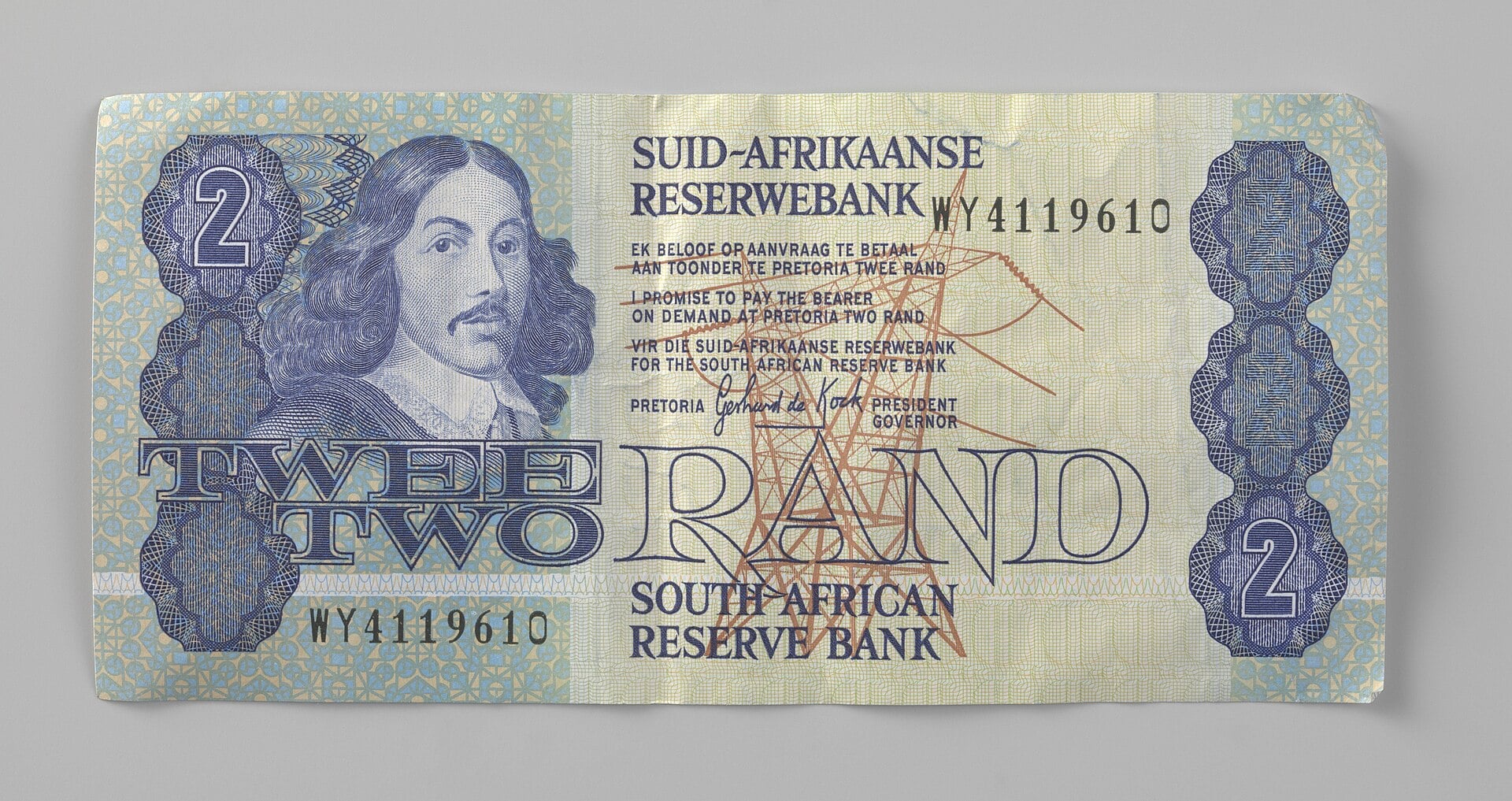
South African rand banknotes
The rand weakened toward 17 per dollar after the central bank’s dovish signal. (Photo: Wikimedia Commons)
One-stop reference
Company Intelligence
Every listed company in Latin America — financials, ownership and structure for 1,450+ companies across 26 exchanges, in one place.
Browse the directory →
RT
Ask Rio Times
Latin American markets, currencies and companies.
Open the full Ask Rio Times →

A dovish surprise

The South African Reserve Bank, long seen as one of the more hawkish central banks in emerging markets, adopted an unexpectedly dovish tone at its July meeting. It held the key repo rate at 7.0%, against a market consensus for a 25 basis point increase. The statement itself was not an easing signal: the committee flagged upside risks to inflation from oil, diesel and fertiliser costs, described policy as still somewhat restrictive, and split 4–2, with two members preferring a hike.

The shift caught investors who had positioned for a firmer stance.

For a bank that has prided itself on defending price stability, the softer message was a notable change. Markets read it as a sign the SARB is more willing to support growth even with inflation ticking up.

In plain terms, a “dovish” central bank is one that prioritises stimulating the economy and is less aggressive about raising interest rates to fight inflation. A “hawkish” bank does the opposite, keeping rates higher to cool prices even if that slows growth.

The SARB’s shift therefore matters because it changes the reward investors get for holding rand-denominated assets.

The repo rate is the interest rate at which the central bank lends to commercial banks. It acts as the foundation for borrowing costs across the economy, influencing everything from home loans to business credit.

Holding it steady while hinting at future cuts tells markets the SARB thinks the economy needs more support than previously believed.

The rand takes the hit

The currency reaction was swift. The dollar pushed up from below 16.50 rand toward the 17 mark, a level that signals real pressure on the currency.

A weaker rand raises the cost of imports and can feed back into inflation.

Currency moves of this size matter for a trade-exposed economy like South Africa’s. They affect fuel prices, imported goods and the returns foreign investors earn on local assets.

When the rand weakens, every dollar earned by exporters buys more local currency, which can help mining and manufacturing firms. But for ordinary households, a slide in the currency quickly shows up at the petrol pump and in supermarket prices, because South Africa imports a large share of its fuel, machinery and consumer goods.

The move toward 17 per dollar is psychologically important. Round numbers often act as thresholds where traders place orders, and a sustained break above such a level can accelerate selling pressure on the rand.

The Fed casts a long shadow

The dovish SARB was overshadowed by a more aggressive US Federal Reserve. Fed leadership has stressed that restoring price stability remains the priority and warned against letting inflation stay elevated for too long.

A hawkish Fed tends to strengthen the dollar and pull capital toward US assets. That dynamic weighs on emerging-market currencies like the rand, regardless of what local policymakers do.

This relationship is often called the “dollar smile” or simply the global risk channel. When US rates rise or are expected to stay high, investors can earn better returns on American government bonds with less perceived risk.

Money then flows out of countries like South Africa, pushing their currencies lower.

For the SARB, this creates a difficult trade-off. Cutting rates might help a sluggish domestic economy, but it also makes the rand less attractive just as the Fed is pulling capital the other way.

The result is often a weaker currency that imports inflation through higher import costs.

Inflation complicates the picture

South African inflation accelerated to 5.0% in June, moving higher within the central bank’s target range. Rising prices make it harder for the SARB to justify cutting rates, even as growth remains sluggish.

Higher oil prices and renewed geopolitical tension have added to the inflation risk. The bank is walking a fine line between supporting the economy and keeping price expectations anchored.

The SARB’s target range for inflation is 3% to 6%, and a reading of 5% sits in the upper half of that band. When inflation climbs toward the top of the range, the central bank normally leans hawkish to prevent it from breaching the ceiling.

The fact that the SARB turned dovish despite this inflation print is precisely why markets were caught off guard.

Anchored price expectations mean that households and businesses trust inflation will stay under control over the medium term. If that trust erodes, workers demand higher wages and firms raise prices preemptively, creating a spiral that is much harder to stop.

Why it matters beyond South Africa

The rand is one of the most heavily traded emerging-market currencies, so its swings ripple through global portfolios. Its slide is part of a broader pattern of pressure on developing-economy currencies as the dollar strengthens.

For investors and residents alike, a weaker rand means costlier dollars and imported goods. The currency’s direction will hinge as much on the Fed as on decisions made in Pretoria.

South Africa’s deep and liquid financial markets mean the rand often serves as a proxy for sentiment toward all emerging markets. When global funds reduce exposure to riskier assets, the rand is frequently among the first currencies sold.

This gives its moves a significance that extends well beyond the country’s own economic weight.

For foreign readers, the rand’s slide is a real-time example of how decisions in Washington can override local policy. Even a well-regarded institution like the SARB can see its intentions swamped by the gravitational pull of the world’s largest central bank.

What to watch

The immediate focus is whether the rand holds near 17 per dollar or slips further as the Fed’s stance becomes clearer. Movements in oil prices and global risk appetite will also shape the currency.

A durable recovery would likely require either a softer dollar or firmer signals from the SARB. Until then, the rand remains exposed to forces largely set outside South Africa’s borders.

One open question is whether the SARB will clarify its stance in upcoming speeches or minutes. Markets will be listening for any signal that the dovish turn was a one-off shift in language rather than the start of a sustained easing cycle.

Another question is how South Africa’s inflation responds to the weaker currency in the months ahead, since a further rise would leave the central bank with even less room to cut. Finally, the path of US monetary policy remains the dominant unknown.

Any hint that the Fed is preparing to pause or reverse its hawkish posture could rapidly change the outlook for the rand, while a more aggressive Fed would keep the pressure firmly on.

Frequently Asked Questions

What did the SARB do?

The South African Reserve Bank held its key repo rate at 7.0% but struck an unexpectedly dovish tone, signalling it could ease policy further.

Why did the rand weaken?

A dovish SARB combined with a hawkish US Federal Reserve and a stronger dollar pushed the dollar from below 16.50 rand toward the 17 level.

What is South Africa’s inflation rate?

Inflation accelerated to 5.0% in June, higher within the target range, which complicates the case for rate cuts.

Sources

Connected Coverage

South Africa’s Implats Halts Its Rustenburg Platinum Mine After Six Deaths

Russia-Africa Information Warfare Exposed in Angola Spy Trial

Sources: South African Reserve Bank (SARB).

The Big Picture

Africa: The New Scramble — why the world’s powers are competing for the continent

This article was produced by The Rio Times’ automated newsroom system. How we use AI · Report an error

LatAm Markets: Live Signals → — real-time movers, turnover leaders and FX across Latin America.

Read More from The Rio Times

The Rio Times · Power Map
See who really holds power in Latin America
Click to open the Power Map

Rotate for Best Experience

This report is optimized for landscape viewing. Rotate your phone for the full experience.