StoneX Buys Its Way Into Brazil’s Currency Market With Banco Travelex
Brazil · Finance
Key Facts
- —The deal StoneX announced on August 12 that it agreed to acquire Banco Travelex S.A. in Brazil.
- —The target Banco Travelex is Brazil’s first bank dedicated solely to foreign exchange, operating since 2010.
- —The buyer StoneX is a Nasdaq-listed global firm active in FX and payments across more than 180 countries.
- —Not included Travelex’s retail currency stores and branches are outside the deal; only the bank is being bought.
- —The catch The purchase still needs approval from Brazil’s Central Bank.
A US financial giant is acquiring the country’s first bank built entirely around foreign exchange. A bet on how much money crosses Brazil’s borders.
StoneX wants far more of that business, and it is buying Banco Travelex to get it. Every time a Brazilian company pays a foreign supplier, or a worker sends money home from abroad, someone handles the currency exchange.
What StoneX is actually buying
The US firm StoneX announced the move on August 12. It said it had signed a definitive agreement to acquire Banco Travelex S.A.
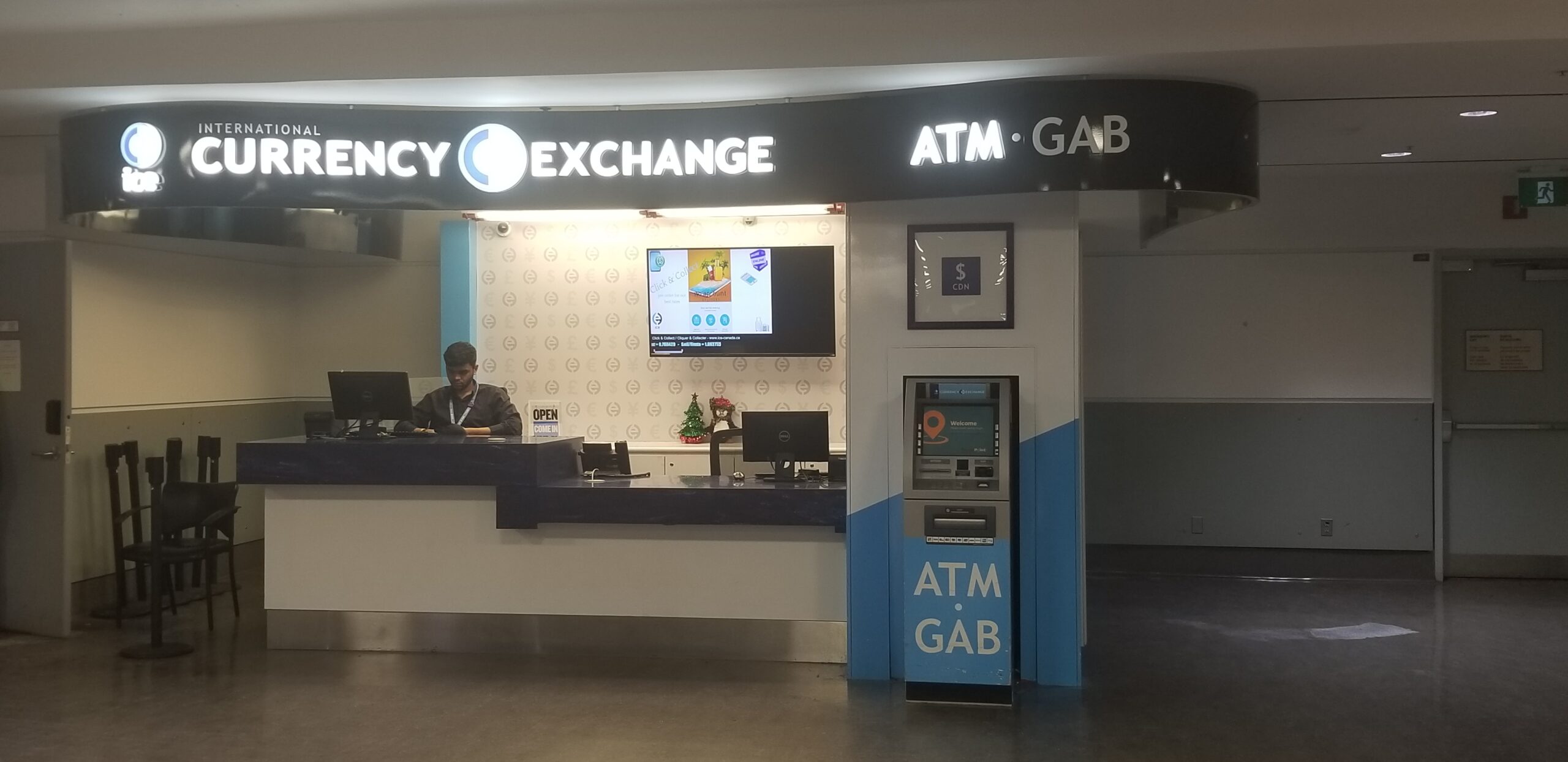
The wording is precise, and the precision matters. StoneX is buying the bank itself, not Travelex’s familiar currency-exchange shops.
Those retail stores and branches stay outside the deal. What StoneX wants is the regulated banking engine underneath.
Banco Travelex: a bank built for one job
Banco Travelex is an unusual institution. It is described as Brazil’s first bank dedicated exclusively to foreign exchange.
Since 2010, it has specialised in moving money across borders for both individuals and companies. Currency is not a side business here; it is the whole business.
In December 2024, Brazil’s Central Bank authorised it to operate as a full multiple-service bank, widening what it can legally offer.
A familiar name, a specialised business
The Travelex name is known to travellers worldwide, associated with currency booths in airports and city centres. But the Brazilian bank is a distinct, regulated creature.
It handles the serious plumbing of moving money across borders, not just holiday cash. That distinction is why StoneX wanted the bank specifically.
The value lies in the licence and the payments engine, not the tourist counters.
Why the buyer is a heavyweight
StoneX is no small player dipping a toe in. It is a Nasdaq-listed financial group that connects clients to global markets.
Its foreign-exchange and cross-border-payments arm reaches more than 180 countries and handles some 140 currencies. For a firm of that scale.
Buying a licensed Brazilian FX bank is a way to plug straight into a large, complex market. That global reach is the point.
StoneX can route a Brazilian client s payment through the same network it uses across dozens of other markets.
Why Brazil’s currency market is the prize
Brazil is one of Latin America’s biggest foreign-exchange markets, and StoneX said so plainly. A vast economy, heavy trade flows and millions of cross-border payments make currency a constant, high-volume need.
Owning a bank there lets StoneX offer local banking products alongside the FX and payments services it already runs.
What the deal unlocks for StoneX
The logic is about capability, not just size. A banking licence in Brazil opens doors that a foreign firm cannot easily walk through otherwise.
StoneX frames the purchase as an extension of its existing spot FX, international payments and related businesses. In short, it can now serve Brazilian clients more directly, rather than reaching them from the outside.
A quiet corner of finance, growing fast
Foreign exchange rarely makes front pages, yet it underpins modern commerce. Every import, export and remittance passes through it.
Cross-border payments in particular are booming, driven by online trade and companies with suppliers scattered worldwide. That is the current StoneX is trying to ride, and Banco Travelex gives it a Brazilian vessel to do so.
It is a reminder that behind every headline currency figure sits an enormous, unglamorous business of settling payments.
The Central Bank still holds the key
For now, the deal is an agreement, not a done transaction. Brazil’s Central Bank must approve the change of ownership.
That review is routine but not automatic. Regulators scrutinise who controls a bank and how it will be run.
Until that approval comes, StoneX and Banco Travelex remain, formally, separate.
Foreign firms circling Brazilian finance
The deal fits a broader pattern. Global financial players have been steadily deepening their presence in Brazil.
The country’s size, its appetite for digital payments and its maturing rules all draw outside capital. Each acquisition like this one raises the competitive stakes for local banks and fintechs alike.
A sign of foreign appetite for Brazil
The purchase is also a signal. A major US firm is willing to buy deeper into Brazilian finance, red tape and all.
That matters at a moment when investors are weighing Latin America’s risks and rewards carefully. A vote of confidence in Brazil’s payments future, from a company with global reach, does not go unnoticed.
What it means for customers
For businesses that trade internationally, more competition in currency services is welcome news. A well-resourced owner could sharpen Banco Travelex’s technology and widen what it offers companies moving money abroad.
The promise, at least, is faster and cheaper cross-border payments for Brazilian firms and individuals.
What to watch next
The first thing to watch is the Central Bank’s decision, and how long it takes. After that, the question is integration: whether StoneX blends Banco Travelex smoothly into its global machine.
If it does, Brazil’s busy currency market will have one more powerful, internationally connected player in the mix. Rivals will be watching too.
A strengthened Banco Travelex changes the competitive map for anyone selling currency services in Brazil.
Frequently Asked Questions
What is Banco Travelex?
It is described as Brazil’s first bank dedicated solely to foreign exchange. Operating since 2010 and licensed as a full bank in December 2024.
What exactly did StoneX buy?
It agreed to acquire Banco Travelex S.A. only. Travelex’s retail currency-exchange stores and branches are not part of the deal.
Who is StoneX?
It is a Nasdaq-listed US financial group whose FX and cross-border-payments business operates in more than 180 countries and 140 currencies.
Why does StoneX want a Brazilian bank?
Brazil is one of Latin America’s largest currency markets. A local banking licence lets StoneX offer FX and payments services directly.
Is the deal final?
No. It still requires approval from Brazil’s Central Bank before it can be completed.
Sources: StoneX; Banco Central do Brasil; Reuters; Valor Econômico.
This article was produced by The Rio Times’ automated newsroom system. How we use AI · Report an error
Read More from The Rio Times