Tunisia · AGRICULTURE
Key Facts
—Recovery status: 2025 cereal harvest 1.7 million tonnes, nearly 18 percent above the five-year average.
—2026 harvest: Ministry targeted 22 million quintals from 991,000 hectares; by end-July 2026, 10.752 million collected, 98% of campaign.
—Soft wheat jump: Collection nearly doubled, 600,000 quintals in 2025 to 1.1 million in 2026.
—Import reliance: FAO forecasts 2025/26 wheat imports at 2 million tonnes, 3% below average, covering about 55% of demand.
—Dam levels: Fill rates hit 57% on 24 March, 67% on 2 May, about 60% on 23 June 2026.
—Infrastructure strain: Evaporation tops 1 million cubic metres daily against a 500,000 to 600,000 norm.
Tunisia’s cereal harvest is rebounding, but the real challenge is distribution, not drought. The 2026 story is about water loss and aging infrastructure, even as dams fill and harvests beat averages.
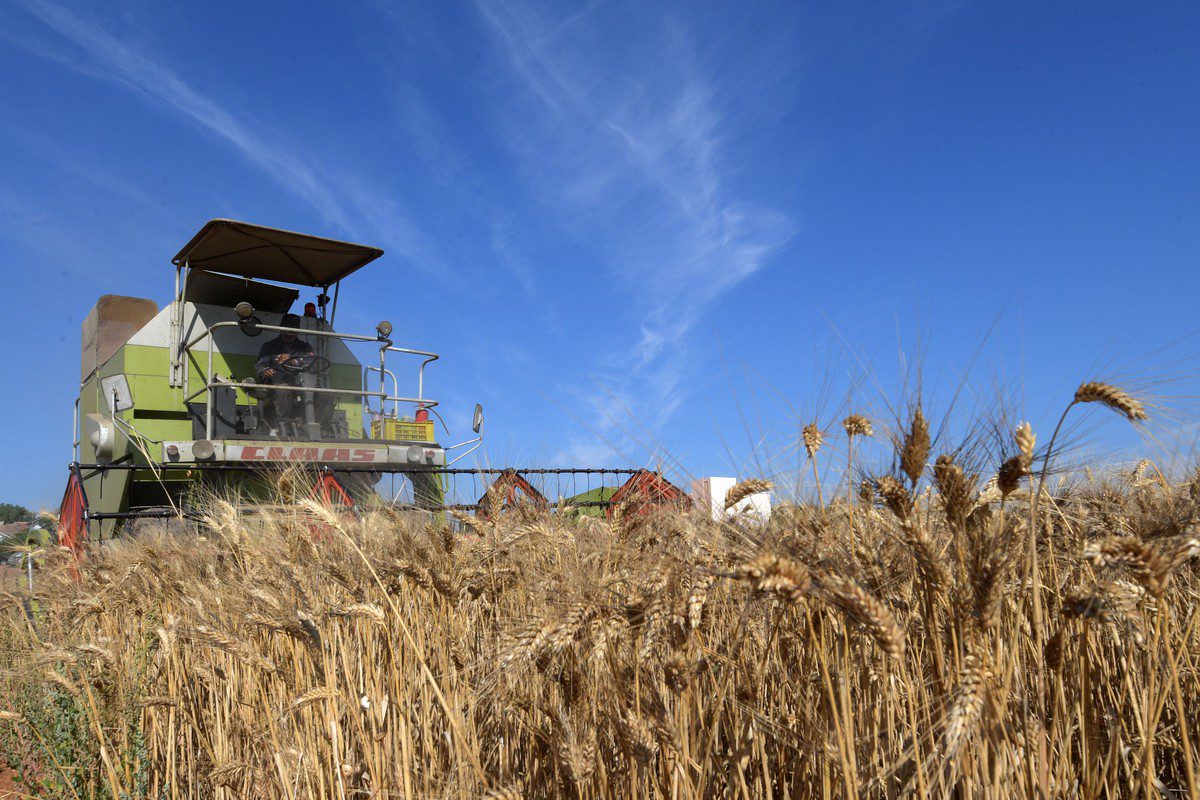
A Mediterranean cereal harvest under pressure
The Food and Agriculture Organization reported on 18 February 2026 that Tunisia’s 2025 cereal harvest hit 1.7 million tonnes. The figure comes from its Global Information and Early Warning System.
This is nearly 18 percent above the five-year average.
January 2026 brought abundant rainfall that offset earlier deficits. The Ministry of Agriculture then targeted over 22 million quintals from about 991,000 hectares for 2026.
Cereal harvest results beat expectations
By end-July 2026, more than 10.752 million quintals had been collected, hitting 98 percent of the campaign. The total harvest is estimated above 20 million quintals.
Soft-wheat collection nearly doubled, from 600,000 quintals in 2025 to 1.1 million in 2026. Durum stocks now cover national needs to January 2027.
The 2025 campaign collected 12 million quintals, so 2026 is down year-on-year. Still, production held above 20 million quintals in both years.
Distribution is the real 2026 challenge
Evaporation exceeded 1 million cubic metres a day in the late-June heat. The normal rate is 500,000 to 600,000 cubic metres daily.
The 59,000 km pipe network is largely more than 40 years old. Electricity cuts have hit 1,500 pumping stations and 1,200 deep wells.
Central dams such as Nebhana remain weak, while the north and Cap Bon did well. The Ministry’s Director General of Dams called the overall position “very reassuring”.
Import needs ease with recovery
The Food and Agriculture Organization forecasts 2025/26 wheat imports at about 2 million tonnes. That is roughly 3 percent below average, covering about 55 percent of wheat demand.
Total cereal imports were 4.1 million tonnes in 2024. This recovery contrasts with the 2023 trough, when drought forced heavier buying.
Water outlook brightens in 2026
Dam fill rates reached 57 percent on 24 March and 67 percent on 2 May. By 23 June, they stood at about 60 percent.
This contrasts with 41 percent on 30 May 2025. The improved position supports continued agricultural recovery.
New dams add capacity in 2026
Tunisia is due to commission three major dams by the end of 2026. Together they add 290 million cubic metres of capacity.
The Mellegue Superieur dam holds 200 million cubic metres. The Douimis dam in Bizerte adds 45 million.
The Kalaat Kebira reservoir accounts for another 50 million. It was 97 percent complete on 12 August 2026.
That figure is designed storage, not water currently held. National fill levels for August 2026 have not been published.
Grain prices stay firm through summer
Feed-grain prices held up through the harvest. The Office National des Fourrages set maize from its depots at 866 dinars a tonne for cash buyers.
That schedule took effect on 11 August 2026. Deferred payment costs more, with surcharges of 0.25, 0.5 and 1 percent.
Those surcharges apply at 45, 60 and 90 days respectively. Maize is animal feed, not bread wheat, but it sets the tone for grain pricing.
What to watch next
Policy focus is on fixing the aging pipe network and securing power for pumping stations. Evaporation losses remain a key risk in summer heat.
Authorities are centralising water decisions, but local capacity is limited. Recovery is real, yet distribution bottlenecks could cap the gains.
Frequently Asked Questions
What is Tunisia’s current harvest status?
The 2026 harvest is estimated above 20 million quintals, with collection at 98 percent by end-July. Soft-wheat output nearly doubled to 1.1 million quintals.
How much grain is Tunisia importing now?
Wheat imports for 2025/26 are forecast at 2 million tonnes, about 3 percent below average. This covers roughly 55 percent of wheat demand.
Are dams recovering in 2026?
Dam fill rates reached 67 percent in early May and about 60 percent in late June 2026. This is a clear improvement from 41 percent in May 2025.
Connected Coverage
For more on agricultural infrastructure and water management in North Africa, read our related reporting on regional resource systems.
Sources
This article was produced by The Rio Times’ automated newsroom system. How we use AI · Report an error
Read More from The Rio Times