U.S. Eases Venezuela Sanctions After 589 Die in Quakes
Venezuela · Politics
Key Facts
—License Issued The U.S. Treasury’s General License 60, issued June 25, 2026, authorizes transactions related to earthquake relief in Venezuela through October 23, 2026.
—Disaster Scale Twin earthquakes struck the Caracas/La Guaira area on June 24, 2026, with official tallies reporting at least 589 dead in the immediate aftermath.
—Scope of Relief The waiver covers humanitarian transactions through U.S. financial institutions and registered money transmitters but does not unblock frozen Venezuelan property.
—Venezuelan Response The Chavista government argues the temporary license is insufficient and continues to seek broader sanctions relief and access to frozen funds abroad.
—Political Pressure U.S. lawmakers and over 100 economists have urged the White House to go further and lift broader sanctions to support Venezuela’s recovery.
The United States has Venezuela sanctions eased through a temporary license designed to channel humanitarian aid to the South American nation after twin earthquakes devastated areas near the capital, Caracas, in late June 2026.
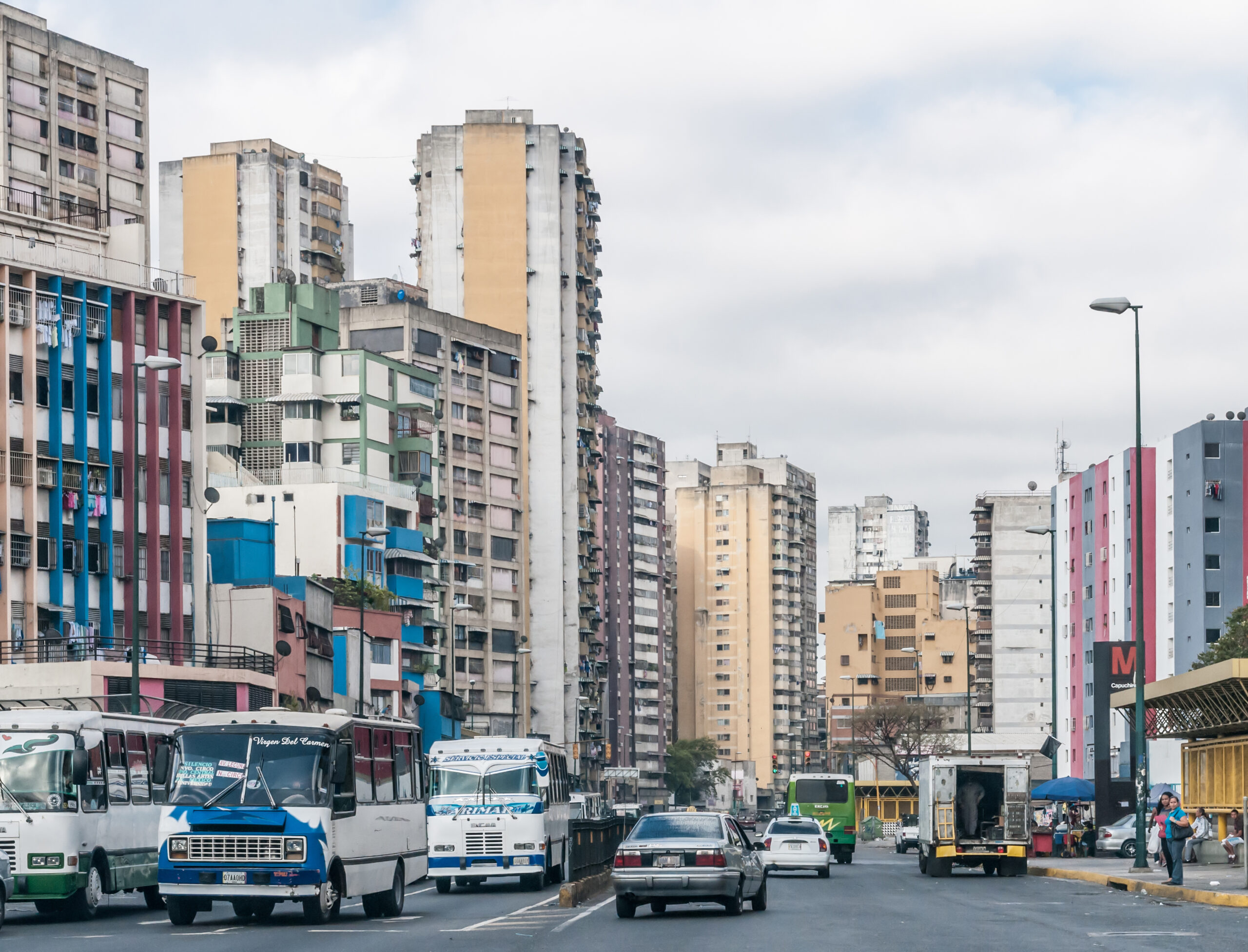
Venezuela sanctions eased: A Limited Four-Month Waiver for Humanitarian Transactions
The US. Treasury Department’s Office of Foreign Assets Control (OFAC) issued General License 60 on June 25, 2026, just one day after the disaster. The authorization runs for four months, expiring on October 23, 2026.
It specifically permits transactions related to earthquake relief efforts, including transfers through US. financial institutions and registered money transmitters acting on behalf of third-country individuals or organizations supporting recovery.
To understand why a special license is even necessary, it helps to know that the US. maintains a complex web of sanctions against Venezuela. These restrictions, built up over years of political tension, generally prohibit American citizens, banks, and companies from doing business with the Venezuelan government and many state-linked entities.
A “general license” is essentially a temporary permission slip issued by OFAC that carves out a specific exception to those broad prohibitions, letting certain activities move forward without legal risk for a defined period.
The Scale of the Disaster Near Caracas
The relief waiver was prompted by twin earthquakes that struck the Caracas and La Guaira coastal region on June 24, 2026. The seismic events caused widespread destruction in densely populated urban areas and vulnerable hillside communities.
Official tallies in the immediate aftermath confirmed at least 589 fatalities, a number that aid groups and local reports suggested would climb significantly as search-and-rescue operations continued.
Caracas sits in a seismically active zone near the boundary of the Caribbean and South American tectonic plates. The city’s geography amplifies the danger: many neighborhoods are built on steep hillsides where informal construction is common, making buildings especially vulnerable to collapse during strong shaking.
La Guaira, the historic port city on the Caribbean coast just north of the capital, faces similar risks and also contends with the potential for earthquake-triggered landslides along its mountainous terrain.
Chavista Government Pushes for Broader Relief
The administration of Nicolás Maduro has publicly acknowledged the temporary license but argues it falls far short of what is needed for a full reconstruction. Venezuelan officials, through diplomatic channels and US.-mediated talks, have continued to demand broader sanctions relief.
Their primary objective is gaining access to billions of dollars in frozen Venezuelan assets held abroad to finance rebuilding.
The term “Chavista” refers to the political movement founded by the late President Hugo Chávez and now led by Maduro. It describes a left-wing, socialist-oriented ideology that has governed Venezuela since 1999.
The frozen assets in question are typically Venezuelan state funds—such as oil revenue or central bank reserves—that have been blocked in foreign accounts under US. and allied sanctions, meaning the government cannot touch them without a specific license or a broader policy shift.
Growing Pressure in Washington to Go Further
The temporary license has not quieted a growing chorus in the United States calling for a more comprehensive easing of sanctions. In July 2026, a group of U.S. lawmakers formally asked the Trump administration to lift broader sanctions to help Venezuela respond to the earthquake devastation. Their argument centered on the moral imperative of separating humanitarian needs from political disputes.
The push from over 100 economists adds a practical dimension to this moral argument. Their concern is that narrow, time-limited waivers create uncertainty that discourages the large-scale investment and supply-chain planning needed for genuine reconstruction.
The debate in Washington therefore revolves around a central tension: whether keeping maximum economic pressure on the Maduro government is compatible with delivering effective disaster relief to ordinary Venezuelans.
What the License Means for Foreign Aid Groups and Investors
For international non-governmental organizations and foreign expatriates looking to send support, General License 60 provides a clear, if temporary, legal pathway. Money transmitters and banks can now process relief-related transfers without fear of violating US. secondary sanctions, provided the transactions are strictly humanitarian.
This clarity is crucial for the Venezuelan diaspora, including many in the United States, who are a vital source of remittances and emergency cash for families affected by the quakes.
“Secondary sanctions” is an important concept here. It means the US. can penalize foreign companies or individuals—even those with no direct American connection—if they engage in certain transactions with sanctioned Venezuelan entities.
By explicitly authorizing relief-related transfers, the license removes that risk for banks and money transmitters in third countries, which might otherwise refuse to handle any Venezuela-linked funds out of caution.
The Road Ahead: Reconstruction and Diplomacy
The four-month clock on General License 60 is ticking, expiring on October 23, 2026. The immediate priority is clearing rubble, sheltering the displaced, and preventing disease outbreaks.
The temporary sanctions relief is designed to facilitate this acute phase. But the much larger question of how to finance the long-term reconstruction of Caracas and La Guaira remains unanswered.
What to watch next is whether the US. extends the license beyond October, expands its scope, or uses it as a starting point for broader negotiations. Another open question is how effectively aid groups can scale up operations inside Venezuela given the logistical hurdles of damaged infrastructure and the government’s own capacity to coordinate relief.
The international community will also be watching whether the disaster creates a new diplomatic opening between Washington and Caracas, or whether the existing political stalemate reasserts itself once the emergency phase passes.
Frequently Asked Questions
What does the temporary easing of Venezuela sanctions actually allow?
General License 60 authorizes transactions related to earthquake relief, including money transfers through U.S. banks and registered money transmitters for humanitarian aid. It does not unblock frozen Venezuelan government assets or lift other sanctions.
How long will the Venezuela sanctions be eased for earthquake relief?
The license is a temporary, four-month waiver effective from June 25, 2026, until October 23, 2026. It covers only transactions specifically related to earthquake relief and reconstruction efforts.
Why is the Venezuelan government calling the sanctions relief insufficient?
The Chavista government argues that full reconstruction will take years and cost billions of dollars. They want access to frozen Venezuelan assets held abroad, which the temporary license does not provide, to finance long-term rebuilding.
Sources: U.S. Treasury's General License 60.
This article was produced by The Rio Times’ automated newsroom system. How we use AI · Report an error
In depth
Read More from The Rio Times