YPF LNG Contracts Are Close to Signature, and a US$51 Billion Project Depends on Them
ARGENTINA · ENERGY
Key Facts
- —The company YPF, Argentina’s state-controlled oil and gas producer.
- —The project Argentina LNG, about US$51bn, to chill gas from Patagonia and ship it to Asia and Europe.
- —The obstacle A plant like this needs buyers signed up for years before construction starts.
- —Where it stands Two or three contracts are in negotiation. None has been announced as signed.
- —The deadline The company wants them closed before a final investment decision in November.
- —The catch The market opening is the Gulf disruption, but first gas would not flow until 2031.
Nobody builds a liquefaction plant on hope. The buyers have to sign before the concrete is poured, and in Argentina they have not yet.
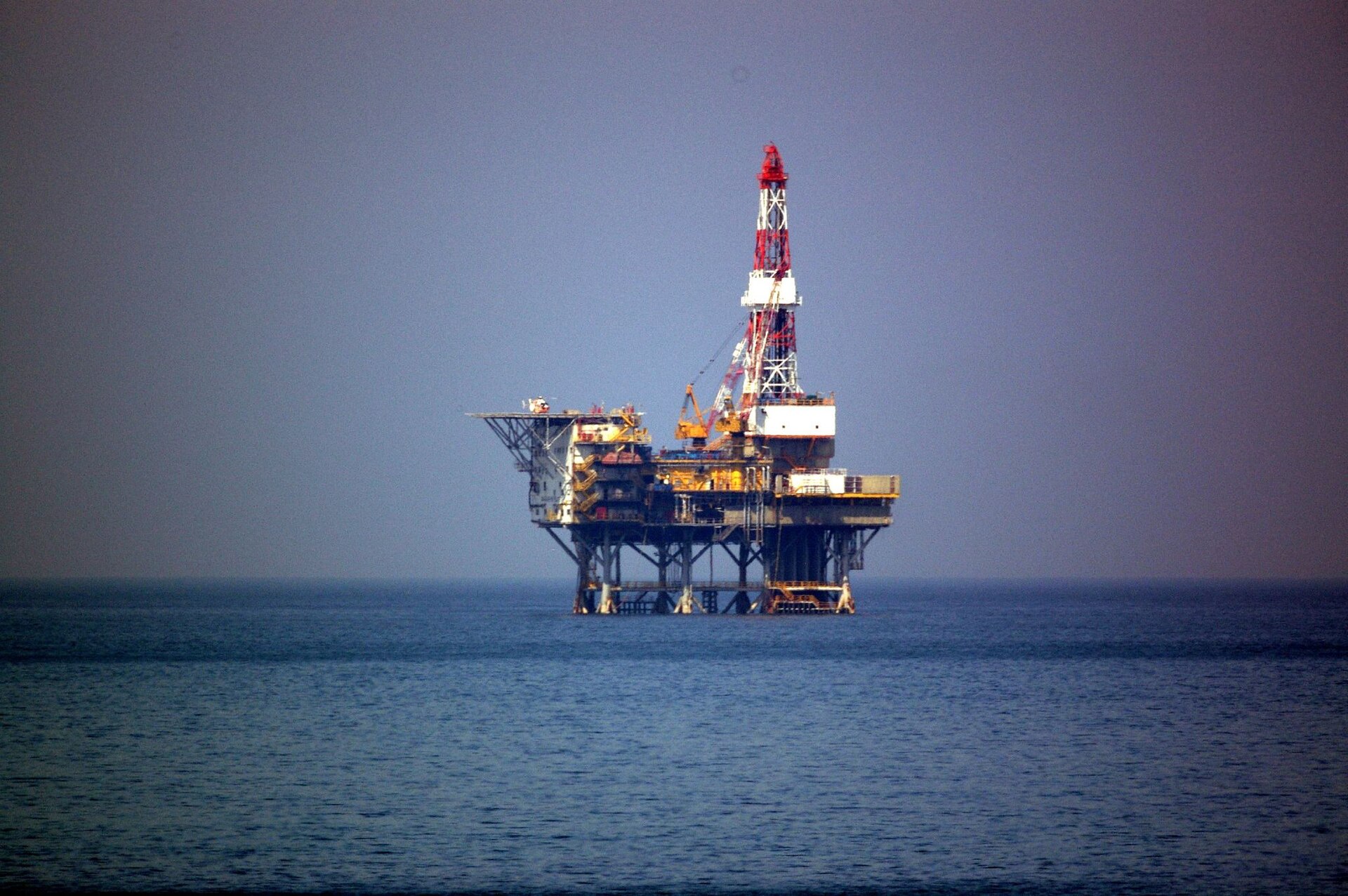
Argentina sits on a vast shale gas deposit, and the YPF LNG contracts are how it hopes to sell some. The gas is in Patagonia and the buyers are in Asia.
Nothing currently connects the two. Closing that gap is a US$51bn undertaking.
On Monday the company’s chief executive said in Bangkok that the first sales contracts are close. Close is doing a great deal of work in that sentence.
Why Contracts Come Before Concrete
A liquefaction plant is not built and then marketed. It is marketed and then built.
Banks lend against signed agreements running ten or twenty years. Nobody finances an asset this size hoping to find customers afterwards.
Horacio Marín described two or three contracts under discussion, each for between 0.5 and 1.5 million tonnes a year. He wants them closed before the final investment decision expected in November 2026.
No buyer has been named. One Argentine outlet headlined that the project has landed its first buyers, and its own text says only that deals are close.
What Is Being Built
YPF holds 36% of the upstream, with Italy’s Eni and Abu Dhabi’s XRG each at 32%. The investment is put at around US$51bn.
Two floating liquefaction units would sit in the Golfo San Matías, off Río Negro province. A pipeline of 527 kilometres would carry gas from the Neuquén basin to the coast.
Capacity starts at 12 million tonnes a year and is designed to scale to 18. Exports are projected at around US$10bn a year from 2031.
That would make it the largest export project in Argentine history. Financing is described as 70% international credit and 30% partner contributions.
Live Company IntelligenceYPF Sociedad Anonima — the full investor dossier
Wall Street view
Valuation & profitability
Price & risk
$22.8252-wk high
$57.49
Revenue trend · 6y
Ownership
Dividend
Two Things Not to Confuse
Eni and XRG are equity partners, and equity partners take a share of the output by right. Their volumes are not third-party sales.
There is also a confirmed deal that belongs to a different project entirely. A supply agreement worth about US$7bn with a German buyer sits with Southern Energy, not with Argentina LNG.
Folding that contract into this story is the easiest available error. It has already happened in several accounts.
The Window and Its Timing Problem
Marín’s pitch rests on the disruption in the Gulf. Flows through the Strait of Hormuz are running at roughly a third of normal levels.
Asian buyers who relied on Qatari cargoes now have an obvious reason to diversify. Argentina offers supply from outside the region altogether.
That is a real advantage and a temporary one. A project whose first cargo sails around 2031 cannot be sold on a 2026 disruption.
What the disruption does is make buyers willing to sign long contracts now. The YPF LNG contracts need exactly that before November.
The Uruguayan Block, Pointing the Other Way
A second YPF item is circulating, usually described as the company deepening its exploration offshore Uruguay. The transaction runs in the opposite direction.
Eni acquired 50% of the exploration contract for block OFF-5 and becomes the operator. YPF’s subsidiary keeps 50% as a non-operating partner.
That is YPF selling down and handing over the drilling, not stepping up. The agreement was signed on 28 August and approved by Uruguay’s state oil company the next day.
The block covers about 17,000 square kilometres in water up to 4,100 metres deep, some 200 kilometres offshore. Uruguay’s entire continental shelf is now under contract across seven blocks.
Shell, QatarEnergy, Chevron and others hold the rest. Estimated recoverable potential across the shelf is put at around 30 billion barrels of oil equivalent, none of it yet proven.
More: Argentina news in English, every day from The Rio Times.
Frequently Asked Questions
Has YPF signed new LNG contracts?
No. Its chief executive said on 14 September 2026 that two or three contracts of between 0.5 and 1.5 million tonnes a year are close to signature. No buyer has been named.
What is Argentina LNG?
A venture with YPF at 36% of the upstream and Eni and Abu Dhabi’s XRG at 32% each, involving about US$51bn of investment in two floating liquefaction units off Río Negro province.
Why do the contracts matter so much?
Because lenders finance liquefaction plants against signed long-term sales agreements. Without buyers committed for years ahead, the final investment decision in November cannot proceed.
What happened in Uruguay?
Eni acquired 50% of the OFF-5 offshore block and became its operator, with YPF’s subsidiary keeping 50% as a non-operating partner. The agreement was signed on 28 August 2026.
Is this the same as the German supply deal?
No. The confirmed agreement worth about US$7bn with a German buyer belongs to Southern Energy, a separate Argentine project.
Sources: La República and Infobae of 14 September 2026, Infobae of 29 August and La Mañana of Uruguay.
This article was produced by The Rio Times’ automated newsroom system. How we use AI · Report an error
Read More from The Rio Times